
Indirect talk in K-dramas is one of the most common reasons international viewers pause a scene and think, “Why won’t they just say it?” The frustration usually isn’t about the plot. It’s about the feeling that the “simple sentence” everyone is waiting for never arrives—especially when misunderstandings keep growing.
Before we go any further, one boundary matters: it’s risky to watch a drama and conclude, “Koreans are just like this.” People in Korea communicate in many different ways. Some are blunt. Some prefer clarity. Some say things fast and directly. What dramas often highlight is not a single “Korean personality,” but a repeatable pattern that becomes more visible under pressure.
Why indirect talk feels like “avoidance” to international viewers
When viewers describe indirect talk in K-dramas as “weird” or “impossible,” they’re often reacting to one of these moments:
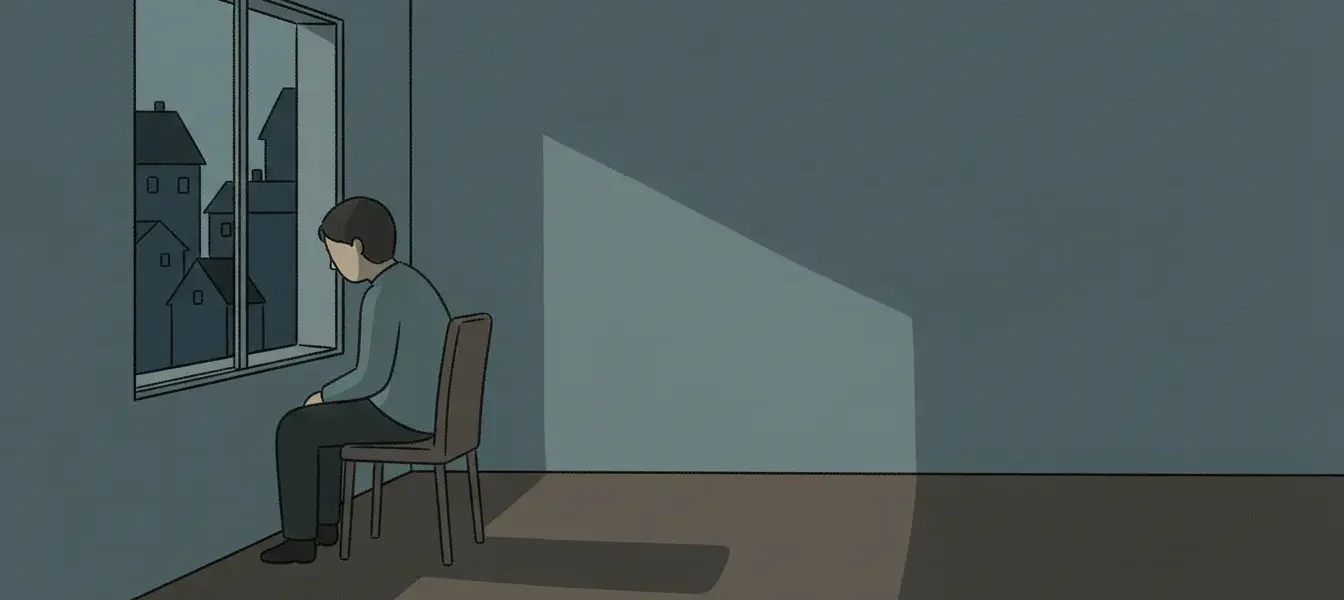
- A character is clearly upset but says, “I’m fine.”
- Someone is accused or misunderstood but refuses to explain.
- A relationship problem keeps simmering while everyone acts normal.
- Silence stretches longer than the conversation itself.
From an outside perspective, these scenes can read as dishonesty or immaturity. But in many Korean social settings, the “best” move isn’t always the most direct sentence. The social cost of saying something out loud can feel heavier than the cost of waiting—especially when the relationship itself is at stake.
Indirect talk in K-dramas isn’t one thing
A major misunderstanding happens when we treat indirect talk in K-dramas as one behavior with one motivation. In reality, similar-looking silence can come from very different places.
Type 1: Quiet care (when words would feel intrusive)
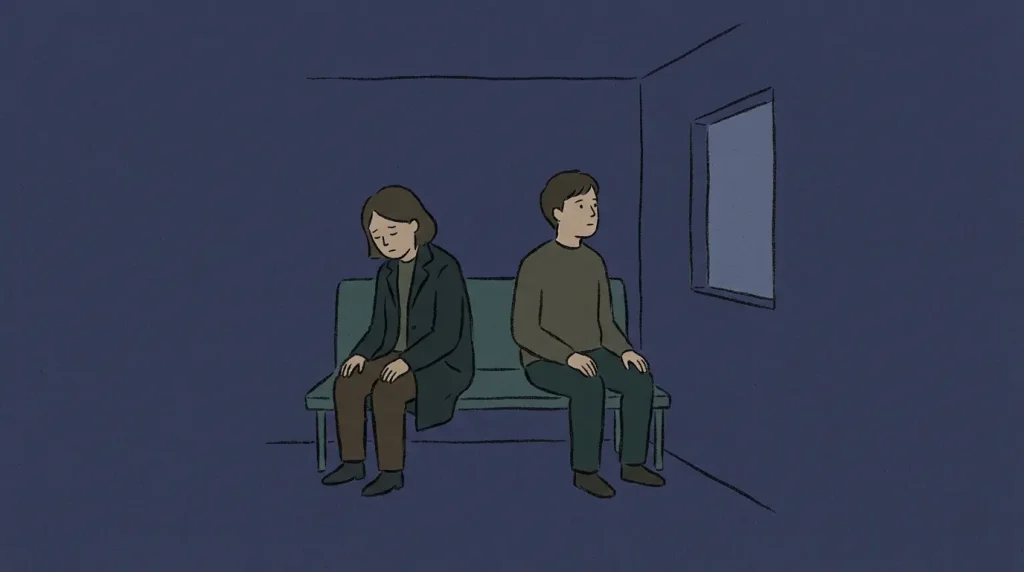
There are situations where not speaking is not neglect. It’s presence.
If someone you care about looks exhausted or overwhelmed, you might feel that advice or motivational lines would only add pressure. In those moments, sitting nearby, listening, and letting them vent can feel more supportive than “fixing” them with words.
To some viewers, that can look like emotional distance. To others, it clicks as a different kind of closeness: “I’m here, and I won’t force you to perform a response.” This is one of the most gentle forms of indirect talk in K-dramas—because the silence is doing the emotional work.
Type 2: Risk management (when directness can backfire)
Now the harder version: conflict.
When indirect talk in K-dramas shows up during accusations, tension, or workplace politics, it often isn’t about kindness. It’s about avoiding damage. A direct sentence can escalate a situation fast:
- It can trigger a public confrontation.
- It can create a “who’s right” battle that nobody can step away from.
- It can force the other person to lose face.
- It can turn a misunderstanding into a permanent relationship break.
In those scenes, the character isn’t always thinking, “I’m lying.” They may be thinking, “If I say this directly, everything will collapse.”
Why the workplace makes indirect talk feel more realistic
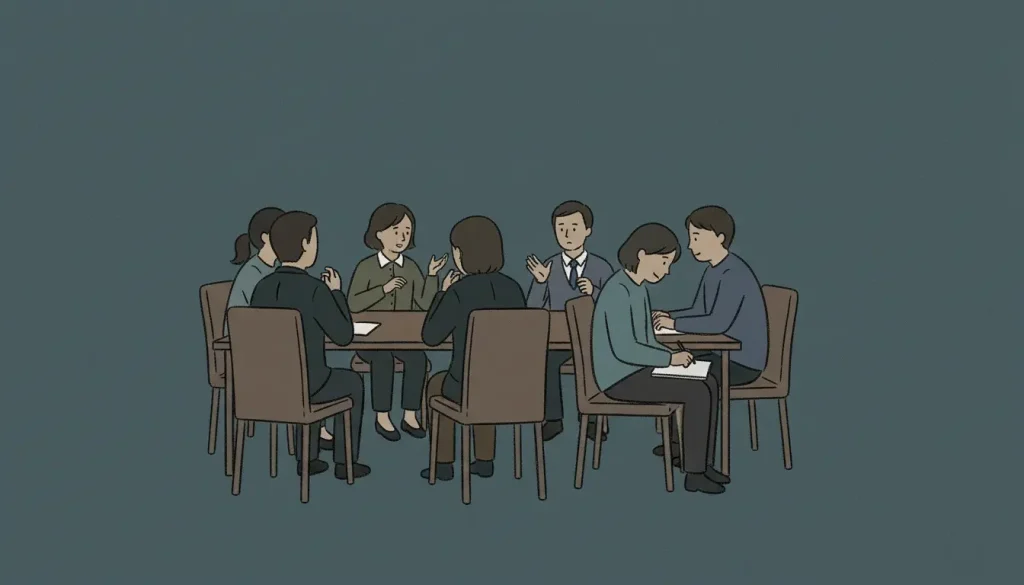
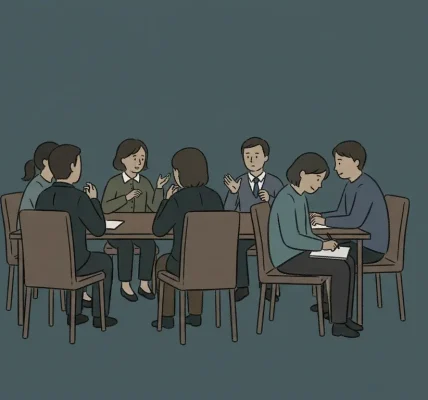
If you ask where indirect talk in K-dramas overlaps most with real life, many Koreans will point to the workplace.
Work isn’t just about tasks. It’s about evaluations, reputation, hierarchy, and the invisible cost of being “difficult.” A sentence like “I feel uncomfortable with this” can be interpreted as a complaint, a challenge, or a threat—depending on who says it and who hears it.
That’s why some people calculate timing and tone before speaking:
- Will this solve the problem, or make it bigger?
- Even if I’m right, will this hurt me later?
- Will I become “the person who causes trouble” on the team?
From the outside, it can look exhausting. From the inside, it can feel like basic survival. This is why indirect talk in K-dramas often lands most strongly in office scenes: it mirrors how power and risk shape language.
Drama vs reality: yes, it can be exaggerated
K-dramas are still dramas. They compress emotion to make it visible. That means some scenes push conflict into a sharper, more theatrical shape than daily life.
For example, in My Mister, workplace hostility can feel extremely blunt—almost too open. Real workplaces can absolutely be cruel, but blatant bullying often carries consequences in the real world. Policies, legal risk, and reputational damage matter. So while indirect talk in K-dramas can reflect real patterns, the intensity of how a group behaves may be heightened for storytelling.
This matters because it protects you from a common trap: assuming the drama is “the average Korean workplace.” It isn’t. It’s a magnified version designed to make a feeling unmistakable.
Not everyone prefers indirect talk in K-dramas—and that’s the point
Another detail worth stating clearly: many Koreans prefer direct communication. Some people feel relieved when someone simply says, “I don’t like this,” or “That hurt me,” or “I can’t do that.” Directness can feel cleaner, kinder, and more respectful—because it reduces guessing.
So the more accurate question isn’t “Why are Koreans like this?” It’s:
What kinds of situations, relationships, and risks make people hesitate to speak plainly?
That framing keeps your curiosity focused on context—not stereotypes. It also helps you understand why the same character can be indirect in one scene and surprisingly blunt in another.
Two forces behind indirect talk in K-dramas
When you zoom out, indirect talk in K-dramas often blends two different forces:
1) Consideration
Sometimes indirectness is a way of reducing pressure. It can be an attempt to avoid making someone feel cornered. It can be a way of giving the other person space to keep dignity.
2) The cost of breaking the relationship
Sometimes indirectness is driven by fear: fear of confrontation, fear of losing face, fear of permanently damaging the relationship. In workplaces, that fear can include real consequences. In families and romances, it can include emotional consequences that feel irreversible.
K-dramas make this tension visible because it creates drama—yet it also mirrors a real human pattern: people often protect the relationship before they protect the truth of the moment.
A better viewing question for indirect talk in K-dramas
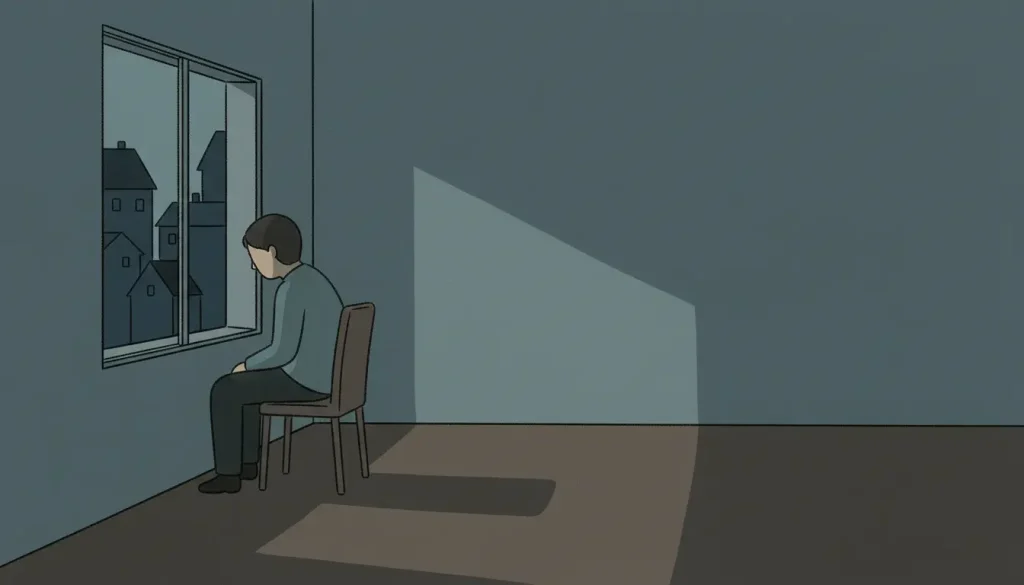
You don’t have to stop feeling frustrated. It’s normal to watch a scene and think, “Just say it already.”
But the next time you feel that, try swapping the question:
Instead of “Why won’t they speak directly?” ask,
Is this silence an act of care—or an act of fear?
That one shift changes the scene. Indirect talk in K-dramas stops looking like empty avoidance and starts looking like a choice shaped by stakes. You may still disagree with it, but you’ll be able to read it.
Where this goes next
If indirect talk in K-dramas is the surface pattern, two follow-up questions usually sit underneath it:
- Why is it so hard to say “No” in key moments?
- Why does losing the relationship feel scarier than the actual problem?
Those two themes show up everywhere—from office politics to family expectations to romance. And they explain why direct talk can feel “dangerous” even when it seems simple.