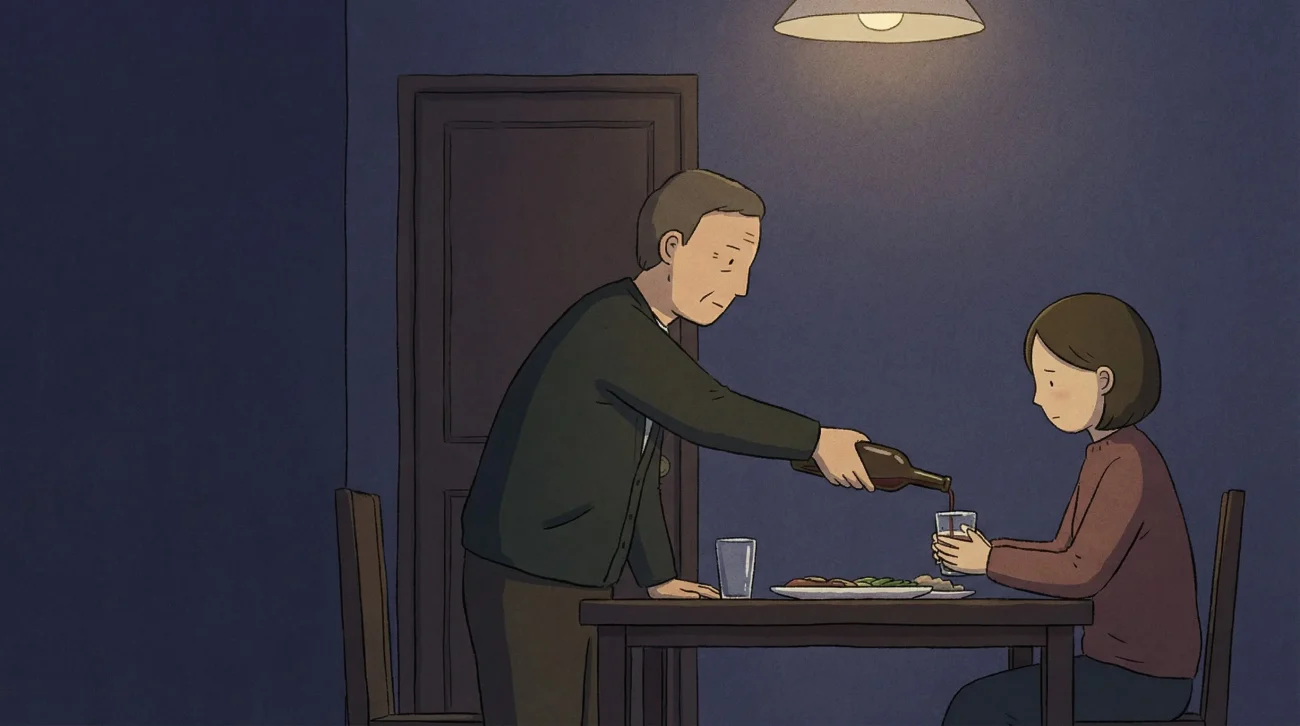
Turning Away When Drinking in Korea: Why This Scene Sticks in Your Head
If you’re watching a K-drama for the first time, this kind of moment can land in your brain like a “rule.” Someone lifts a glass, and instead of drinking normally, they turn their head—or even their shoulders—away before taking a sip. No one explains it, yet it happens often enough that it feels like something you’re supposed to notice. That’s usually when the practical questions show up: “Is this required?” “If I don’t do it, will I look rude?” “Is there a correct way to drink in front of an older person?” Because this gesture almost always appears when someone older is at the table, it can feel less like a habit and more like a hidden code.
From the inside, though, it’s usually not treated as a dramatic “moment.” Many Koreans see it as one of those very ordinary table movements that simply belongs to the flow. It doesn’t feel mysterious; it feels familiar. And that difference matters: outsiders often catch what insiders don’t even register, because insiders have been living inside the rhythm for years.
One thing helps right away: this isn’t really about alcohol. It’s about caution—how you show you’re being careful when an older person is present.
It’s Not About Alcohol. It’s About “Judo” — Drinking Manners With Older People
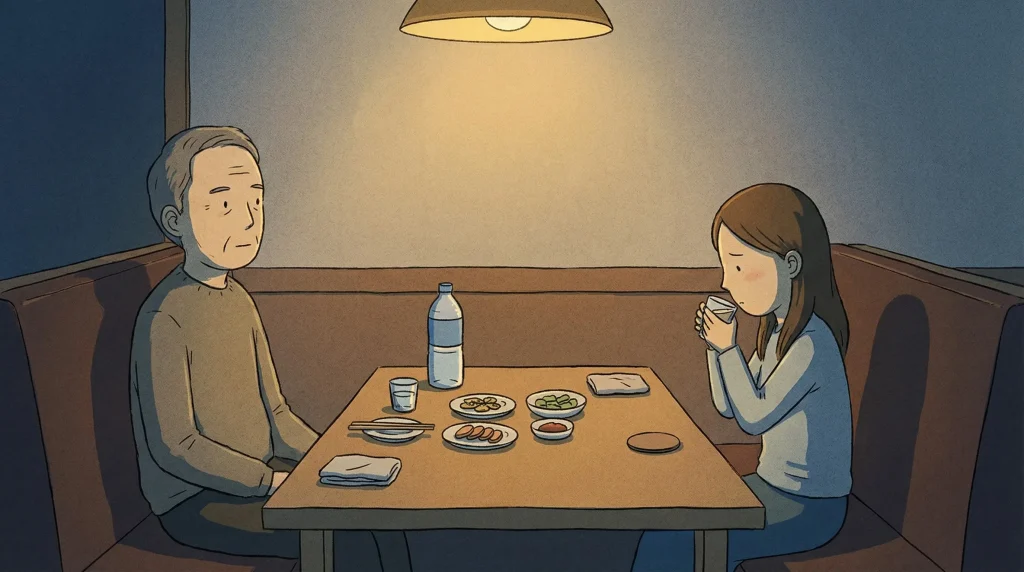
Korea has a word for this: judo (주도). It can sound formal, but the idea is simple. It means the manners and basic “dos and don’ts” that come up when you drink with older people—less like a strict law, more like the shared etiquette that keeps the table comfortable. What matters most isn’t performing a perfect gesture. What matters is whether your attitude signals, “I’m being careful here.”
That’s why turning away when drinking in Korea sits inside a bigger bundle of behaviors. It’s connected to the feeling of not drinking “straight at” an older person, of keeping your posture a little more restrained, of lowering your presence just a bit. Some people turn their whole body. Others only tilt their head. There isn’t a fixed angle, because this isn’t gymnastics. It’s a relationship signal.
Now it makes more sense to look at what usually happens at the table, step by step.
The Real Table Sequence: Pour, Receive, Wait, Then Turn
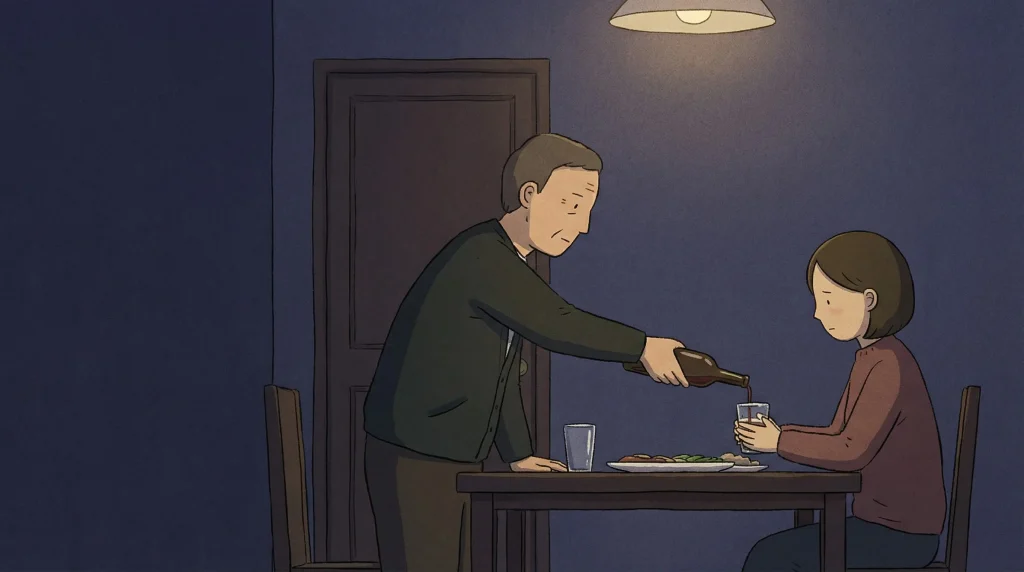
From the outside, you might only see the “turning away” part. In real life, it usually appears as part of a sequence rather than a standalone trick. When an older person pours, it’s common to lift your glass and receive it with two hands. The point isn’t the glass—it’s the posture. You’re showing care in how you receive something from someone older.
Then there’s the timing. Often, people wait until the older person takes the first sip. Only after that do they drink. That “who drinks first” detail works like a small signal of order at the table. It’s not about fear. It’s about keeping the situation smooth, especially in settings where age still shapes the tone.
After that, the turning movement happens. Some people turn clearly. Some people only angle slightly. Some people cover their mouth with their hand or partially shield the glass. These are different routes to the same destination: “I’m being careful.”
Why the angle isn’t fixed
The angle isn’t fixed because the meaning isn’t mechanical. The size of the movement changes with the age gap, the formality of the setting, the mood of the table, and the distance between people. Koreans don’t calculate degrees. They adjust the gesture until it feels “careful enough” for that moment.
What the movement tries to avoid
A common inside sense is this: you don’t want to drink in a way that feels too direct in front of an older person. So you soften the moment—lower your gaze, reduce your presence, shift your body a little. It’s less about hiding the act of drinking and more about shaping the vibe: careful, respectful, not too casual.
At this point, the biggest question tends to be the most practical one: “So if a first-time traveler doesn’t do this and drinks straight ahead—does it become a problem?”
If You Don’t Do It, Does It Become a Problem?
In everyday life, first-time travelers are often treated as an exception. People usually don’t expect someone new to Korea to perform every table habit the same way. If anything, many Koreans separate “insiders who grew up with the rhythm” from “visitors who didn’t.” And if a visitor tries to understand the culture or copy the manners—two hands, a small turn—there’s often a quiet appreciation behind it: “They cared enough to learn.”
Could it feel different depending on the person and the setting? Sure. But the bigger point is that this etiquette usually isn’t enforced like a test. It’s closer to table rhythm. Which means the main risk isn’t “doing it wrong.” The main risk is making the moment stop—turning one sip into a big performance.
The safest attitude is usually “small and calm”
If the table feels relaxed, the safest approach is not to over-prove anything. A small angle, a calm motion, and moving on naturally often work better than a dramatic turn. Awkwardness usually grows when the flow breaks—when the gesture becomes bigger than the conversation.
One last piece completes the picture: why it looks louder in dramas than it does in real restaurants.
Why K-Dramas Make It Look Bigger Than Real Life
Dramas have to compress social information. They need to show who is older, who is nervous, how formal the situation is—fast, without long explanations. That’s why nonverbal signals get turned up. A two-hand pour, a half-second pause, a turned head—these can function like “silent subtitles” for relationships. They tell you the temperature of the scene instantly.
Real life is messier. People are multitasking. They’re talking, laughing, serving food, checking phones, carrying bags. So the same manners often appear smaller, quicker, and less consistent than they do on screen. That’s why a drama scene can feel like a strict code, while a real table can feel surprisingly flexible.
One sentence to remember
When drinking with older people, there’s a sense of judo (drinking manners), and turning away—along with receiving with two hands—is one quiet way of showing care in that kind of setting.
