Can I Call You Oppa? When It’s Natural in Korea (and When It’s Not)
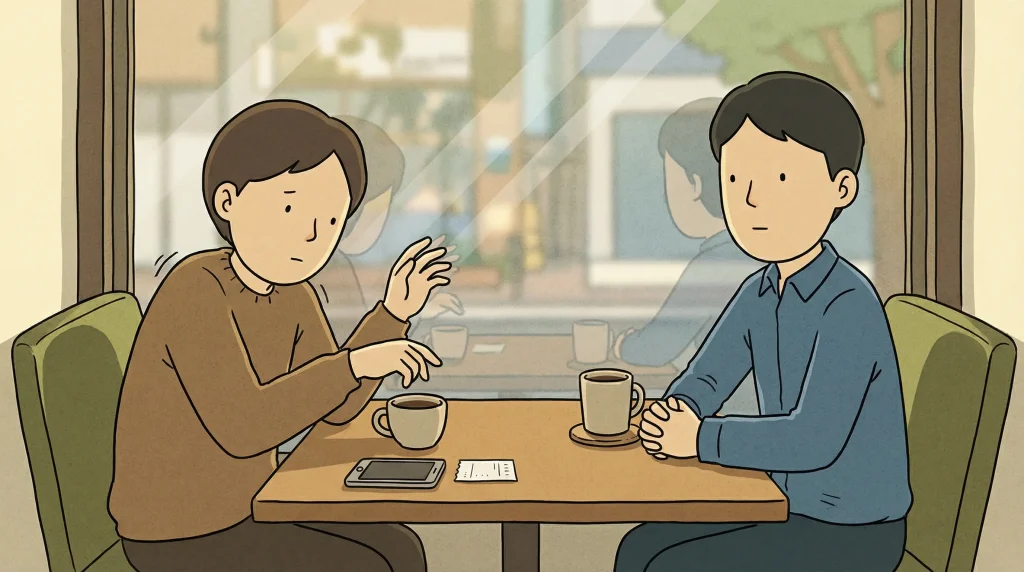
Can I call you oppa? If you learned Korean through K-dramas, it can feel like the answer is “yes, immediately.” Two people meet, the mood warms up, and “oppa” appears as if it was waiting in the air. For many English-speaking viewers, that moment is confusing for one simple reason: it sounds like a family word, yet it’s used outside the family, and it can replace a name in a way that feels fast.
In real adult life, “oppa” often follows a different logic. It’s not only about age. It’s about whether the relationship has earned a certain level of personal access. Koreans may know someone is older and still avoid using a sibling-style title until the relationship stops feeling “new” and starts feeling “shared.”
There is also a practical reality that surprises many foreigners: a lot of Korean men do not strongly resist being called “oppa,” especially when the speaker is a foreigner and the mood is already friendly. In those cases, “oppa” can be received as a charming icebreaker rather than a problem. The risk usually isn’t the word itself. The risk is using it in a setting where the relationship is still officially neutral, or where public formality matters more than private warmth.
This post answers the search question directly, but with Korean timing in mind: what “permission” looks like, the safest default, and the biggest exception that changes everything.
Why “Oppa” Is Not Just an Age Rule
Foreign viewers often assume a clean formula:
Older man + younger woman = “oppa.”
Korean social timing is messier than that. “Oppa” does refer to an older male (from a female speaker), but in daily life it also communicates a relationship choice: “I’m placing you in my closer lane.” That lane can include more relaxed speech, more casual warmth, and more personal familiarity.
That is why Koreans sometimes treat titles as relationship labels, not just identity labels. The same person can be older than you and still not be called “oppa” if the relationship is still cautious, still untested, or still defined by a formal frame.
From the outside, this can look inconsistent. From the inside, it’s often about protecting boundaries without making a speech about boundaries.
The Biggest Exception: Workplace “Oppa” Can Sound Unprofessional
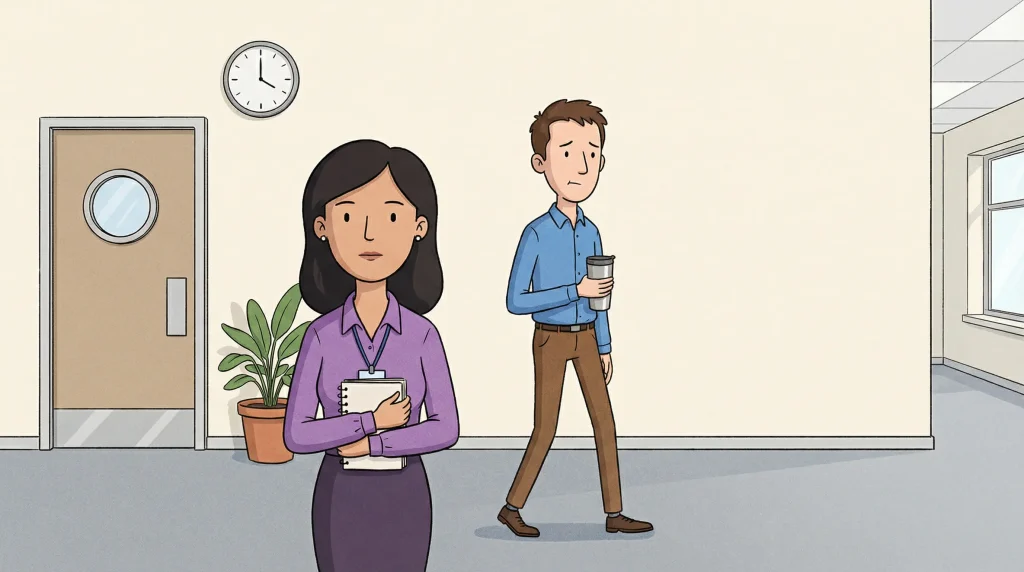
If you remember only one thing, remember this: context can override closeness.
K-dramas focus on romance, fate-like friendships, and emotionally charged scenes. Real adult life has more mixed settings: offices, projects, introductions through professional networks, and situations where other people are watching and silently interpreting the relationship.
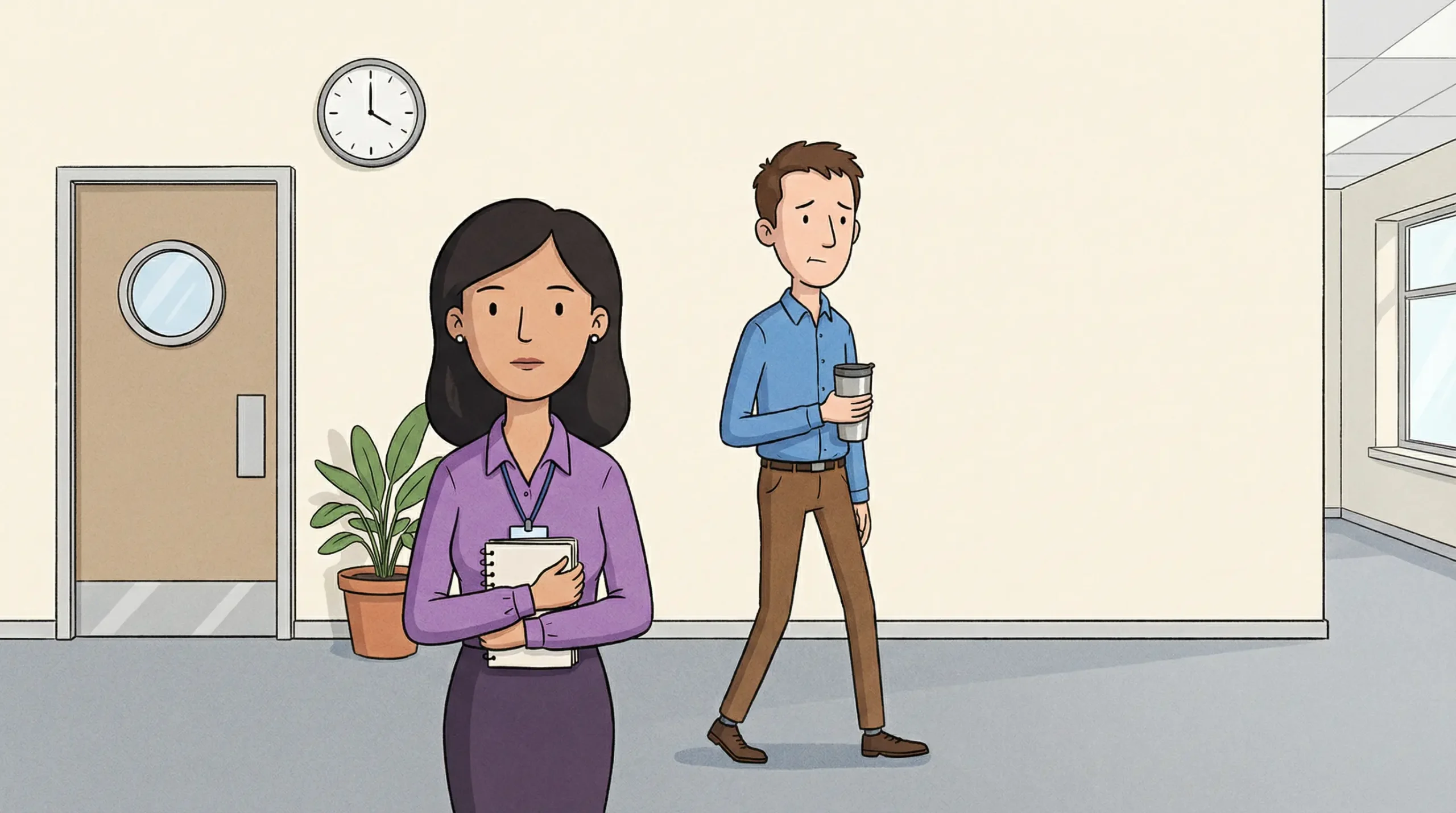
In workplaces, “oppa” can feel like it drags the relationship into a private zone inside a public system. Even if two coworkers are friendly, the office frame can make sibling-style titles feel too personal, too informal, or too loaded. This is not because Koreans hate closeness. It’s because professional settings often require the relationship to stay flexible, role-based, and socially safe in front of others.
That’s why many adults use a neutral default at work for a long time, even when they laugh together and get along well.
The Safest Default: Name + -ssi Before “Oppa”
When foreigners ask, “Can I call you oppa?” they usually want a risk-free rule they can follow without reading subtle signals perfectly.
The safest default is simple:
Use name + -ssi first.
Let the vibe soften.
Switch only after the relationship clearly feels personal.
“Name + -ssi” is not cold. It’s a stable middle lane. It shows respect without forcing intimacy. It also gives the other person room to decide the pace without anyone losing face.
In Korean social life, saving face matters because direct rejection can feel sharp. A neutral form helps both sides avoid awkwardness while the relationship is still forming.
7 Rules Koreans Use (Often Without Saying Them Out Loud)
Below are seven practical rules that match how many Koreans actually process “oppa” timing. These are not absolute laws. They are common patterns that reduce social risk.
1) “Oppa” is easiest in private, not in public roles
If you met through a hobby group, a friend’s introduction, or a casual social setting, “oppa” can become natural quickly once the mood is friendly.
If you met through work, a formal project, or a situation with clear hierarchy, “oppa” is more likely to feel off-limits, even if the person is kind.
2) Icebreaking matters more than the calendar
Foreigners often ask for a time number: “After how many days?”
Korean timing often asks a different question: “Has the stiffness melted yet?”
Once the conversation is flowing, laughter is real, and silence doesn’t feel tense, the relationship is already in a different stage.
3) Shared moments beat shared numbers
In practice, “oppa” tends to appear after shared experiences, not after age discovery.
A single moment can change the relationship faster than ten polite meetings. This is why dramas can look “fast” while still feeling emotionally believable: they compress multiple small steps into one intense shared moment.
4) Meals and drinks are common closeness triggers
Koreans often become close through rituals that create a shared atmosphere. A meal can become a routine. A drink can shift the conversational rhythm from careful to personal. It’s not about alcohol itself. It’s about the way the mood becomes less performative.
There is a well-known intuition in Korea: eating together repeatedly makes people feel like they share a small daily life. That sense of shared rhythm can invite a title like “oppa” because the relationship already feels real.
5) “Oppa” is often accepted more easily when the speaker is foreign
Many Koreans interpret a foreigner using Korean titles as effort and friendliness, not as a strict social claim. In those moments, the title can function as a bridge.
But this works best when the conversation is already warm. If the relationship is still stiff, the same word can feel like a jump ahead.
6) If you want maximum safety, wait for a “comfort signal”
A comfort signal doesn’t always sound like “Call me oppa.” It can be smaller:
They speak more casually.
They tease lightly.
They invite you again without formal distance.
They react warmly when you try Korean phrases.
In many adult relationships, the safest path is:
Name + -ssi → comfort signal → “oppa.”
7) Remember that other titles can be more sensitive than “oppa”
It’s tempting to generalize: “If oppa is okay, then all sibling titles are the same.”
In reality, same-gender titles can carry different emotional weight because social dynamics can feel more competitive or status-aware in some groups. Some Koreans describe men’s groups as quickly testing “where we stand,” while women’s groups can feel like a longer period of careful reading and subtle boundary-setting. These are not universal truths, but they explain why “timing” can feel more delicate when the relationship is not romantic and the social lane is less clear.
So if you’re reading this as a general guide, treat “oppa” as the easiest example, not as a perfect map for every title.
What If You Use “Oppa” Too Soon? A Low-Drama Reset
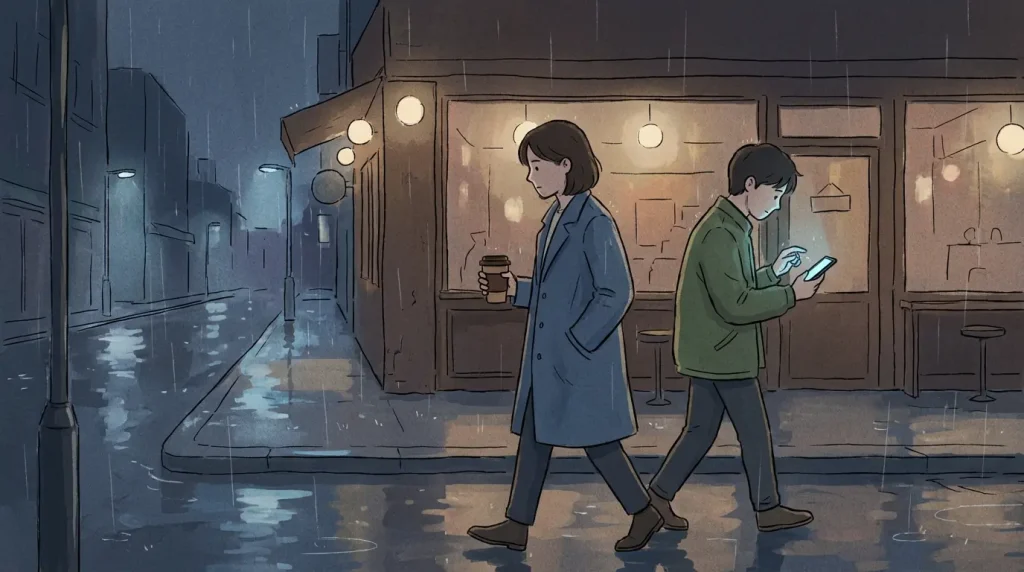
Many foreigners fear that one wrong word will permanently ruin the relationship. In most casual situations, that’s not how it goes. Awkwardness usually fades if you reset smoothly.
The simplest reset is to return to the neutral lane without making it a big event:
Use their name again.
Use name + -ssi if the setting is formal.
Let the conversation continue normally.
In Korean culture, over-explaining can sometimes create more embarrassment than the original mistake. A quiet correction often works better than a long apology speech, especially if the other person didn’t react strongly in the first place.
Why Dramas Make It Look Faster Than Reality
Dramas rarely show the slow accumulation: the repeated meals, the small messages, the awkward pauses that gradually become comfortable. Instead, one scene stands in for many invisible steps.
So when a character suddenly says “oppa,” it often functions like a storytelling marker: the distance changed. The drama isn’t always claiming that this is the exact real-world timing. It is showing the emotional conclusion of a longer process.
Once you watch with that lens, “oppa” stops looking like a mysterious Korean rule and starts looking like a closeness signal that dramas simply speed up.
The Real Answer to “Can I Call You Oppa?”
Can I call you oppa? In many casual, friendly situations, yes—especially once the conversation is warm and you’ve clearly moved beyond first-meeting stiffness. In Korea, “oppa” is often less about age math and more about relationship permission.
The safest summary is simple. Outside the workplace, if you’ve already broken the ice, shared a relaxed moment, and confirmed the age difference, “oppa” can feel natural faster than foreigners expect. Inside workplace frames, the same word can sound too private and therefore inappropriate. And because
foreigners are often given a little extra flexibility, the most important skill is not perfect rule-following. It’s reading whether the relationship feels personal yet, and choosing the title that matches that stage rather than rushing the label ahead of the bond.
