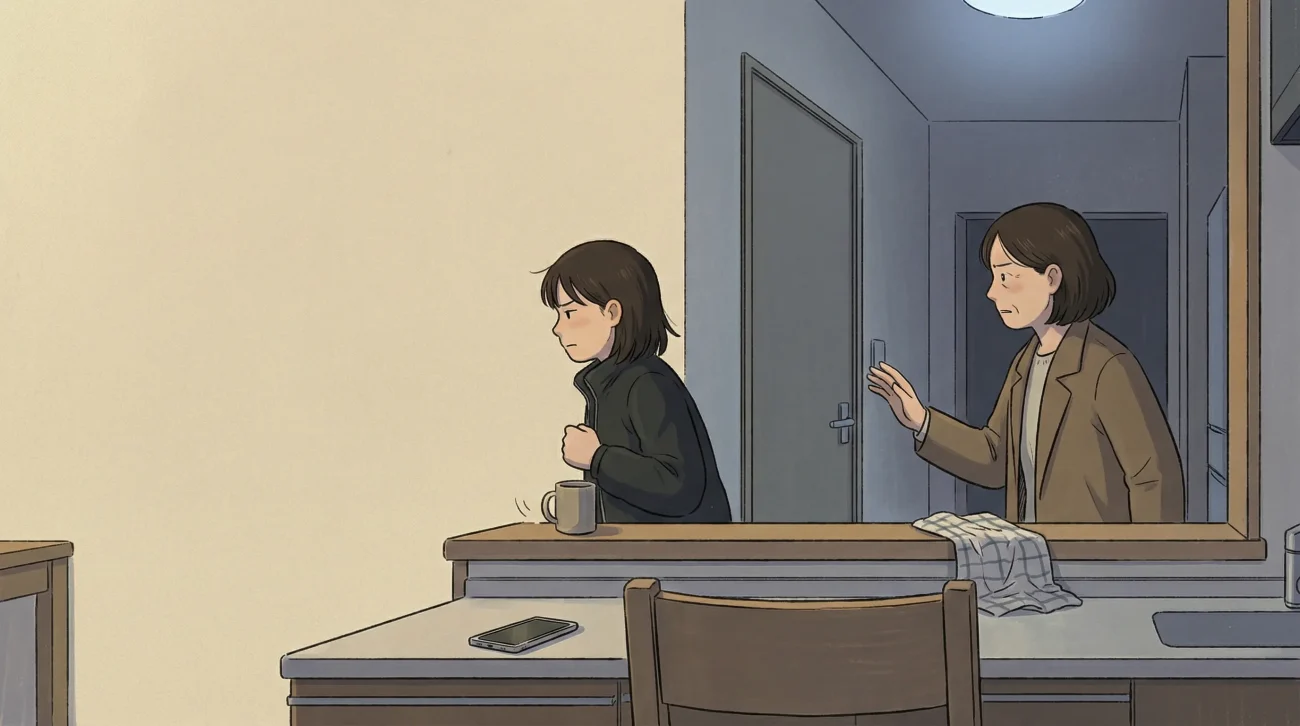
Some scenes don’t feel loud, but they still make you pause. A quick palm to someone’s back. A sigh that sounds more tired than angry. A moment that looks physical, yet the room doesn’t erupt—everyone just… moves on. If you’re trying to pin down Korean back smack meaning, that strange mismatch is exactly why.
This isn’t a neat moral verdict. It’s a close look at how a single gesture can behave like a “relationship signal” in one context and like scolding in another—and why the same motion can feel funny to insiders and alarming to first-time viewers.
Korean back smack meaning in adult relationships
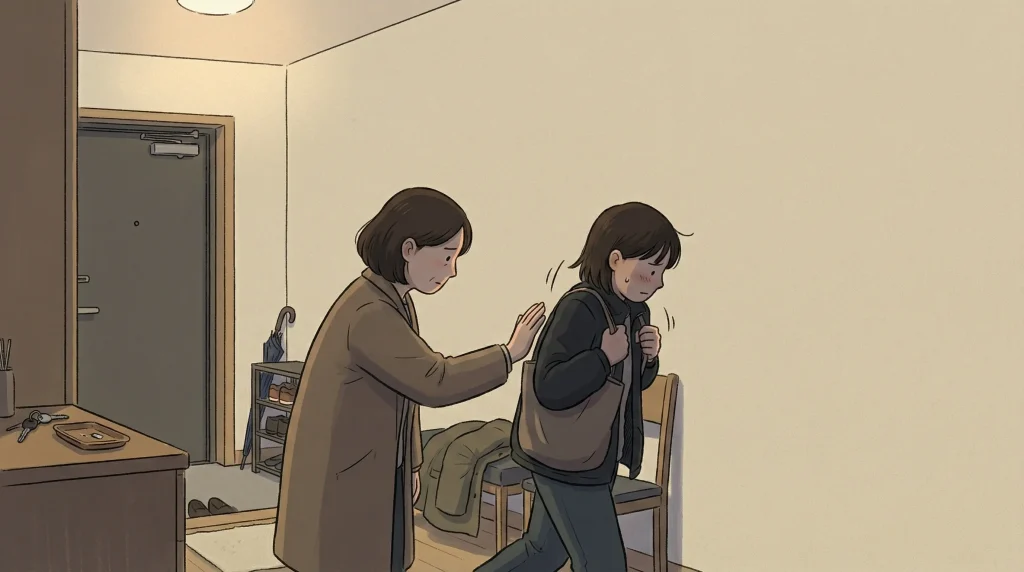
In Korean, people casually say “deungjjak” (등짝) to refer to a smack on the back—often the kind that looks dramatic for half a second and then disappears into the flow of the day. The key is that the word itself doesn’t tell you the meaning. The relationship does.
When it happens between a parent and an adult child, or between close friends, it can act less like punishment and more like a quick signal: stop there, wake up, don’t push it further. It’s body language doing what words sometimes fail to do—cutting the emotional momentum before it turns into a bigger scene.
The moment that ends in laughter
First-time viewers often freeze the instant a hand makes contact. If it were a small child being disciplined, they might at least have a familiar framework, even if they dislike it. But when the person being smacked is clearly an adult, the mind stalls: why is this even happening?
What makes it stranger is the atmosphere right after. The voice isn’t always furious. It can come with a long sigh, a weary “I can’t believe you,” or a complaining tone that feels closer to venting than threatening. People nearby don’t necessarily tense up. Sometimes they laugh, because the scene resolves like a sitcom beat: the gesture lands, the tension pops, and everyone moves on. That ending—“it’s over, not escalating”—is what confuses outsiders the most.
Why first-time viewers misread it
Most first-time viewers judge by a simple rule: any physical force is violence. Even a light smack, under that rule, feels like crossing a bright line. So the gesture doesn’t read as “family shorthand.” It reads as “a line being violated.”
Inside Korea, there’s more room—especially in close relationships—for physical gestures to be read as familiar signals rather than literal harm. That doesn’t mean it’s automatically harmless. It means the interpretive default is different. The misunderstanding isn’t mainly about “who is right.” It’s about different cultural thresholds for physical contact and different expectations about what closeness permits.
One side sees a hit. The other side sees a grumpy punctuation mark.
When it works as a relationship signal
In close relationships, the back smack can function as a quick “cut.” An adult child does something annoying—pushes a joke too far, keeps teasing, makes a careless mistake—and instead of launching into a long lecture, the parent uses a short gesture that says, “Enough. I’m not turning this into a whole speech.”
That’s why it can end in laughter. The gesture isn’t necessarily announcing a punishment. It’s interrupting a rhythm. It signals a boundary without demanding a formal courtroom-style explanation.
This is also why the same gesture can look harsh on paper and feel smaller in the room. The room is reading the relationship history, the typical tone, and the quick return to normal.
Sighs and rough words: why the meaning often stays the same
People often expect words to change the meaning, especially if the words sound rough when translated. But in these scenes, the roughness can be part of the same venting rhythm. A sigh, a grumble, a sharp-sounding phrase—sometimes it doesn’t “upgrade” the moment into something new. It just leaks out, like steam from a kettle that was already boiling.
That’s why you’ll see the combination that feels contradictory to first-time viewers: a tired voice, a complaining tone, and a physical tap in the same second. The words don’t always redefine the action. They travel alongside it, and the meaning stays anchored in the relationship: familiar annoyance, not necessarily escalating harm.
Of course, the more abrasive the language, the more a first-time viewer’s alarm goes up. Even when insiders call it “just complaining,” the outer framing can still feel unsafe to watch.
Strength and repetition: when the signal changes face
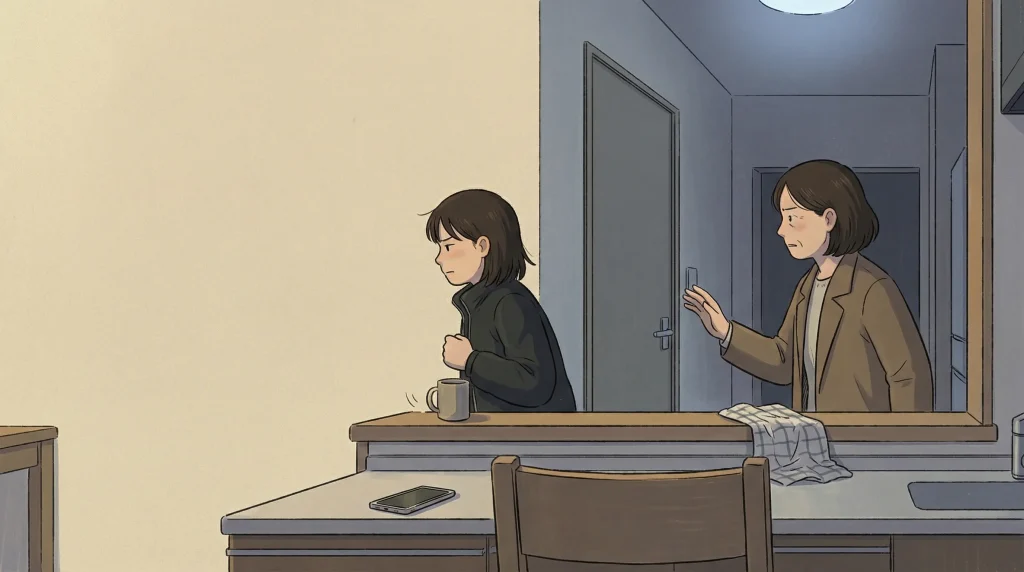
Even within close relationships, strength and repetition change the temperature fast. When a parent is genuinely angry or fed up, the smack can become louder—sharp enough to make a clear “slap” sound—and it can happen more than once. That’s when the “relationship signal” starts to look like classic scolding, even to people who grew up around the gesture.
This is why treating “the back smack” as a single cultural habit misses the most important reality: it has more than one face. A quick, one-time tap that ends the scene is one thing. A loud, repeated smack driven by frustration is another. The difference isn’t only moral; it’s practical. The scene is going somewhere different.
Why dramas love the back-smack shorthand
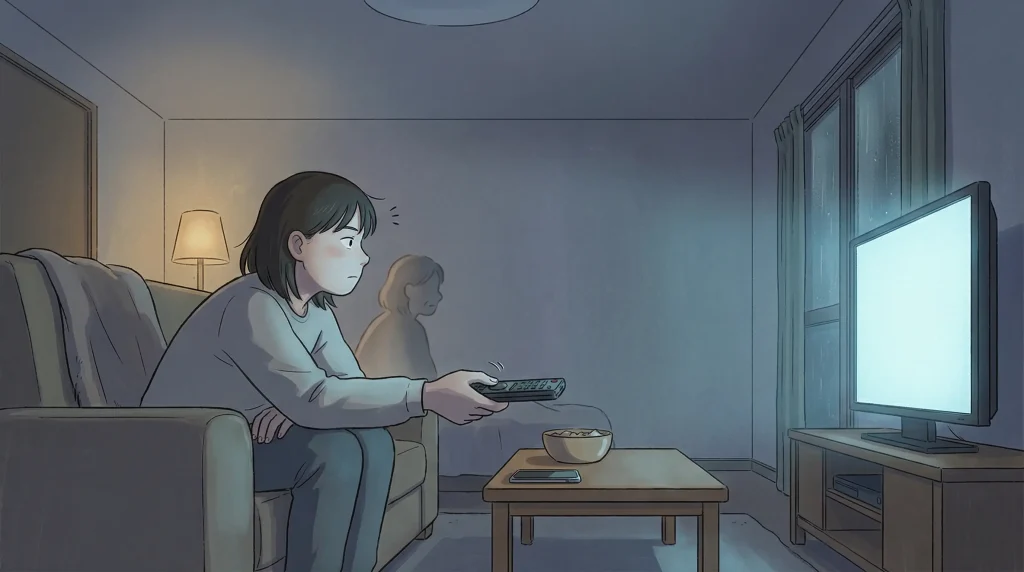
In dramas, a back smack is useful because it does two jobs at once. It shows closeness—people who aren’t close usually don’t touch like that—and it shows hierarchy or authority without needing a long explanation. It’s fast, readable storytelling.
That’s also why it appears so often. It’s an easy, “unguarded” target. You can land the gesture quickly, trigger a big reaction, and move the plot along. Over time, it becomes a recognizable trope—so recognizable that people joke about it, like saying someone is “going to get a back smack” after they mess up.
Dramas don’t always show the average. They show the shortcut. And shortcuts, by design, look louder than real life.
Why it hasn’t vanished, but shifted
Many people inside Korea will tell you the same thing: it’s still around, but it’s fading in one direction and lingering in another. Toward young children, physical discipline is far less acceptable than it used to be. Toward older kids and adult children, a “leftover” version survives more often—as gesture, as venting, as familiar shorthand.
That’s why the same society can contain multiple readings at once. One household treats even a light tap as unacceptable. Another treats it as a family habit that ends quickly and doesn’t escalate. The shift hasn’t created one clean standard. It has created a mixed landscape, especially across generations.
What’s safest to assume as a bystander
If you’re a bystander watching a parent and an adult child, you’ll often see the pattern you described: the adult child has done something annoying or foolish, the parent reacts, and the whole thing looks more like a grumpy scene than a dangerous one. People nearby may laugh because the moment resolves quickly.
Still, it’s smart to treat the situation with care. If the force looks excessive, if the scene keeps escalating, or if the person being hit seems genuinely threatened, you’re no longer watching “relationship shorthand.” You’re watching something else.
For understanding Korean back smack meaning, the most reliable clue isn’t the hand alone. It’s the direction of the scene afterward—whether it de-escalates into normal life, or spirals into something bigger.
