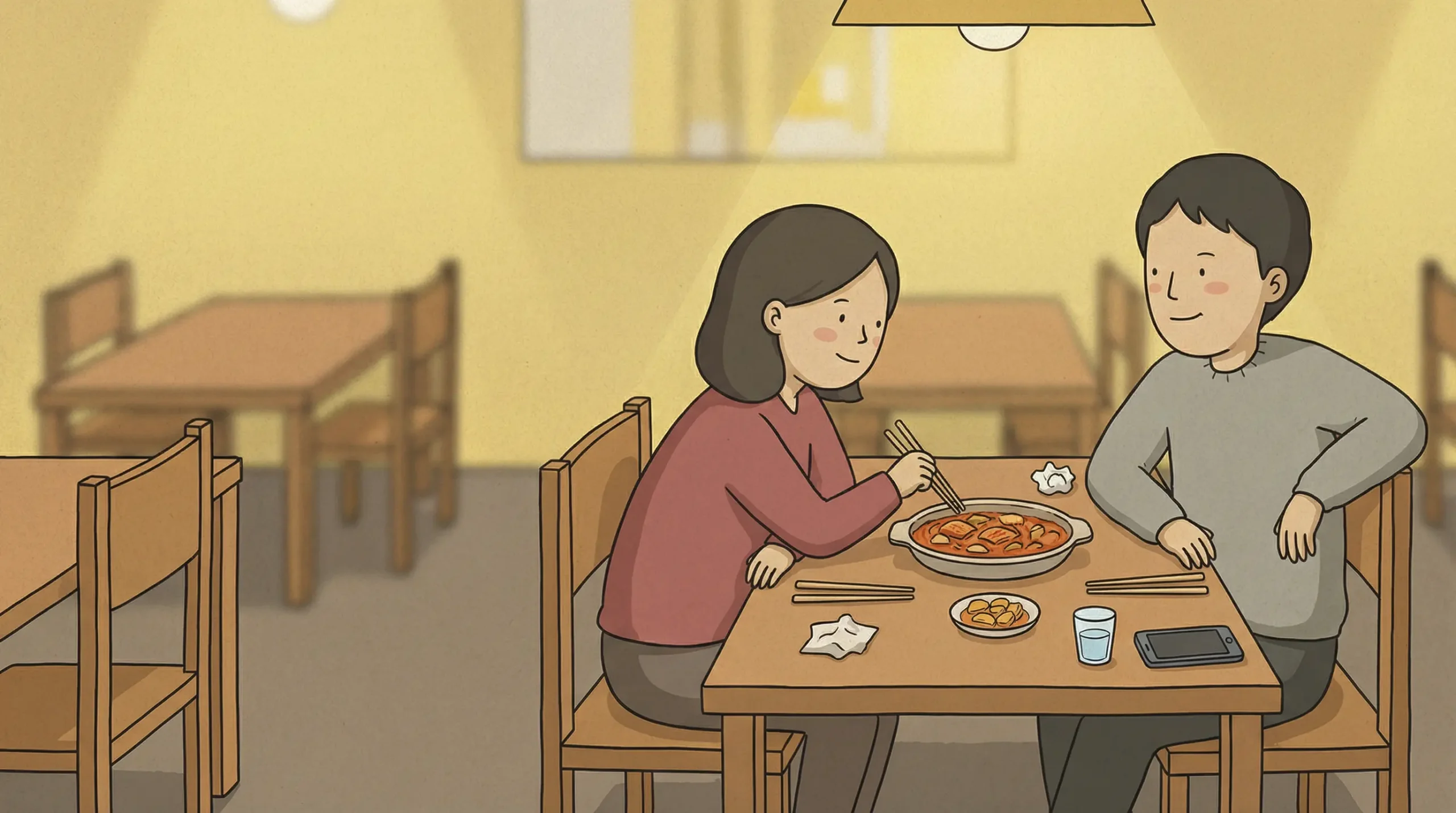
Why “Oppa/Unni/Hyung/Nuna” Often Starts Later Than K-Dramas Suggest
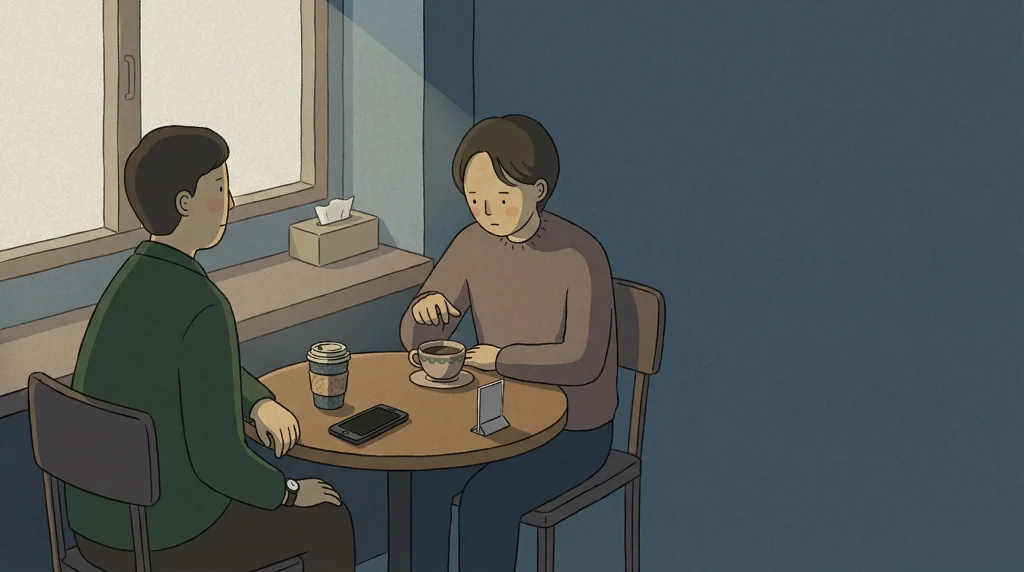
If you watch K-dramas, Korean honorifics can sound like they appear overnight. Two people meet, the mood warms up, and suddenly it’s “oppa” or “unni.” For many international viewers, that moment stands out for two reasons: it sounds like a family word, and it replaces a name.
But in real adult life, Korean honorifics often start later. Even after people learn each other’s age, many adults begin with polite language, use a name plus “-ssi,” and keep a careful distance at first. The point is not that dramas are “wrong.” The point is that dramas compress the slow part—the quiet accumulation of comfort—into one sharp scene.
This post focuses on timing. Not the dictionary meaning of the words, but when Korean honorifics actually begin, what kinds of moments invite them, and why the same words can feel natural in one scene and too fast in another.
Korean Honorifics Aren’t Just Age Information
Age matters in Korea because it helps people choose a safe way to speak. Korean has clear “levels” of speech, and choosing the wrong level can feel awkward fast. So learning someone’s age can protect the conversation from accidental disrespect.
But Korean honorifics like oppa/unni/hyung/nuna usually do more than mark who is older. They carry a relationship message: “I’m comfortable enough to place you in my closer lane.” That is why someone can know you are older and still avoid calling you hyung or nuna. They may keep the relationship neutral until it feels emotionally stable.
A practical way to hold both ideas at once is this:
Age helps people choose how careful to be.
Korean honorifics signal how close you are willing to be.
That difference is what international viewers often miss, because in English a title rarely changes the emotional boundaries of a relationship this quickly.
Why this can feel “high stakes” to Koreans
Once a Korean honorific enters the relationship, small things can shift. Not because anyone announced new rules, but because the word itself implies a warmer mode: more teasing, more familiarity, more casual tone, more personal checking-in. It quietly suggests that the relationship is no longer “just polite.”
That is why the timing matters so much.
Why Knowing Age Doesn’t Automatically Create “Oppa”
In adult interactions, Korean honorifics can feel like a commitment—even if nobody says it out loud. Calling someone oppa or unni is not just acknowledging age. It can hint at closeness, familiarity, and a more personal kind of connection.
This is where a lot of foreign confusion begins. Many viewers assume a simple formula:
Age revealed → honorific appears.
In real life, the formula often looks more like this:
Age revealed → polite lane is confirmed
Honorific appears → only after closeness feels mutual
And that “mutual” part is the hidden step.
Korean honorifics label the relationship, not only the person
A name is relatively neutral. “Name + -ssi” is even more neutral—and that neutrality is exactly why adults use it so often. It keeps the relationship flexible. It avoids sending a message that is too intimate too early, especially in mixed settings where you are not sure whether this person will stay a colleague, become a friend, or drift away.
So the delay is not coldness. It is caution.
The Real Triggers: Shared Moments, Not Shared Numbers
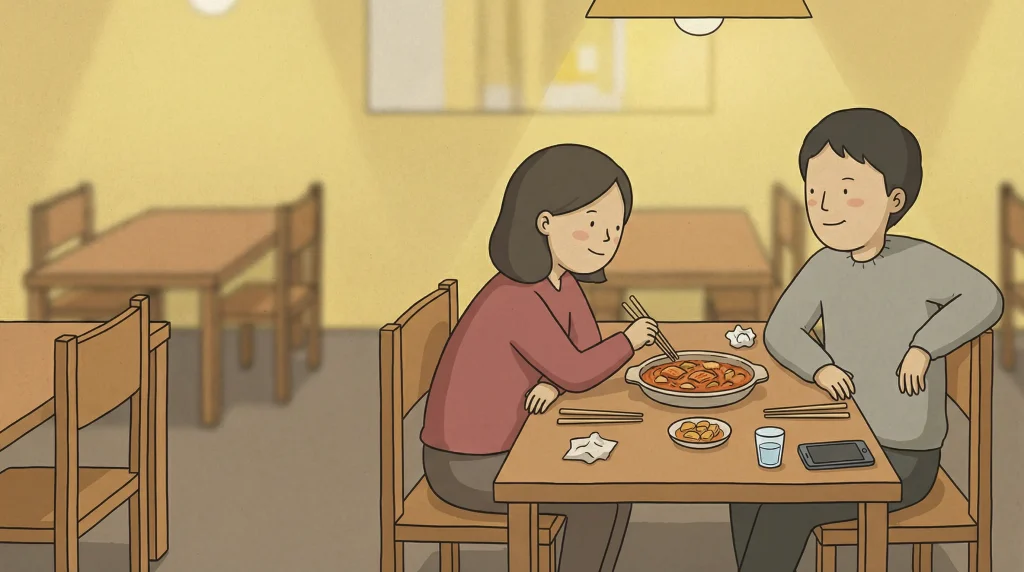
In adult life, Korean honorifics tend to arrive after relationship events—not after clock time. It is rarely “after 30 minutes” or “after one hour.” It is more often “after something happened that made the connection feel real.”
Below are three common triggers that make Korean honorifics feel available instead of forced.
1) Sharing a drink: the mood stops being formal
A drink is not magical by itself. What matters is what often comes with it: the pace relaxes, the jokes land more naturally, and the silences feel less threatening. When two people can share the same atmosphere without trying too hard, the relationship stops feeling like a polite performance.
This is why “we had a drink together” becomes meaningful in Korea. It is not about alcohol. It is about a shared mood that proves, quietly, “We can be comfortable in the same space.”
That comfort is one of the biggest doors Korean honorifics walk through.
2) Venting together: trust appears before closeness
There is a specific kind of closeness that forms when people share frustration. Not “gossip,” but small honest sentences like “Work is exhausting” or “This situation is frustrating.” Saying that is a tiny risk. It asks the other person not to judge, not to lecture, and not to weaponize the vulnerability later.
When the other person responds with steady empathy, the conversation shifts from manners to alignment. At that point, Korean honorifics can surface naturally because the relationship now feels warmer and more private.
This matches a very common Korean intuition from real life: honorifics appear when the relationship starts to feel “shared,” not “new.”
3) Repeated meals: familiarity replaces first-meeting stiffness
One meal is a meeting. Several meals become a pattern. And patterns matter in Korea because they reduce uncertainty. You learn small things: how the other person handles silence, whether they are considerate without making a show of it, whether they keep time, whether they pressure you or leave space.
As these patterns stack, the “first meeting stiffness” fades. When familiarity replaces awkwardness, Korean honorifics can slip out without sounding performative. They feel like a natural label for a connection that already exists.
Mini Dialogues: How Korean Honorifics Slip Out Naturally
In adult life, people rarely announce, “From now on, call me hyung.” More often, the word leaks out in motion, like a laugh.
Mini Dialogue 1) From “-ssi” to a single “hyung” moment
“Are you busy these days?”
“Yeah, it’s been nonstop.”
“Same. It’s honestly a lot lately.”
(After a few meetings, the mood loosens.)
“Hyung, I don’t think that’s right.”
That one word can feel like a turning point, not because it instantly changes the entire relationship, but because it reveals what was already building: comfort.
If the other person receives it well, Korean honorifics often become easier to repeat later.
Mini Dialogue 2) When the other person isn’t ready
Korean honorifics can also move faster than someone’s comfort.
“Hyung, can we do it this way?”
“…Could you use my name for now? That feels easier.”
This kind of pushback is usually about pace, not insult. The older person may still want the relationship to stay neutral, or they may not want it to feel too personal too quickly. Adults can be friendly while still protecting a boundary.
What this pushback usually means
It often means: “I’m okay with you, but I’m not ready for that level of closeness yet.”
When It Feels Too Fast: Why “Only Names” Can Signal Distance
Using names is normal in Korea, especially in workplaces and formal settings. “Name + -ssi” is the safest default. It is polite, common, and rarely wrong.
But there is a specific moment where “only names forever” starts to carry a different feeling. If people have already shared drinks, shared frustration, or built a repeated-meal rhythm, and one person still avoids Korean honorifics entirely, it can be read as intentional distance.
Not rudeness. Not dislike. More like: “Let’s keep this relationship defined and contained.”
That is why Korean honorifics often feel like permission. If the permission does not feel mutual, many adults choose names and polite language to keep things stable.
A Quick Reality Check: Why Adults Often Stay With “-ssi”
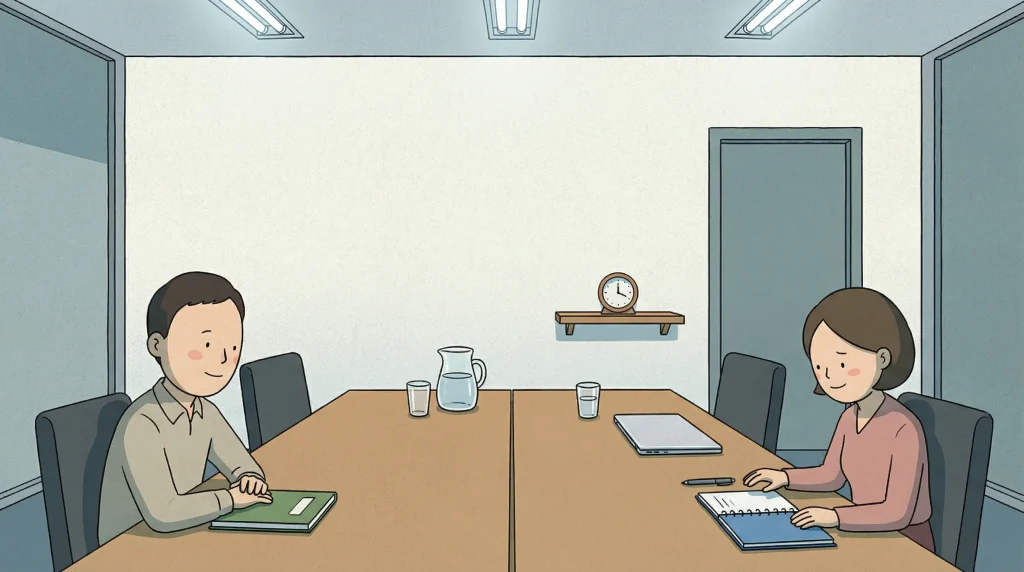
K-dramas often focus on emotionally intense relationships: romance, family conflict, fate-like friendships. Real adult life includes more mixed settings: workplaces, project teams, friend-of-a-friend gatherings, networking, hobby groups.
In those spaces, overly personal labels can make people uncomfortable—not because intimacy is bad, but because intimacy can create expectations. Calling someone hyung can make the relationship feel private inside a public setting. It can also create a “pair” feeling that others notice, which some adults avoid until the relationship becomes clearly personal.
So many adults stay with “name + -ssi” not because they are cold, but because they are keeping the relationship flexible until it proves itself.
Why K-Dramas Compress the Timeline
Dramas do not have the time to show every small meal, every slow build, every awkward pause that gradually becomes comfortable. So they compress “relationship events” into quick scenes. A single intense moment can replace weeks of real-life familiarity.
When a character suddenly says “oppa” in a drama, it often functions like a visible marker the viewer can hear: the distance changed.
So the speed you see on screen often reflects narrative timing, not social timing.
Korean Honorifics as a Closeness Signal
For international viewers, Korean honorifics can sound like family words used outside the family, which can feel strange at first. But in real adult life, these words often start later than you expect—because they do not only mark age. They signal a shift into personal closeness.
Knowing someone’s age can help set a safe speaking style. But oppa/unni/hyung/nuna usually appears after shared moments create a quiet certainty: “We’re comfortable now.”
And if that certainty is not mutual, the word can feel too fast—or it can be gently refused. Either way, the timing is doing the communicating.
