
Saying No in Korean Dramas: Why It Feels So Hard
Saying No in Korean Dramas is one of the moments that makes many international viewers pause. Someone asks for a favor. The answer looks simple. But the character doesn’t say “No.” Instead, they soften their words, delay the reply, and leave the other person hanging in uncertainty. While the scene stays quiet, the misunderstanding grows—and the relationship gets more tangled.
What frustrates viewers is rarely the refusal itself. It’s the ambiguity. A clear “No” can hurt, but it ends the guessing. An unclear answer can keep hope alive for too long, and that delay often feels more painful than rejection.
Before we go further, one boundary matters: this is not an argument that “all Koreans communicate like this.” Many people in Korea are direct, fast, and clear. What Korean dramas often highlight is not a fixed personality type, but a repeating pattern that becomes more visible when relationships carry risk.
The Questions Viewers Keep Asking
Across many viewer discussions, the same questions repeat—often in almost the same wording:
- Why don’t they just say no?
- Why agree to something they clearly don’t want?
- Is this politeness, or is it basically lying?
- Why keep things vague and let the other person hope?
- Is this fear of confrontation—or just bad writing?
These questions tend to explode in three types of scenes: romance, workplace, and family. The details change, but the emotional reaction is consistent: “This would be solved in one sentence.”
Romance Scenes: Why Not End It Cleanly?
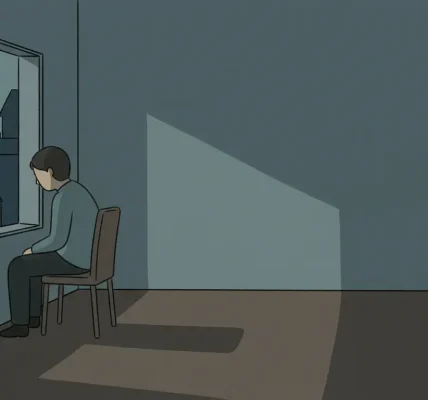
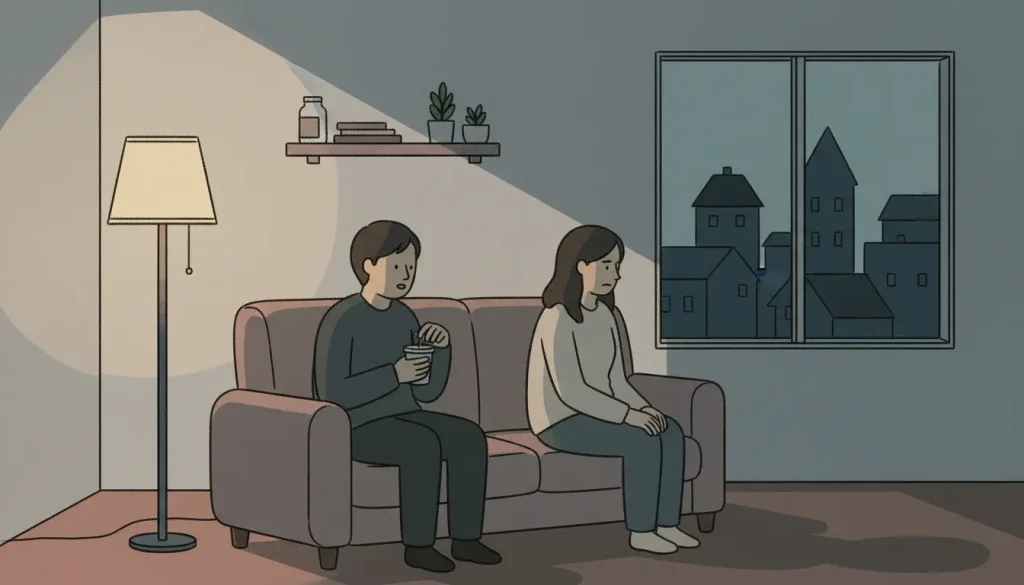
In romance plots, Saying No in Korean Dramas can look like a long, slow fade instead of a clear decision. A character seems uncertain, uncomfortable, or emotionally checked out—but the relationship continues anyway. Viewers often read this as mixed signals.
The confusion usually comes from a simple mismatch of expectations. Many viewers expect emotional honesty to show up as direct speech: “I don’t want this,” “I don’t feel the same,” “We should stop.” But dramas often show a different logic: the character hesitates because a direct sentence feels like a permanent injury.
A clean breakup can be clear, but it can also feel like a public verdict: “You were not chosen.” When a character believes that saying it directly will cause shame, conflict, or irreversible damage, they may try to reduce the blow by delaying the conclusion—hoping the relationship will “end naturally.”
That attempt to be gentle can backfire. To viewers, the delay looks like emotional avoidance. And the longer the ambiguity lasts, the more it feels like the other person is being led on.
Workplace Scenes: Why Agree to Something Unfair?
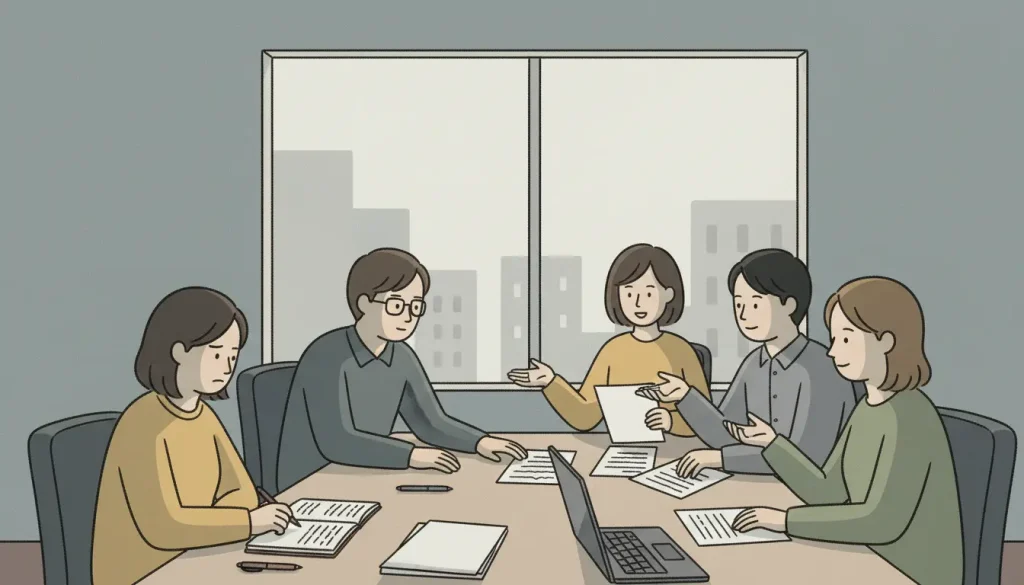
Workplace scenes are where Saying No in Korean Dramas feels most unbelievable to many viewers. A boss makes an unreasonable demand. The employee looks uncomfortable, but still says “Yes,” or gives a vague response that functions like agreement.
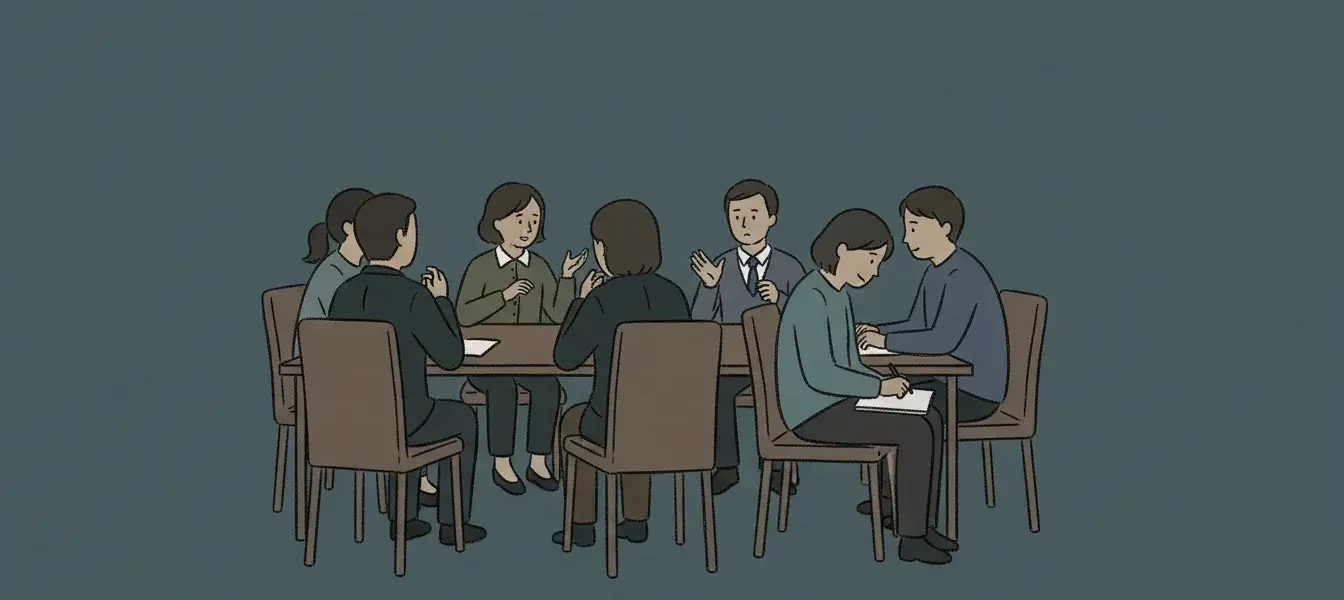
One key context is structural: in many workplaces, not everyone has the authority to give a final “Yes/No.” A quick refusal can be read as defiance, lack of teamwork, or disrespect—especially when hierarchy is strong. Even the sentence “That will be difficult” can be heard not as information, but as attitude.
In that kind of environment, indirect language can function as a survival tool. Vague phrasing buys time. It signals hesitation without triggering a direct confrontation. It allows the speaker to avoid taking full responsibility for a decision they are not fully allowed to make.
This is also why timing matters so much. A person may not be refusing the task itself—they may be refusing the risk of refusing. The fear is not always “I’ll lose the argument.” It can be “I’ll become a problem person,” and that label can follow them long after the scene ends.
Family Scenes: Why Can’t They Say No to Pressure?
Family scenes often run on a different logic than romance or work. Here, refusing can feel less like protecting boundaries and more like breaking loyalty. Viewers see a request and assume the answer should depend on fairness. But within many family dynamics, the emotional cost of refusal can outweigh the practical cost of saying yes.
This becomes sharper when the request is urgent or heavy—money for surgery, a crisis that “only family can solve,” or expectations built over years. Even if the person cannot help, a direct “No” can feel like abandoning the relationship, not just declining a favor.
That’s why characters may hesitate, stall, or offer partial help. They are not always unable to refuse. They may be trying to avoid the moment where refusal becomes a defining statement about what the relationship is worth.
The Real Frustration: Confusion, Not Refusal
This is the key point: the most common viewer frustration is not “They can’t refuse.” It’s “They refuse in a way that creates confusion.”
A direct “No” hurts, but it ends the story. An indirect answer can sound soft while producing a longer, deeper pain. It keeps the other person guessing: “Was that a no? Should I wait? Did I misunderstand?” Over time, the uncertainty becomes its own kind of cruelty—even if the speaker did not intend it.
So the emotional question shifts from “Why don’t they refuse?” to “Why do they choose ambiguity, when it hurts more?”
Why “No” Can Feel Like a Cost
Saying No in Korean Dramas often looks like a communication problem, but it’s frequently portrayed as a cost problem.
The “cost” is not only personal discomfort. It can include:
- damaging the relationship permanently
- causing the other person to lose face
- creating a public conflict others can’t ignore
- becoming labeled as difficult at work
- triggering guilt in family dynamics
In other words, “No” is not just a word. It can feel like an event. When a character believes the cost is high, they choose softer language to reduce impact—or to delay impact.
Why “Let’s Eat Sometime” Creates Misunderstandings
One phrase that often confuses international viewers is the equivalent of “Let’s eat sometime.” In some contexts, it’s a real invitation. In others, it’s a polite closing line—more like “Take care” than an actual plan.
If a viewer reads it literally as a promise, they naturally expect a follow-up: “When?” But if the speaker meant it as courtesy, that follow-up can create awkwardness. The mismatch happens because the same sentence can serve different social functions depending on context.
K-dramas often use this gap as fuel for tension: a soft sentence avoids conflict now, but creates confusion later.
Summary: Why Characters Avoid “Yes/No”
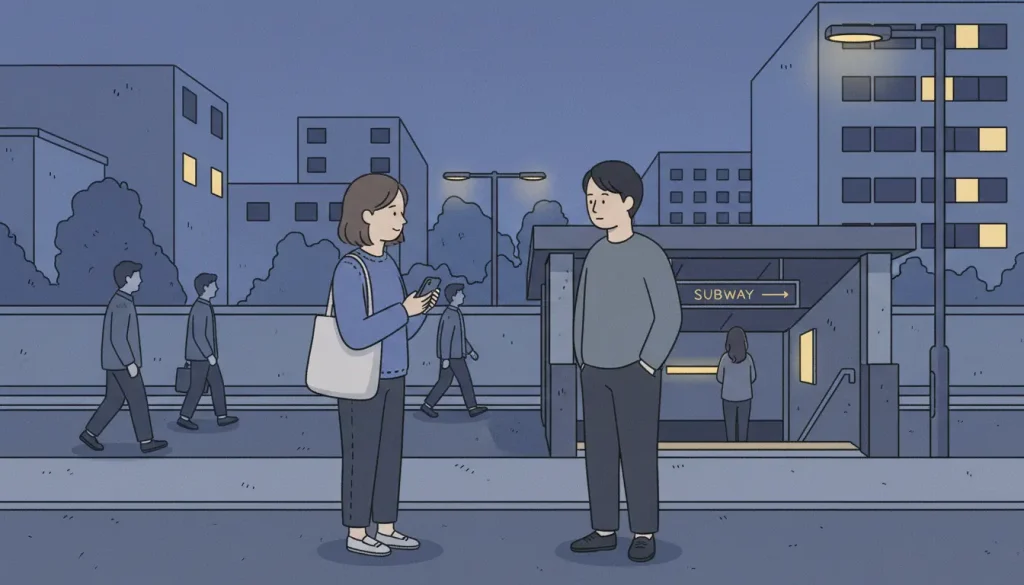
Saying No in Korean Dramas often becomes difficult not because characters are incapable of honesty, but because a clear “Yes/No” can feel like a high-stakes move. In romance, direct refusal can feel like a final wound. In workplaces, it can trigger hierarchy and long-term reputational risk. In families, it can read as breaking loyalty rather than declining a request.
So characters choose delay, softening, and ambiguity—not always to deceive, but to manage the social cost of clarity. That is why, in many Korean drama scenes, people hesitate to say “Yes” or “No” immediately.