Hwaiting Meaning — That One Word You Keep Hearing in K-Dramas
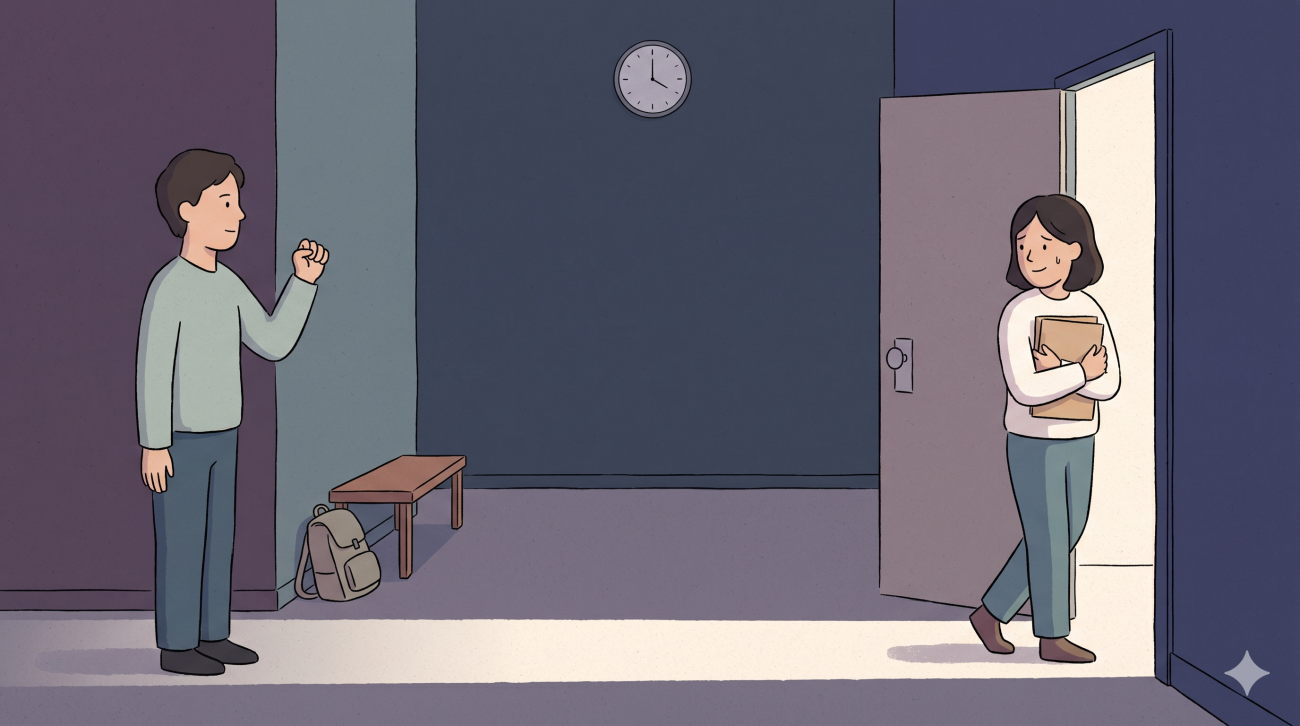
If you’ve ever watched a Korean drama, you’ve seen this scene. The main character is about to give an important presentation, or bracing themselves before a difficult phone call. Then a colleague or friend catches their eye and says quietly, “Hwaiting.” Maybe with a small fist pump, or a hand on the shoulder. If you don’t speak Korean, you probably paused at that moment. There’s no fight happening. No competition in sight. So why is someone saying “fighting”?
That’s exactly why the hwaiting meaning is so hard to reduce to a single English word. It isn’t “good luck.” It isn’t quite “cheer up.” “You can do it” comes closest, but even that doesn’t fully capture it. This expression started from the English word “fighting,” but in Korea it became something with a completely different emotional temperature. It isn’t a call to battle — it’s a word that says, I’m pushing you forward, right now, in this moment.
The pronunciation varies. Some say paiting (파이팅), some say hwaiting (화이팅). There’s a difference between the official spelling and everyday use, and both versions show up in daily life. Is it konglish (콩글리시)? Not exactly — and it would be too simple to call it wrong English. The original English meaning and the emotional function this word carries in Korean are entirely different things. It borrowed the sound but built its own meaning. It sits somewhere on the border between the two languages.
What matters most is that this word is genuinely familiar in everyday Korean life. It doesn’t only appear in dramas — it shows up at work, at school, between friends, on an ordinary Tuesday. Among korean encouragement words, this one is especially sensitive to timing. When you say it matters just as much as how you say it. It might sound strange at first, but once you see it in context, you start to understand what Korean encouragement actually looks like.
Hwaiting or Himnae — How Koreans Choose Between the Two
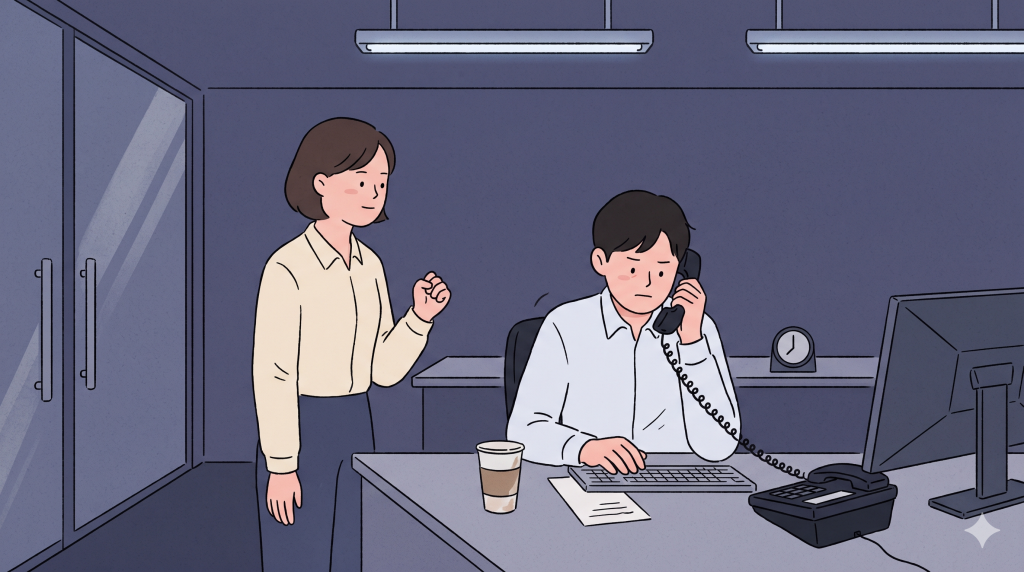
I work in a public service department that handles complaints. The job comes with its share of what we call 악성 민원인 — difficult callers who won’t hang up, who raise their voices, who wear you down. One day, a colleague of mine had to get on the phone with one of them. Right before she picked up the receiver, I turned toward her and said, “Hwaiting.” Nothing else was needed. She knew. I knew.
That one word carried something clear: I’m here, you’ve got this. The core of hwaiting is timing. It’s the word you reach for when someone is about to do something — right now. When a colleague has just been told they’re working late. When a friend is standing outside the interview room. When someone is about to walk onto a stage. It fits the exact moment when action is about to begin. When the timing lands right, this short word delivers more than a long speech of encouragement ever could.
That’s where the difference with himnae (힘내) comes in. “Himnae” is also encouragement, but it carries the feeling of asking someone to hold on over a longer stretch of time. If a friend is devastated after a long relationship ends, you say “himnae.” It’s for someone who doesn’t have a problem to solve right now — someone who needs time to recover emotionally. But for a colleague facing a pile of work and an inevitable late night, “hwaiting” is the word. There’s no official rule separating the two. But if you pay attention to the situation, it becomes clear which one fits. That instinct comes from years of using both.
There’s a scene in a drama I’ve seen — a superior who deliberately loads a junior employee with an impossible amount of work, then smiles and says, “Hwaiting.” That “hwaiting” wasn’t encouragement. The word was the same, but the intention behind it was completely different, and that gap made it feel colder than silence. Dramas exaggerate, of course. But the reason that scene feels off is real. This expression only lands when it comes from a genuine place. When the intention behind the word is wrong, “hwaiting” doesn’t just ring hollow — it cuts.
Can You Say Hwaiting to Your Boss — Using It Across Different Relationships
One of the most common questions from people learning Korean is whether you can say “hwaiting” to a boss or someone older. The answer is yes — but the form changes. To a close colleague, you just say “hwaiting.” To a supervisor or an elder, you say “hwaiting-imnida” (화이팅입니다). Adding “-imnida” at the end creates a layer of formality. This small adjustment is the Korean honorific system at work — same feeling, different temperature depending on the relationship.
That said, it doesn’t get used with everyone. If the age gap is significant, or if there’s emotional distance in the relationship, this kind of word tends to stay unspoken. Offering encouragement at all assumes a certain level of closeness. Even “hwaiting-imnida” can feel awkward if the relationship itself is distant. Before you say it, you read the temperature of the relationship. That’s the first condition for using this word well.
Saying “hwaiting-imnida” out of nowhere to someone you’ve just met in a formal setting would feel strange. But saying it to a supervisor you’ve worked alongside for years, right before a big presentation — that lands naturally. Same expression, different situations, different results. Understanding korean fighting meaning from a dictionary is one thing. Knowing what relationship and what moment it belongs to is something else entirely.
What about someone learning Korean who wants to try saying it to a Korean friend? In most everyday situations, it would probably come across as charming and natural. The word is short, direct, and warm. But there are situations where it doesn’t fit — a funeral, a serious illness, a deep loss that will take a long time to carry. In those moments, “hwaiting” can sound too light for what the person is going through. Sometimes the better response is simply being there, quietly. This word works best when someone is about to begin something — not when they’re in the middle of trying to survive it.
Why Koreans Raise a Fist When They Say Hwaiting
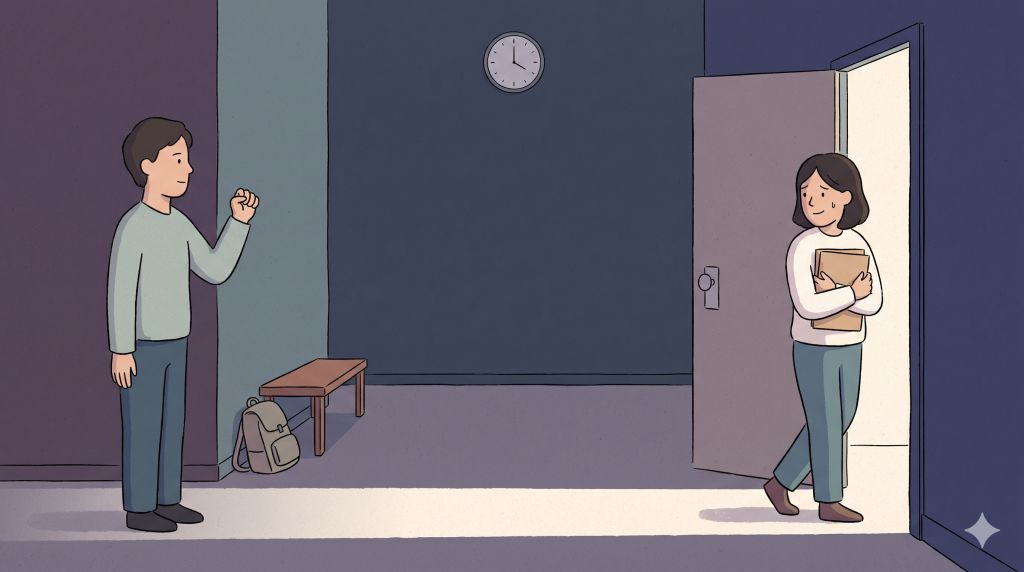
“Hwaiting” doesn’t only travel through words. When I say it, I raise one hand to about eye level and close it into a fist — pointed toward the other person. Sometimes the word and the gesture come at the same moment. Sometimes, when someone is too far away to hear, the gesture goes first. What that fist communicates is something like: go on, I believe in you. It’s not dramatic. It’s not careless. And at a distance where words don’t reach, that one closed fist is enough.
Back in school, we had a sports day every year. When classmates went out to compete in team events, the whole class would stand up and shout “hwaiting” together. Arms raised, fists closed, voices combined. A “hwaiting” from one person and a “hwaiting” from thirty people feel entirely different. It’s the moment when individual encouragement becomes a collective force. The sound that filled the schoolyard in those moments was something more than cheering.
There’s also aja aja hwaiting (아자아자 화이팅). “Aja aja” functions as a rhythmic filler — a chant-like sound that nudges someone into motion. When it comes before “hwaiting,” the energy nearly doubles. It feels more dynamic, more like a rally cry than a quiet word of support. “Aja aja” can also stand alone, acting as a light push to get someone moving. Among kdrama phrases, this combination shows up often for a reason — it’s short, it has rhythm, and it fills a scene with energy in a way few other expressions can.
The scene that opened this piece — a colleague about to pick up a difficult call, a quiet “hwaiting” from across the desk — probably looks a little different now. That word wasn’t about fighting. It was closer to: right now, in this moment, I’m with you. One fist, one word. In Korean, a short word can carry more than a long one. This expression might be the clearest proof of that.
What does hwaiting mean in Korean?
Hwaiting is a Korean expression of encouragement used to cheer someone on in the moment — closer to “you’ve got this” or “go for it” than to its English root word “fighting.” It’s used when someone is about to do something challenging, like a presentation, an exam, or a difficult phone call.
Is hwaiting the same as fighting in Korean?
They come from the same English word, but they function very differently. In English, “fighting” suggests conflict. In Korean, hwaiting is a warm, supportive expression with no aggressive meaning at all. It’s also spelled and pronounced differently — both “hwaiting” and “paiting” are commonly used in everyday Korean.
What is the difference between hwaiting and himnae?
Both are words of encouragement, but they fit different situations. Hwaiting is used when someone is about to take immediate action — starting a task, walking into an interview, getting on a difficult call. Himnae carries the sense of asking someone to keep going over a longer period, often used when someone is emotionally worn down rather than facing something they need to do right now.
Can you say hwaiting to your boss or someone older in Korea?
Yes, but the form changes. With close colleagues or friends, “hwaiting” is fine on its own. With a supervisor or elder, Koreans typically say “hwaiting-imnida,” which adds a layer of formality. Even then, it tends to be used within relationships that already have some warmth or familiarity — not typically with someone you’ve just met.
Can a foreigner say hwaiting to a Korean person?
In most casual situations, yes — it tends to come across as natural and even endearing. That said, it’s worth knowing the situations where it doesn’t quite fit. At a funeral, during a serious illness, or in moments of deep grief, hwaiting can feel too light. In those cases, quiet presence matters more than words. The expression works best right before someone is about to begin something difficult.
