Bbali Bbali: 5 Surprising Truths About Korea’s Famous Hurry-Up Culture
Do you know what surprises foreign visitors to Korea the most?
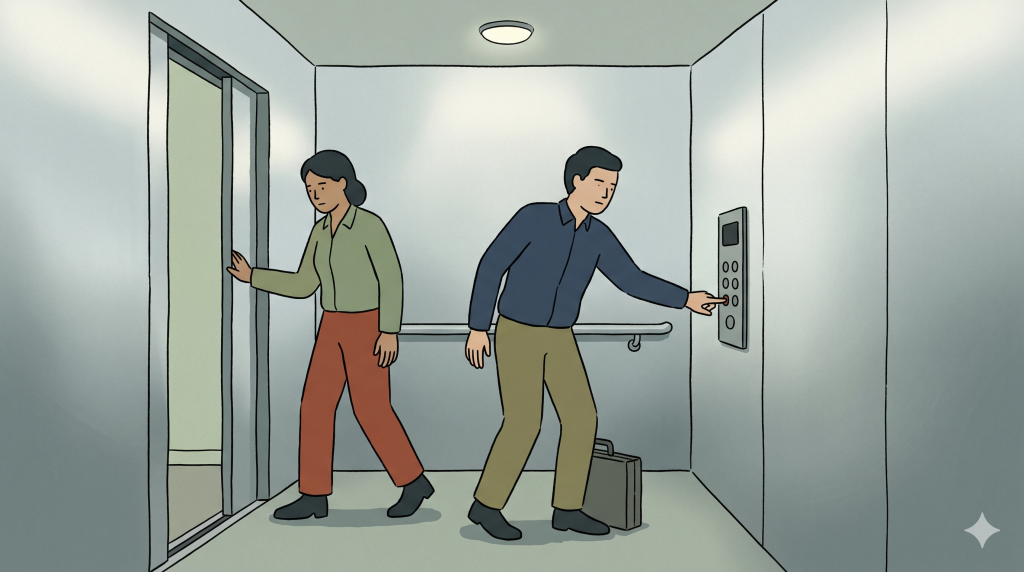
It is the elevator. A Korean steps inside and immediately — before the doors have finished opening — presses the close button. No waiting. No looking back to check if someone is coming. The hand goes straight to the button. The first time a foreign visitor sees this, they are not sure what to make of it. Is this person rude? In a hurry? Just not paying attention? None of the above. What you are watching is bbali bbali (빨리빨리) — a phrase that translates roughly as “hurry up” or “quickly, quickly,” but functions more like a complete operating system installed in the Korean mind. It shapes how people walk, think, work, and wait. Or rather, how they do not wait.
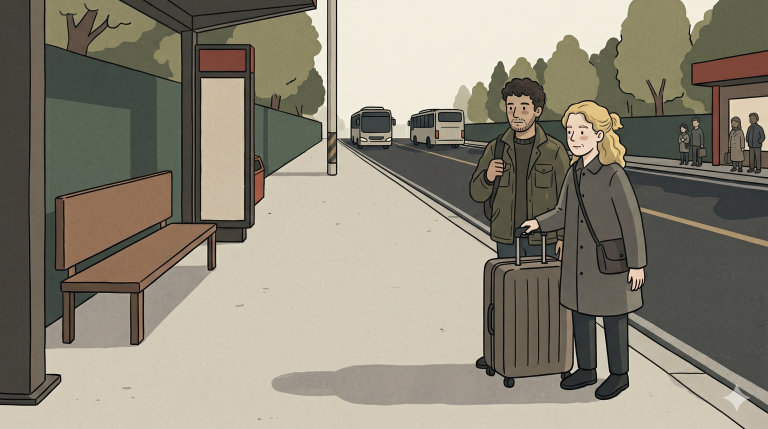
I grew up inside this culture without ever noticing it. My parents were advanced cases. My father once waited for my mother to finish getting ready, ran out of patience, and boarded the bus without her. I did not think this was strange. Everyone around me operated the same way. It was not until I started seeing videos online — Koreans satirizing their own habits, pointing out what the rest of the world apparently found baffling — that I understood I had been inside bbali bbali the whole time without knowing it was a thing.
How Bbali Bbali Shows Up in Daily Life
Bbali bbali does not announce itself. It appears in small, ordinary moments, and by the time you notice it, it has already happened.
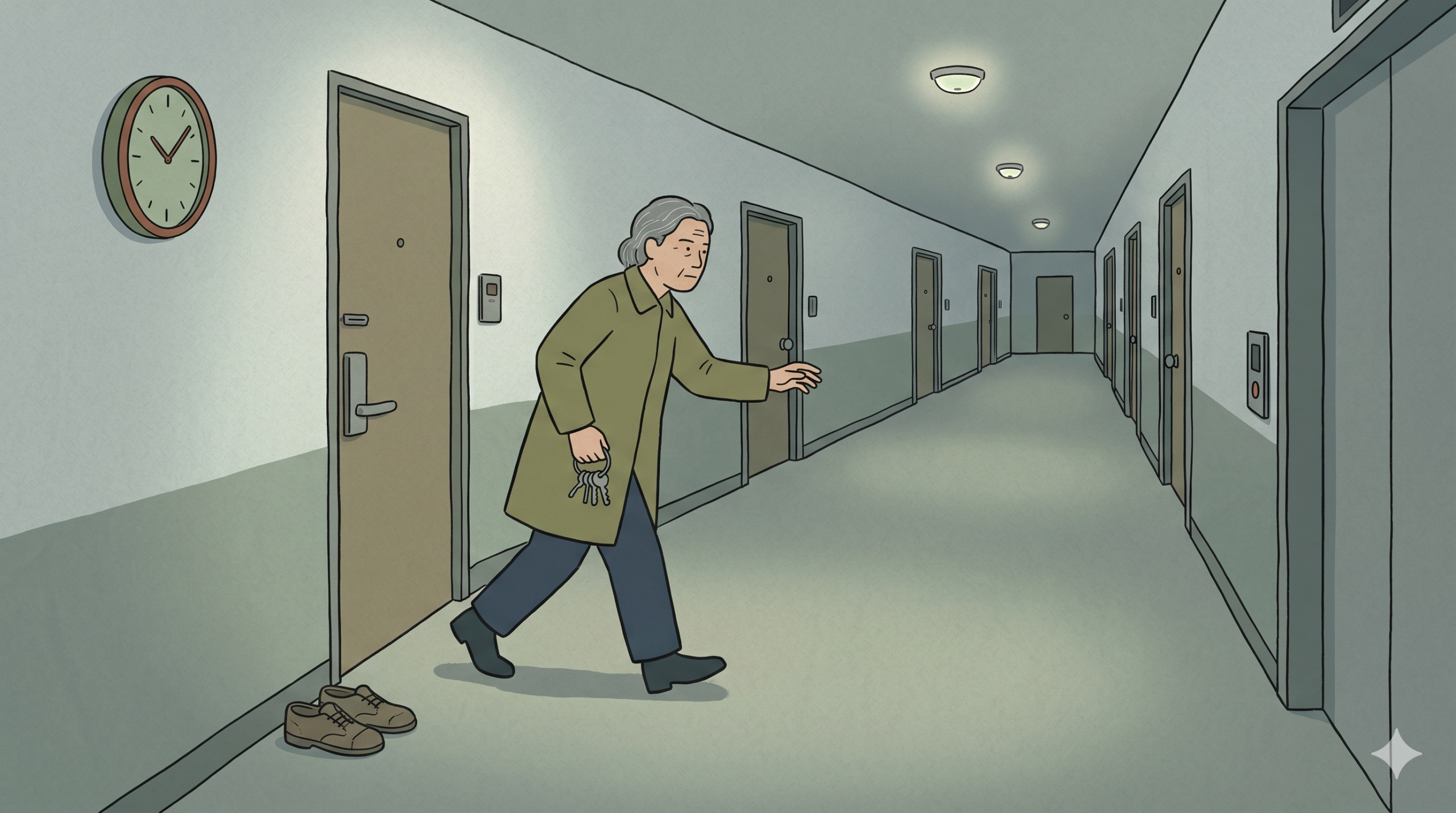
I once reached into a vending machine cup before the coffee had finished pouring. The cup was still filling up — hot liquid still coming out — and my hand was already moving toward it. My brain had already started the next action before the current one was complete. That is what bbali bbali feels like from the inside. The body moves slightly ahead of the moment. Waiting feels not just inconvenient but genuinely wasteful, as if each second spent standing still is a second that could have been used for something.
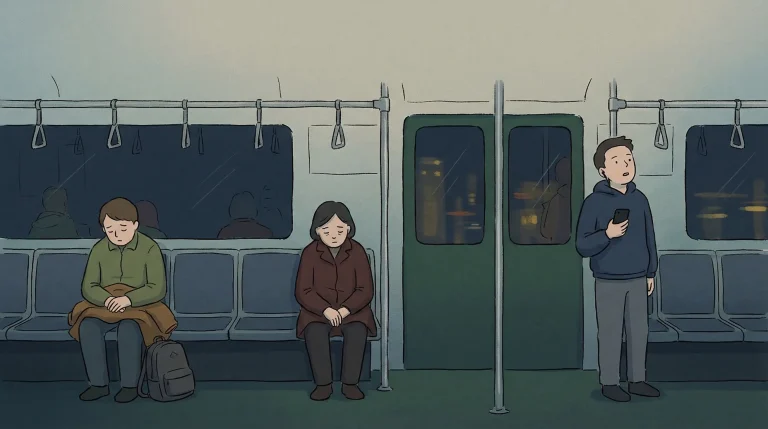
The elevator close button is the same instinct. The doors are still open, and the hand is already pressed. It is not impatience in the emotional sense. It is more like the Korean body has already calculated the next step and is simply beginning it. Korean commuters do this on their way to the subway too — while walking, they are already running a mental simulation of which car to board, which exit to take, which transfer will save the most steps. That focused expression, the one that foreign visitors sometimes read as cold or unfriendly, is not anger. It is a brain running calculations at full speed. When someone stops to ask for directions, the person snaps out of it and answers warmly. The blankness was not hostility. It was the look of someone already three steps ahead.
I will be honest: I am doing it right now. I am writing this sentence, and I am simultaneously thinking about what I should do after I finish — what would be the most productive use of the next hour.
Where Bbali Bbali Came From
Bbali bbali was not always a Korean trait. In fact, for most of Korean history, moving fast was considered undignified.
During the Joseon dynasty, walking briskly and moving with urgency was associated with the lower classes. The aristocratic class — the yangban (양반) — moved slowly and deliberately. Rushing was seen as incompatible with proper bearing. The pace of life was slow, and accepting that slowness was a marker of social standing. There were no cars, no electricity, no telecommunications. Everything took time, and time was not something to be optimized.
Then came the Japanese colonial period, and then the Korean War. Within less than a hundred years, the cultural memory of an entire country was rewritten by survival. I once read that Germans who lived through World War II passed on a deep instinct for frugality — an almost compulsive need to save and not waste. Something similar happened in Korea, but the lesson was about time and effort rather than money. If you could do in one hour what normally takes two, that was not just efficiency — it was economic survival. The thinking became physical. The idea that moving faster, working harder, and using every available moment productively could translate directly into a better life became something that Korean bodies learned to carry. Bbali bbali was not a personality trait. It was a response to catastrophe, and then it became a reflex.
That reflex is part of what drove what economists call the Miracle on the Han River — South Korea’s rise from one of the poorest countries in the world to a developed nation within a single generation. No comparable transformation had happened anywhere else at that speed. The speed was not incidental. It was the point.
The Cost of Moving That Fast
Speed has a price.
In the 1970s and 1980s, bbali bbali culture contributed to serious accidents across Korea. Buildings were constructed faster than safety standards could keep up with. Apartment blocks collapsed. The rush to build, driven partly by corruption and partly by a genuine cultural pressure to get things done quickly, left a record of preventable disasters. That era has largely passed. Standards tightened, and the relationship between speed and quality shifted. But the damage done in those decades was real, and it was a direct consequence of bbali bbali applied without limits.
On a personal level, the relationship between speed and wellbeing is more complicated. I take the bus to work and hate sitting in traffic, so I leave about two hours early. I arrive long before I need to. I do not start working earlier because of it — but I sit quietly, organize my thoughts, and plan my day in a way I never could if I had arrived rushed. Bbali bbali pushed me out the door early, and the result, strangely, is that I arrive calmer than most. The instinct to move fast, when it is well directed, can produce something that looks a lot like patience.
Is Bbali Bbali Changing
The generation currently in their twenties and thirties in Korea is measurably less urgent than the ones before them. They wait more easily. They are less likely to press the elevator button before you have finished stepping in. The edge of bbali bbali has softened.
But compared to most of the world, Korean culture is still fast. The younger generation did not live through a war or a period of genuine poverty. They grew up in a country that had already been built by the speed of their grandparents. It makes sense that their bodies would carry less of that urgency. The environment that produced bbali bbali no longer exists in the same form, and cultures change when the conditions that shaped them change.
What I hope does not happen is that the younger generation mistakes the older generation’s speed for a character flaw. Bbali bbali was not rudeness. It was not selfishness. It was the operating speed of people who had learned, through very hard circumstances, that moving faster was how you survived and how you built something. The elevator button gets pressed quickly because the hand remembers what it was like when there was no time to spare.
The next time you step into a Korean elevator and the close button is already pressed before you have settled in, you are not being dismissed. You are watching the reflex of a culture that spent decades learning that every second counts — and has not quite been able to forget it.
What does bbali bbali mean in Korean culture?
Bbali bbali literally translates as “hurry up” or “quickly quickly,” but in Korean culture it refers to a broader mindset of urgency and efficiency that shapes daily behavior. It shows up in small moments — pressing elevator buttons immediately, moving through crowds with calculated routes, and always thinking about the next task before the current one is finished. It is less a personality trait than a cultural reflex developed over decades of rapid social and economic change.
Why are Koreans always in a hurry?
The roots of bbali bbali culture lie in Korea’s modern history. Following the Japanese colonial period and the Korean War, an entire generation learned to associate speed with survival and economic progress. Moving faster, working harder, and using every available moment productively became deeply ingrained habits. This mindset contributed to South Korea’s rapid economic transformation, often called the Miracle on the Han River, in which the country went from extreme poverty to a developed economy within a single generation.
Is bbali bbali culture changing in Korea?
Younger Koreans are generally less driven by the urgency that characterized previous generations, partly because they grew up in a country that had already been built by that speed. The sharpest edges of bbali bbali culture have softened. However, compared to most international standards, Korean culture remains notably fast-paced, and the underlying reflexes — efficient routing, minimal waiting, constant forward planning — are still very much present across all age groups.