Korean Restaurant Call Button: Why Pressing It Is Never Rude
Learn when to press a Korean restaurant call button, what to say without one, when to call again, and how ordering and payment systems can vary.
The moments that don’t come with subtitles. A tap on the back, a turned shoulder, a silence that says more than words — Korean social behavior is full of signals that make perfect sense once you know what to look for. This section breaks down the gestures, body language, and unspoken rules that show up in everyday Korean life and K-dramas alike.
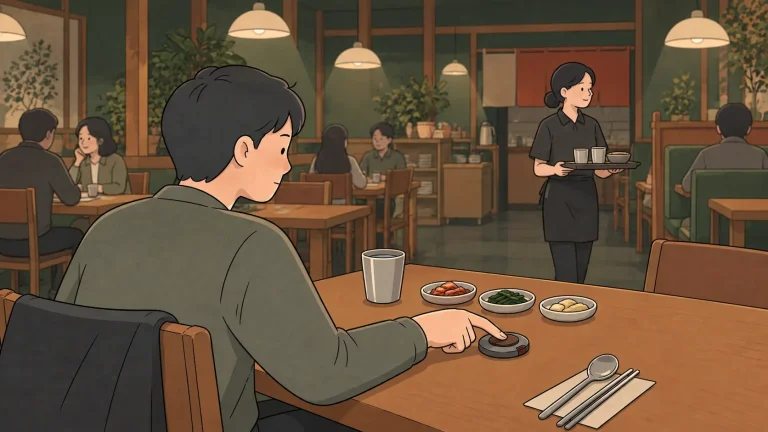
Learn when to press a Korean restaurant call button, what to say without one, when to call again, and how ordering and payment systems can vary.
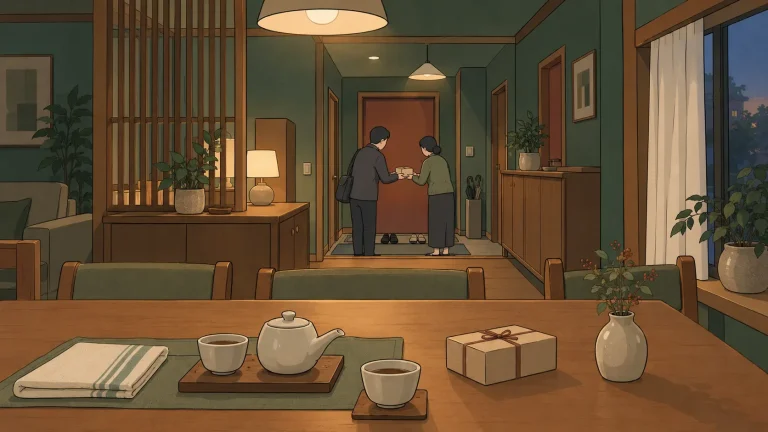
Korean etiquette uses two hands differently depending on the person and situation. A Korean explains how to receive, give, and handle the custom naturally.
A Korean explains why korean age starts at 1, why the law changed in 2023 but nobody noticed, and what happens when the system gets tangled.
A Korean explains what jeong really means — why it’s not love, not friendship, and not attachment, but something that shows up in a phone call with nothing to say.
When Do Koreans Stay Silent Instead of Speaking? Learn when silence in Korea means avoidance, anger, pressure, or social calculation.
What Is Nunchi? Learn how this quiet Korean social skill shapes silence, mood, and everyday behavior in family life, work, and K-dramas.