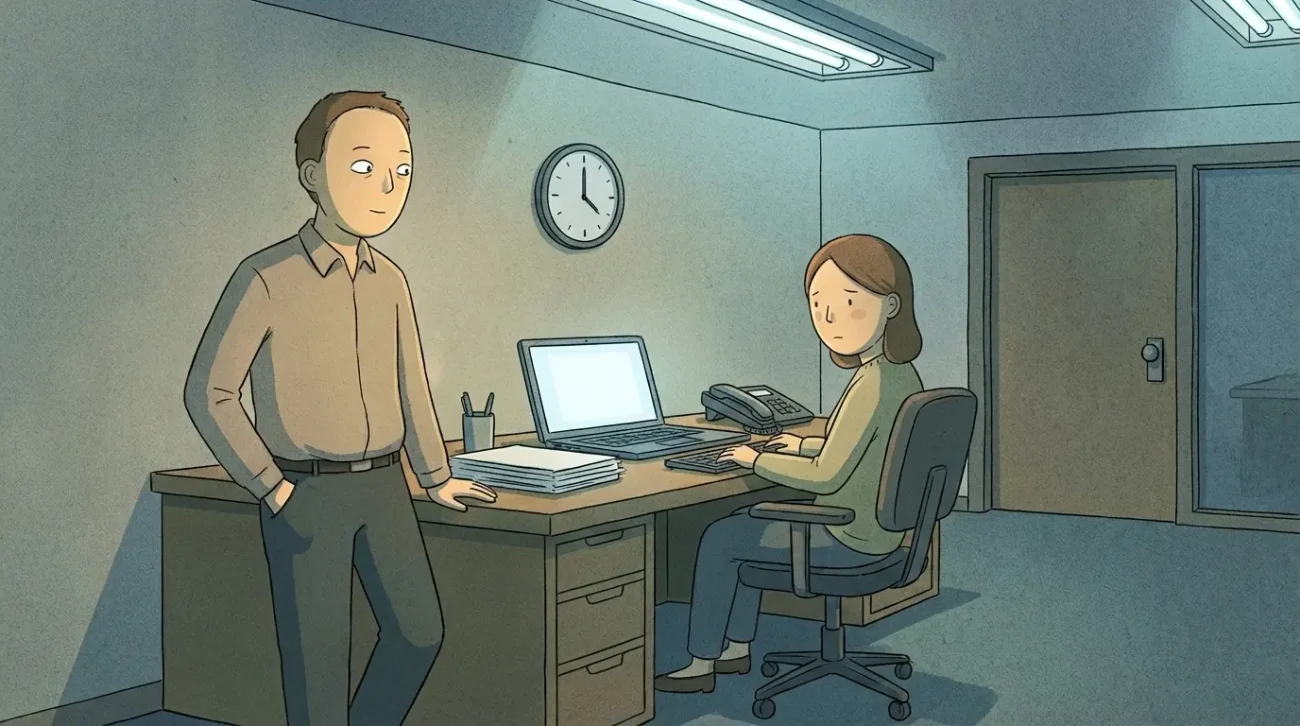
The first time I suggested it, I’d been turning the words over in my mouth for a while. “Let’s just drop the formal speech.” Five syllables in Korean. It took longer than it should have to actually say them out loud. We both knew we were the same age. We’d been working in the same team for months, eating lunch together, talking through projects. And still, we’d been using jondaemal (존댓말) — formal speech — the whole time. To break that pattern, I had to read the other person first. That night, we were drinking together. The atmosphere had loosened. I waited until it felt right, and then I said it.
Banmal (반말) is the informal speech register in Korean. The counterpart is jondaemal (존댓말), the formal register. Put side by side, it sounds like the difference between formal and informal in English. But banmal and jondaemal are not simply a matter of word choice. Somewhere between the two sits a question about how two people have decided to treat each other.
The Thing I Said at a Drinking Table
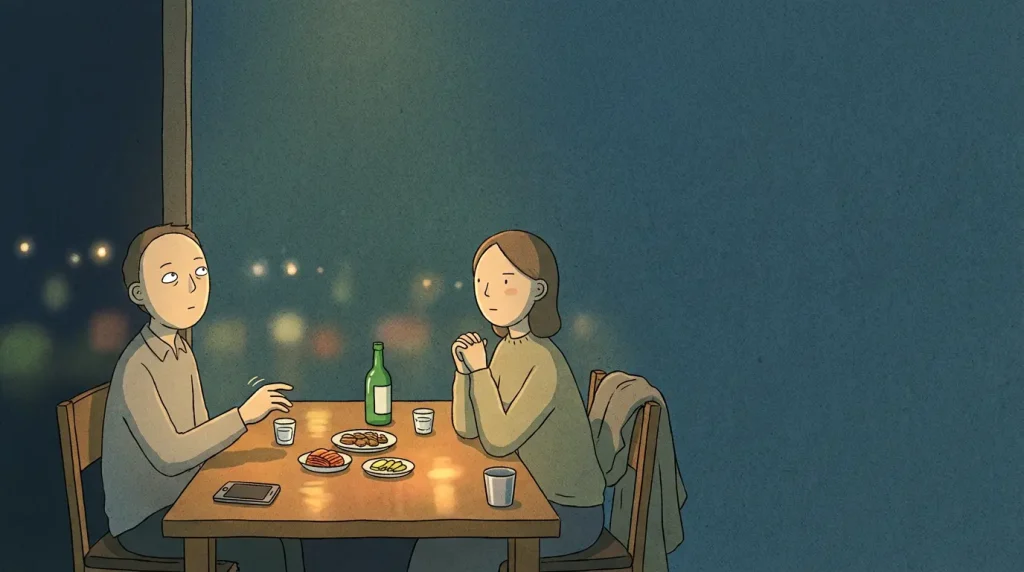
My colleague and I were the same age. Same team, same year. But months passed and the formal speech stayed in place. That’s not unusual. When you meet someone for the first time in a professional setting, even if you’re the same age, formal speech is where you start. That’s just how it works.
Before I suggested dropping it, I watched the other person for a long time. Would they take the offer easily, or would it land awkwardly? Suggesting banmal means saying let’s be more relaxed around each other — but it also means accepting the risk that the other person might say no. If they decline, the moment after is harder than the moment before. That’s why I chose a drinking table. Not a formal meeting, not lunch between shifts. A place where guards were already down. That’s where the suggestion felt like it could land naturally.
They smiled and agreed. After that night, we stopped using formal speech with each other. Who suggests it first doesn’t create a hierarchy between two people. But the person who brings it up first has to read the other carefully before doing so. In Korean, that kind of reading is called nunchi (눈치). By the time those words left my mouth, a fair amount of calculation had already happened.
Same Age, Still Formal
Around the same time, I suggested the same thing to a different colleague. Same age, same team. That person said no. They preferred to keep formal speech at work. My first reaction was mild surprise. Same age, same team — that thought did cross my mind. But their position wasn’t wrong.
Banmal doesn’t automatically make a relationship closer. For some people, formal speech is the way they maintain respect between each other, and that stability is more valuable to them than informality. Switching to banmal doesn’t guarantee closeness, and staying with jondaemal doesn’t mean there’s distance.
Unless two people met as childhood friends, switching speech registers is not easy — even between people the same age. School friendships are different. You meet at the beginning of everything, and informal speech starts naturally from there. But adult relationships — workplace, social circles, anywhere you meet after growing up — begin with formal speech as the default. Changing that default requires someone to move first. And that movement isn’t always welcomed.
At Work, Banmal Is a Different Problem
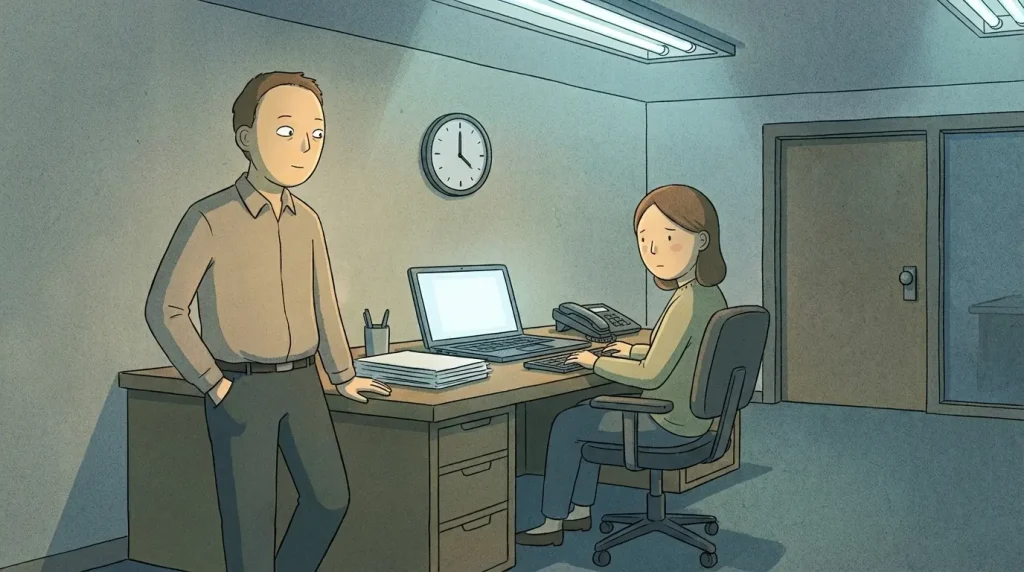
Workplace banmal is a different conversation. For a long time, it was perfectly ordinary for a senior colleague or manager to speak informally to someone younger. When I started working, that was the environment. An older colleague using banmal from the start didn’t feel particularly strange.
That has shifted. Even when the age gap is significant, starting with banmal the moment you meet someone is now read by many people as a breach of manners. Younger generations in particular feel this strongly. If someone senior at work uses banmal with them from day one, some of them interpret it as not being treated with respect.
The logic behind this is something I’ve observed directly. Speaking informally to someone means treating them as comfortable territory. But that comfort can slip, gradually, into treating the other person as subordinate. Language shapes behavior. There are colleagues with whom banmal eventually becomes natural over time — but my general position has been to stay with formal speech at work. It’s harder to accidentally overstep when the register holds.
What Koreans Actually Feel When the Speech Switch Happens in K-Dramas
K-Dramas always include a scene where two people switch from formal to informal speech. There’s usually a careful pause before it — one person asks whether they should just drop the formality, and the other meets their eyes for a moment before agreeing with a small smile. Foreign viewers seem to receive that scene as an emotionally significant turning point. The music helps. The slow camera work helps.
When I watch the same scene as a Korean, what I feel is considerably less dramatic. They’ve decided to be comfortable around each other. That’s it. Two people agreeing to drop the formality. I register it and move on.
The reason foreign viewers experience that scene differently probably has something to do with coming from a language where this distinction doesn’t exist. In English, you is you, regardless of who you’re speaking to. So the idea that a single shift in speech register can mark a change in how two people relate to each other may feel unfamiliar — or more charged than it actually is day to day. Korean dramas emphasize the moment because it isn’t just grammar changing. It’s two people declaring how they’ve decided to see each other.
Using Banmal Before Asking Someone’s Age
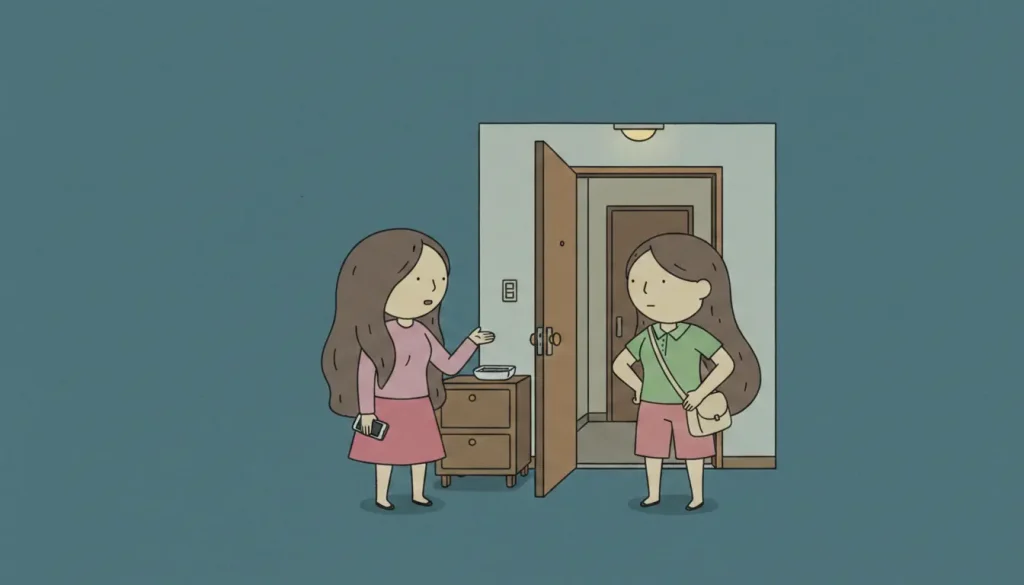
Once, someone used banmal with me the first time we met. They hadn’t asked my age. They had apparently decided, by looking at me, that I was younger than them. It was unpleasant. Making that assumption based on appearance alone and using it to justify informal speech is a form of rudeness. Even if the guess happens to be correct, speaking informally to someone you’ve just met — without confirming anything — means you’ve already decided where they stand relative to you. That decision, made before a single real exchange, is what makes it feel like a small act of dismissal.
Banmal between people who grew up together is one thing. It builds over years, without anyone having to announce it. But banmal between adults who met in a social or professional setting is different. It doesn’t come with the territory of being the same age. It has to be offered and accepted. The moment someone skips that step, something gets broken before it had a chance to form.
When a Foreigner Speaks Banmal
Foreigners are different. If someone has just arrived in Korea, still working out which words are formal and which aren’t, stumbling through sentences and trying anyway — that’s just appreciated. The attempt itself is enough. They’re not yet familiar with the culture, so even if something comes out wrong, the response from most Koreans would be understanding rather than offense. There’s something genuinely touching about watching someone try.
That said, there’s a different kind of situation I’ve seen, where someone who clearly knows enough Korean to understand the distinction keeps using informal speech anyway, pretending not to know better. That reads differently. The stumbling foreigner and the knowing foreigner are both using banmal, but the feeling they produce is not the same at all.
What’s Changed Between My Generation and the Next
I’m in my forties. When I was younger, it wasn’t unusual for someone even a year older to use banmal from the very first meeting. Sometimes with profanity mixed in. That was just how seniority expressed itself, and at the time it didn’t strike most people as particularly out of line.
Now it’s different. The generation coming up now — in their twenties and thirties — has a much lower tolerance for informal speech used without any groundwork. Even between people the same age, even when the age gap is clear, banmal without the process of getting to know someone first is something they push back against. At work especially, being spoken to informally by someone senior from day one is something they read as a signal that they aren’t being treated as equals.
There are exceptions. An elderly person in their eighties speaking informally to someone in their twenties — that gets accepted. The gap is wide enough that it occupies a different category altogether, and most younger Koreans give it room. The flexibility hasn’t disappeared entirely. But the space where informal speech can be used without negotiation has grown considerably smaller than it was when I started out.
That night at the drinking table, when my colleague smiled and said yes, I felt something settle. Not relief that I hadn’t been turned down — more that the relationship had been confirmed as something it could become. Banmal is, in the end, an agreement about how two people have decided to treat each other. Those few words I’d been holding in my mouth all evening carried that agreement inside them.
What is banmal in Korean?
Banmal is the informal speech register in Korean, used between people who are close, the same age, or in relationships where formality has been mutually dropped. It contrasts with jondaemal, the formal register used with strangers, elders, and in professional settings.
When do Koreans switch from formal to informal speech?
Usually after some time getting to know each other — often one person suggests dropping the formality, and the other agrees. The timing depends on the relationship: childhood friends start with banmal naturally, but adults who meet in social or work settings typically begin formal and switch only when both sides are comfortable.
Is it rude to use banmal in Korea without permission?
It can be. Using informal speech with someone you’ve just met — especially without knowing their age — is generally considered impolite. Younger generations in Korea are particularly sensitive to this, especially in workplace settings where unsolicited banmal can feel like a signal of disrespect.
