Skip to content

travelinginkorea

Korean culture explained by a Korean, for K-drama fans and first-time travelers.

korean language culture

Uri Meaning in Korean: Why Koreans Say “Our Mom” Not “My Mom”
Posted in
  • Language & Speech

Uri Meaning in Korean: Why Koreans Say “Our Mom” Not “My Mom”

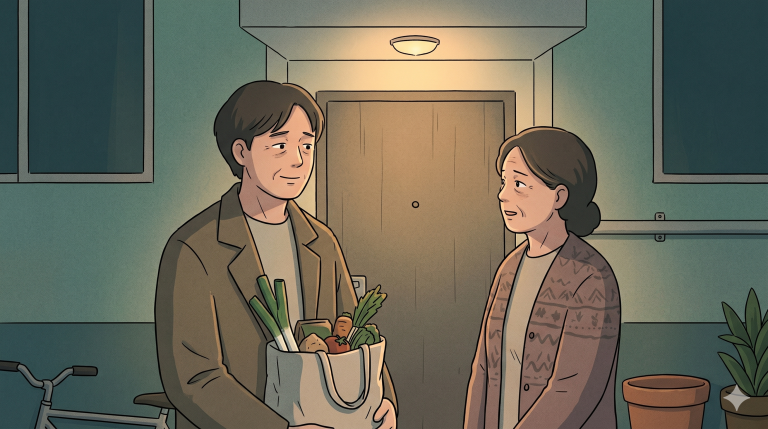
Ever heard a Korean say “our wife”? Learn the real uri meaning and why Koreans use “our” instead of “my” — even for things that belong to just one person.
by lhjas•May 11, 2026May 11, 2026•0•Posted inLanguage & Speech•korean family terms, korean language culture, korean our, korean pronouns, nae vs uri, uri eomma, uri meaning
Korean Honorifics: Why Koreans Call Strangers Oppa and Unnie
Posted in
  • Language & Speech

Korean Honorifics: Why Koreans Call Strangers Oppa and Unnie

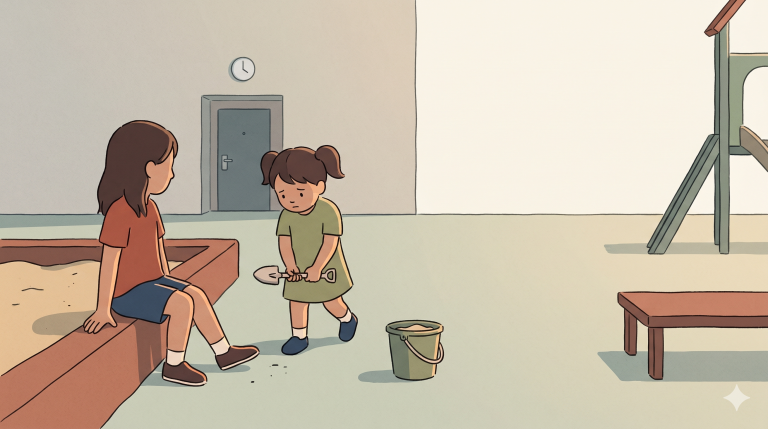
A Korean explains why strangers get called oppa and unnie — and why it starts at a playground, not a language class. The real meaning behind Korean honorifics.

by lhjas•April 28, 2026April 28, 2026•0•Posted inLanguage & Speech•kdrama culture, korean honorifics, korean language culture, korean social etiquette, korean titles, oppa meaning, unnie meaning
Banmal in Korea: The Informal Speech That’s Never Just Informal
Posted in
  • Language & Speech

Banmal in Korea: The Informal Speech That’s Never Just Informal

A Korean explains what banmal really means — why switching speech levels is a decision, not just a grammar change, and what happens when someone gets it wrong.

by lhjas•April 14, 2026April 14, 2026•0•Posted inLanguage & Speech•banmal, honorifics korea, jondaemal, korean language culture, korean social etiquette, korean speech levels, korean workplace culture
Copyright © 2026 travelinginkorea.
Powered by WordPress and HybridMag.