A Korean explains what the korean public bathhouse really was — before jjimjilbang existed. Hot water, body scrubbing, laundry in the bath, and cold cola after. This is where it all started.
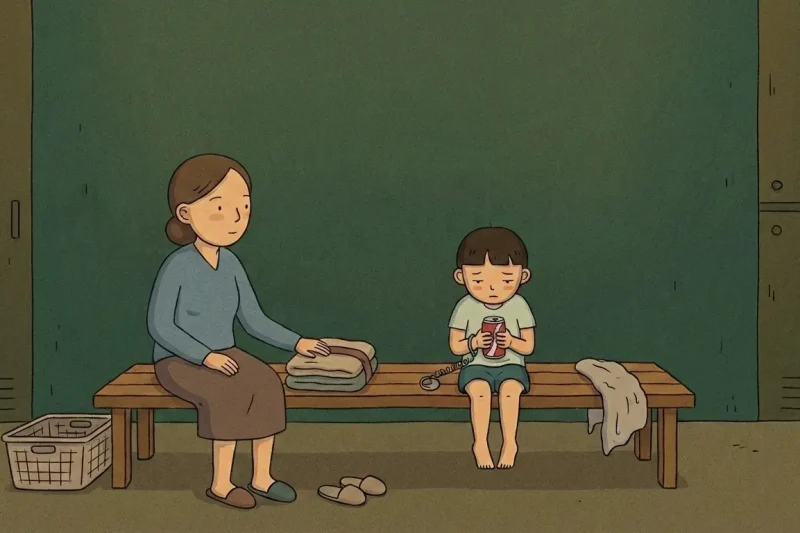
Explains cultural context viewers miss in K-dramas—indirect, emotional unspoken moments—revealing relationships, pressure, daily life, without stereotypes.
A Korean explains what the korean public bathhouse really was — before jjimjilbang existed. Hot water, body scrubbing, laundry in the bath, and cold cola after. This is where it all started.
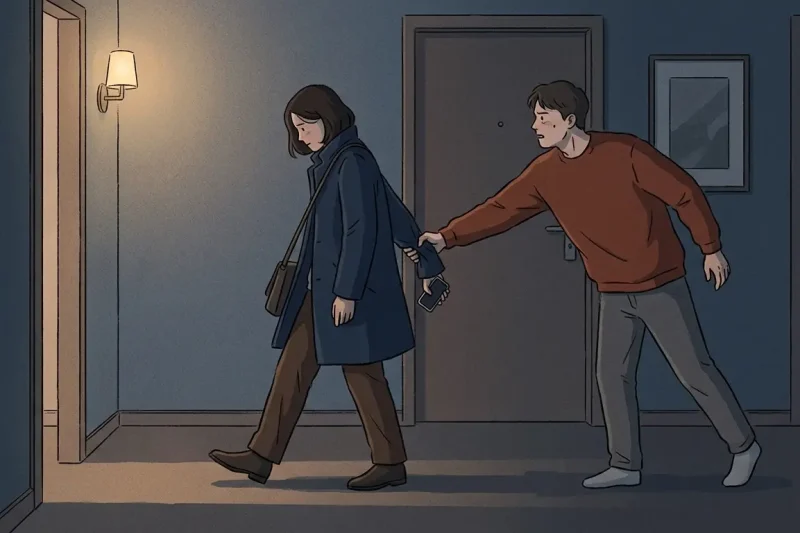
Wondering why the korean wrist grab kdrama scene keeps appearing? Here’s what it means in real Korean culture, body language, and emotional logic.
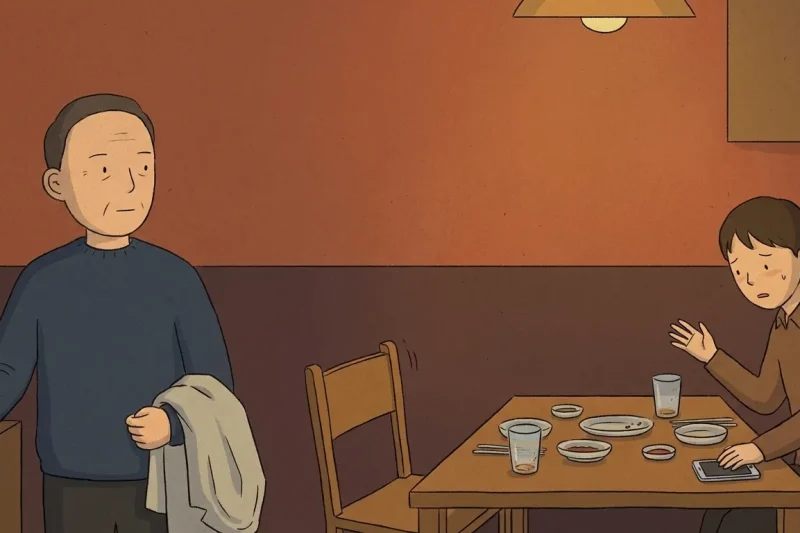
Why do Koreans fight over bill after meals? Learn how age, affection, chemyeon, and changing Dutch pay habits shape who pays in Korea.
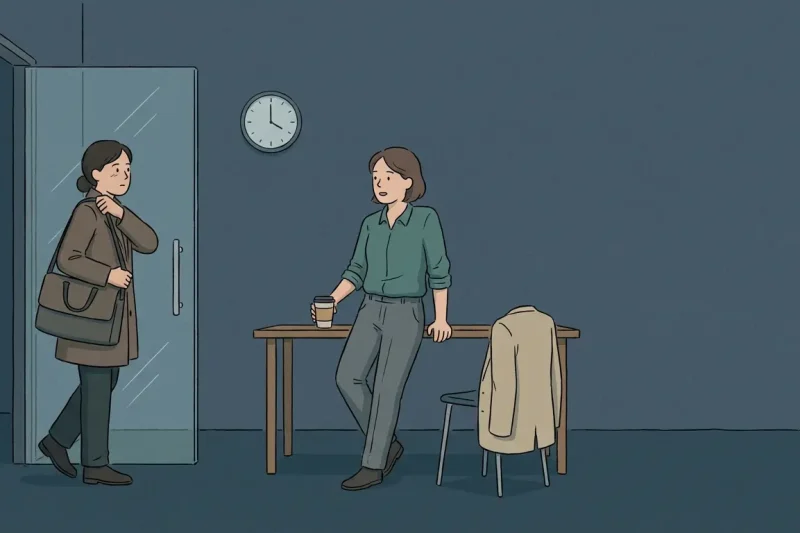
Why do Koreans say did you eat? This Korean greeting carries care, history, hunger memory, and a way of checking on someone without saying too much.
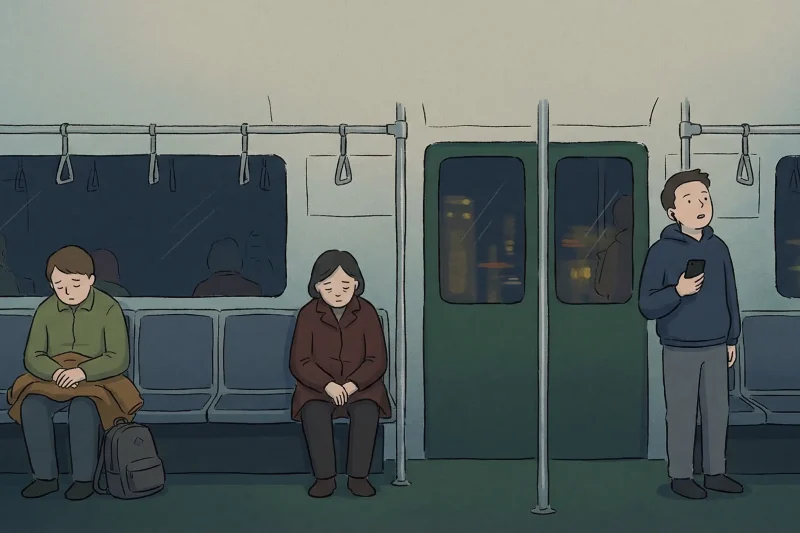
Korean silence culture appears in subways, elevators, and KakaoTalk. Discover how silence becomes a meaningful signal shaped by context, relationships, and everyday life.
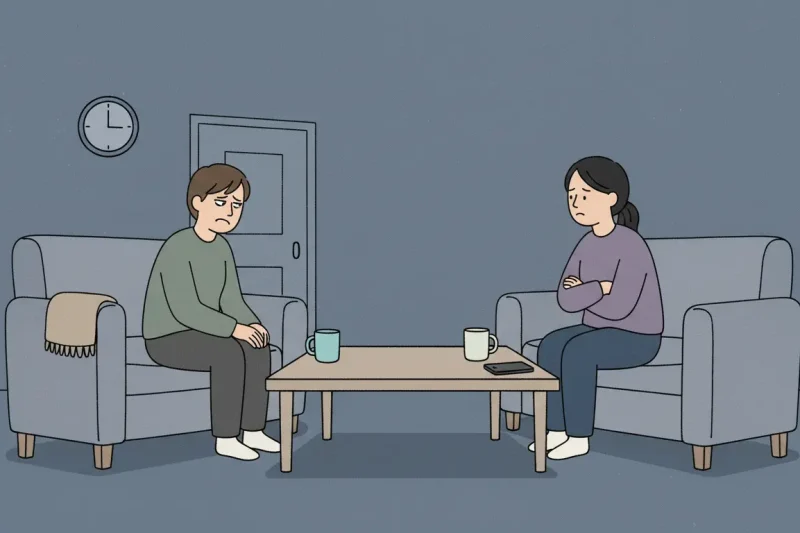
When Do Koreans Stay Silent Instead of Speaking? Learn when silence in Korea means avoidance, anger, pressure, or social calculation.
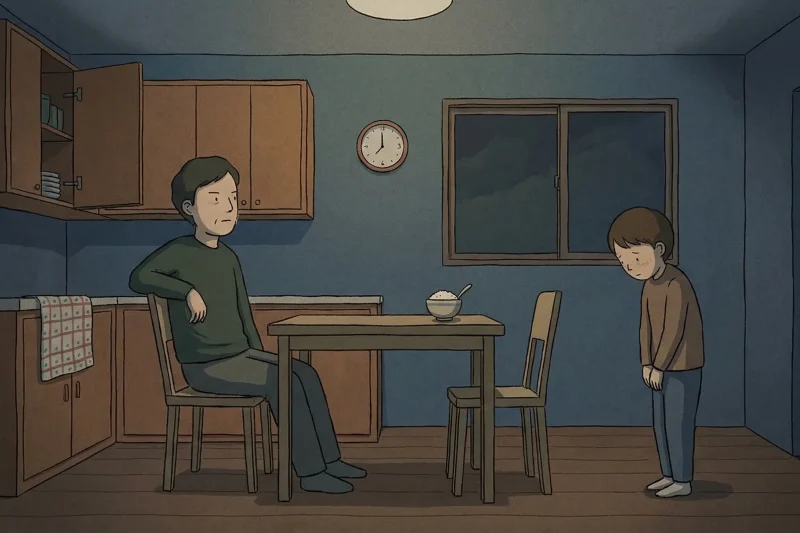
What Is Nunchi? Learn how this quiet Korean social skill shapes silence, mood, and everyday behavior in family life, work, and K-dramas.