Why Doesn’t Ssam Culture Have Rules? A Korean Explains
In Korean ssam culture, there’s no fixed way to wrap it — no rules, no shame in a big bite. A Korean breaks down what actually goes into a wrap.
Food in Korea is never just about eating. These posts explore the social rules, unspoken meanings, and cultural habits that Koreans express through food — from everyday greetings to shared meals and dining etiquette.
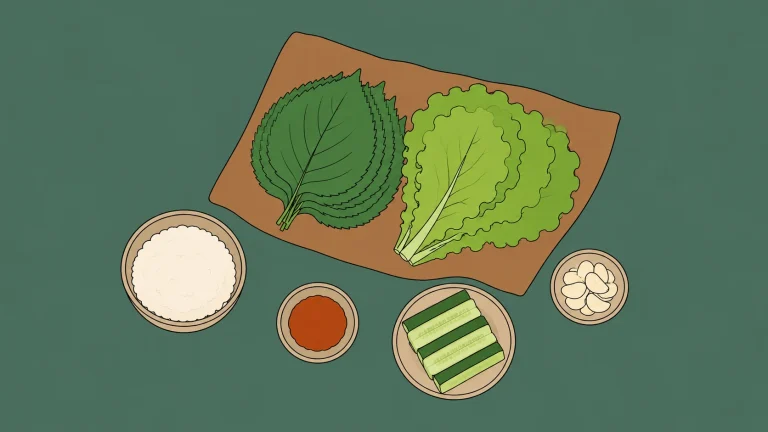
In Korean ssam culture, there’s no fixed way to wrap it — no rules, no shame in a big bite. A Korean breaks down what actually goes into a wrap.
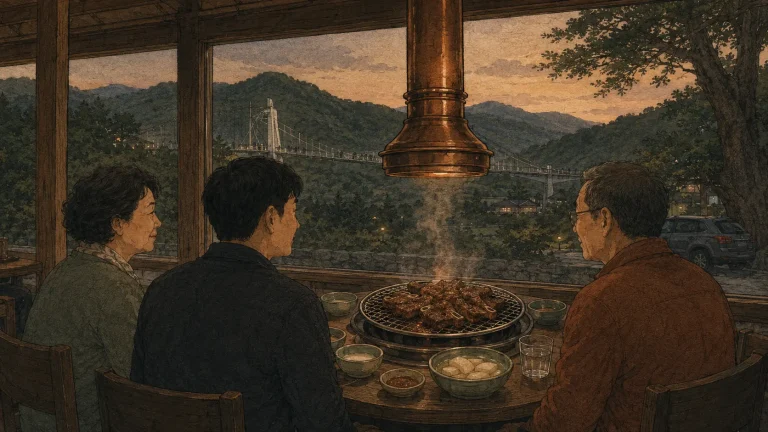
Idong galbi is named after a small Pocheon township, not the verb moving. A Korean shares the ribs, old-style dongchimi, and the family trip.
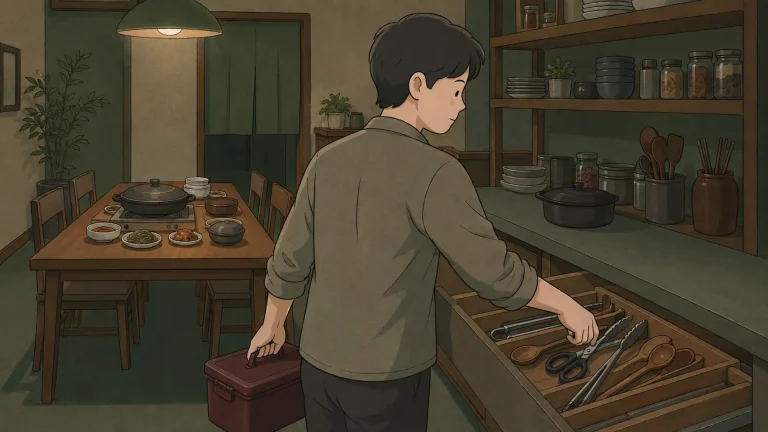
Why do Koreans use scissors for food? A Korean explains why scissors work so well for pork belly and kimchi, who handles them at BBQ, and how they stay clean.
You haven’t ordered yet — but the table is already full. A Korean explains what banchan really is, why it’s always free, and how to eat it the right way.