What Is Jeong? The Attachment I Noticed After Leaving
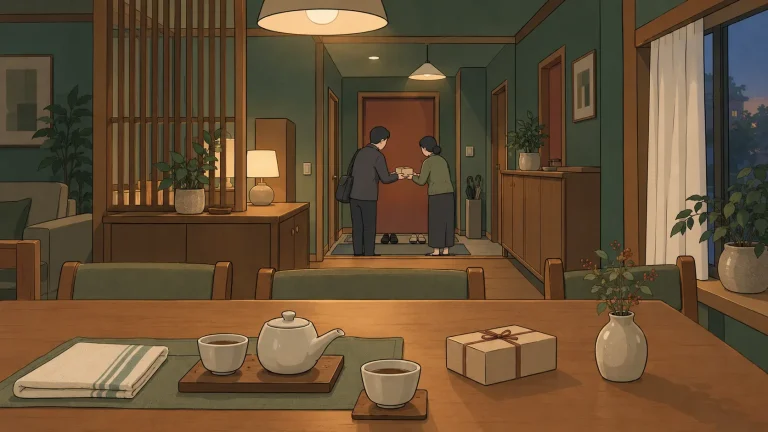
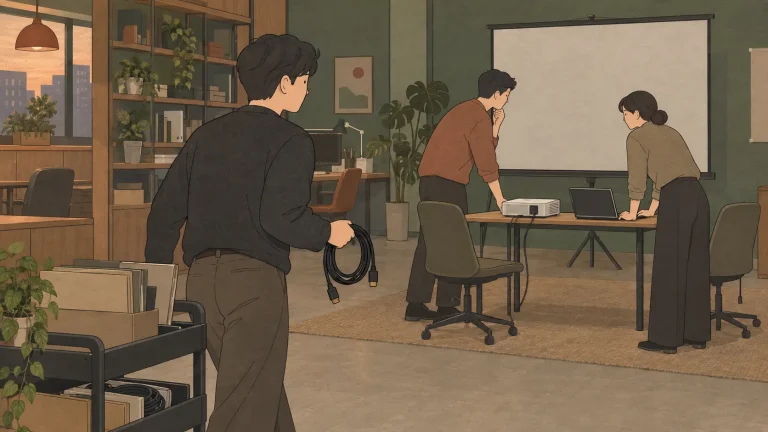
I recently left a company where I had worked for a long time. Afterward, I felt an emptiness inside. I realized I had grown attached to a colleague without noticing it. When someone asks me, “What is jeong?”, that empty space comes to mind first; jeong (정) means a feeling of affection or closeness.
This person was simply a colleague. Our relationship needed no special name, yet after I left the company, they stayed on my mind. Being apart brought a feeling into view that I had not recognized while we were together.
What Is Jeong Like When You Begin to Notice It?
In Korean, the word describes a feeling of affection or of being close to someone. It can apply to family, friends, and, in my case, a colleague; it is not limited to romantic relationships.
“We were close colleagues” would describe our relationship. But to convey the feeling that a part of my life was empty after leaving, “I had grown attached” fits better. Only afterward did I realize how much that person had become part of my everyday life.
You do not necessarily notice the moment that attachment develops. A relationship that feels ordinary while you see each other can stay with you after those meetings stop. The pleasure of being together and the emptiness of being apart reveal different parts of that relationship.
For me, the clearest way to explain it is the order in which things happened. First I left the company, then I felt the emptiness, and through that feeling I recognized my attachment to my colleague.
Do You Have to Know Someone for Years?
There is no fixed number of days or years needed for attachment to develop. Knowing someone for a long time does not, on its own, explain how two people feel. The time they share and the closeness they come to feel matter too.
Sharing a meal is a useful example. As people sit together, share food, and listen to each other’s stories, someone they know only by name may become someone who shares their daily life. That does not mean one meal creates this feeling for everyone.
Such moments can stay with visitors too. In an account of a stay in Korea published by CIEE, Asher Ruth P. described feeling connected through sharing food with others and associated that feeling with jeong. The account covered experiences during the first two weeks in Korea. For this writer, shared moments came before a long history together.
That is one person’s experience. Not every traveler will feel the same way, but it offers an example of understanding the word without first searching for a relationship that stretches back years.
Attachment That Survives Hurt and Irritation
Korean also has the expression miun jeong goun jeong (미운 정 고운 정), referring to attachment that deepens through the ups and downs of a long relationship, including times when people get along and times when they do not.
If you understand attachment only as a pleasant feeling, this expression can seem puzzling. There are relationships in which you feel hurt or irritated by someone while still caring about them. Thinking of siblings or people who have spent a long time together can help you understand how both feelings remain.
The phrase miun jeong (미운 정, attachment that remains alongside dislike or resentment) does not mean that everything the other person does is acceptable. Unpleasant feelings do not necessarily erase the affection that has built up. Deciding to end a relationship and no longer thinking about that person may happen at different times.
That distinction also matters when you hear someone say they cannot break off a relationship because of their attachment. Accumulated feelings can make a relationship difficult to leave. Still, having those feelings does not oblige you to keep accepting behavior that makes you uncomfortable.
The Neighbor Who Called Me Over for Dinner
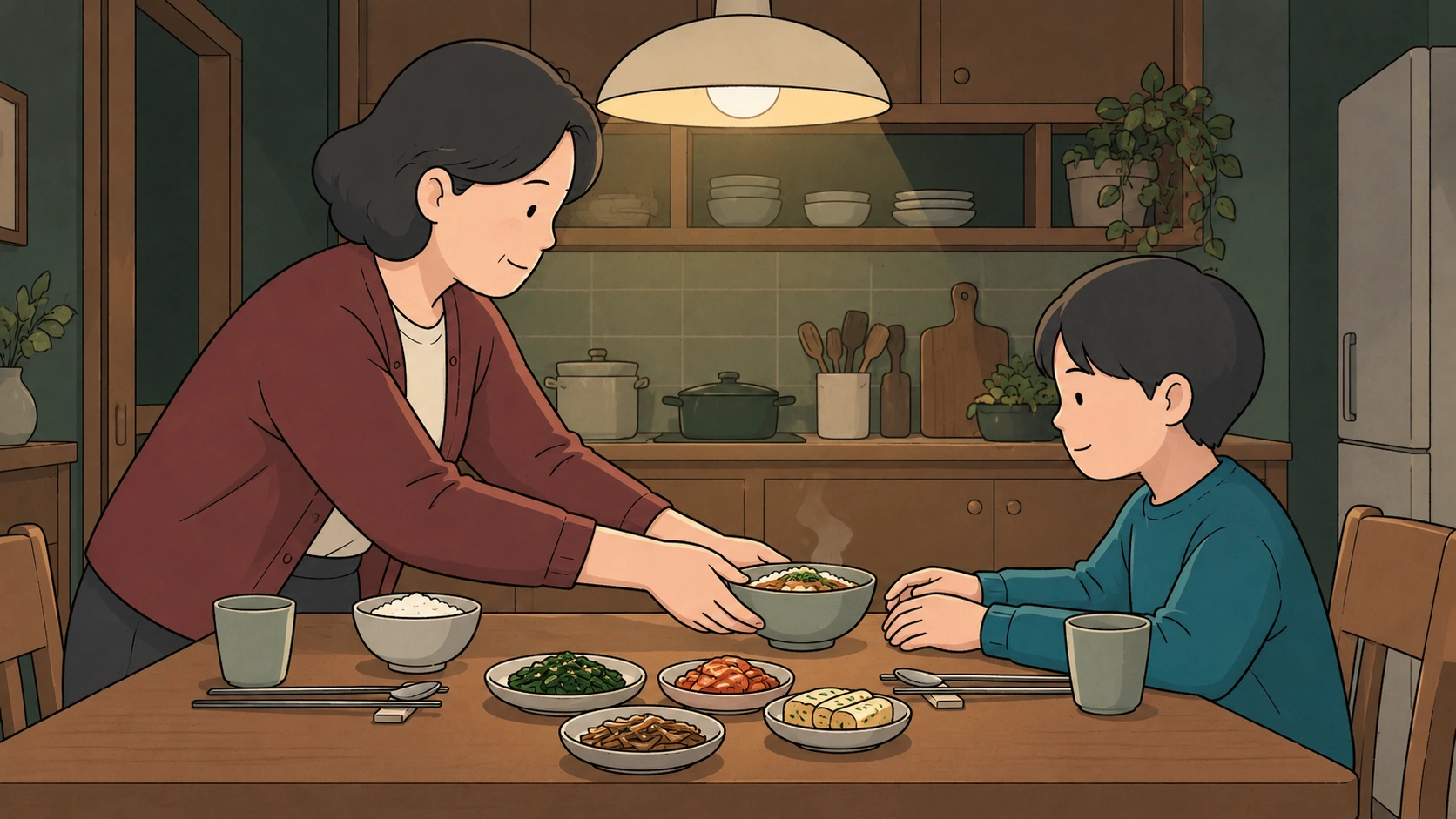
A childhood memory also helps me explain this feeling. It was dinnertime, and my parents were having a big argument. As the argument continued, no meal had been prepared. The woman next door called me over and fed me at her home.
I ate with her children. An elderly couple from another neighboring home went to my parents and told them not to fight in front of their child. These people were neighbors we knew from living in the same neighborhood, not relatives.
There was no grand gift or special promise in that scene. A child next door had no dinner, so a neighbor gave that child a place at her table. Her concern became the practical act of providing a meal.
When the feeling is hard to explain in words, this memory helps. In that relationship, what happened to a neighbor did not feel entirely like somebody else’s business. For me, it meant having dinner with other people that evening.
Everyday Moments a Visitor Might Recognize

During a stay in Korea, you can look at small interactions to understand the word: sitting together and sharing food, briefly helping someone find their way, or making room for someone to join in cheering. These moments do not happen everywhere or all the time.
Asher Ruth P.’s account also described an older person guiding the writer to a destination after they had become lost. At an FC Seoul match, a spectator in the next seat offered half of a cheering scarf for them to hold together. The writer associated that feeling of being welcomed with jeong.
A stranger’s kindness and attachment built over time do not have to be understood in exactly the same way. This visitor felt welcomed in particular moments; I recognized my attachment through the emptiness of being apart from a colleague. We used the same word, but the situations that brought the feeling into view differed.
Someone giving you food or helping you does not immediately establish that they have become attached to you. A single action cannot settle what another person feels. Still, if the care you receive in an unfamiliar place stays with you, it can give you a way into understanding the word.
What Fades, and What Still Stays with Me
When I remember neighbors calling a child over for dinner, I wonder how much of that kind of neighborhood relationship remains today. But one memory does not let me say that attachment has declined across Korea. It also gives me no basis for comparing my old neighborhood with every neighborhood now.
What I do know is that I felt attached to a colleague even after leaving the company. My childhood relationships with neighbors and my relationship with a colleague are different, but both connect to the feelings that remain when people are apart.
To understand jeong, you do not need to search for a special emotion that exists only in Korea. You may also know someone whose absence left an empty space, or someone whose small act of help stayed with you. Thinking of those relationships can bring the Korean expression for growing attached a little closer.
If someone you met in Korea stays on your mind, send a brief message to ask how they are without waiting for a special reason. If they helped you, tell them what you appreciated. Giving that person your attention can come before finding a perfect explanation of the word.
FAQ
What does jeong mean in Korean?
It means a feeling of affection or of being close to someone. You can use it for family, friends, and colleagues as well as romantic partners. In my case, I realized I had grown attached to a colleague when I felt an emptiness after leaving my company.
Do you have to know someone for a long time to develop this attachment?
There is no fixed period. The time you have known someone matters alongside the experiences you share. The visitor introduced here associated shared meals and receiving help during the first two weeks in Korea with this feeling. That is one person’s experience, so it does not mean everyone develops the same feelings at the same pace.
What is miun jeong?
The expression miun jeong helps describe a state in which feelings built up through being together remain even when you feel hurt by or dislike someone. Miun jeong goun jeong refers to attachment that deepens through times of getting along and not getting along. Having that attachment does not mean you have to keep accepting behavior that makes you uncomfortable.