
Uri Meaning in Korean and Why I Still Say “Our Mom”
I grew up saying uri eomma (우리 엄마, “my mom”) without finding anything strange about it. The question of uri meaning only occurred to me after I heard a foreigner on television say the expression sounded odd. I remember thinking, “Oh, I see. It could sound strange.” Nothing in my own conversations had made me pause over it before.
Uri (우리, “we” or “our”) was already part of the words I used every day: uri nara (우리나라, “our country”), uri eomma, and uri appa (우리 아빠, “my dad”). Expressions such as uri eonni (우리 언니, “my older sister,” said by a female speaker) and uri oppa (우리 오빠, “my older brother,” said by a female speaker) were familiar, too. I did not stop to ask why uri came before each one.
Hearing that television comment did not change how I spoke. I still say uri nara when talking about my country and uri eomma or uri appa when talking about my parents. Recognizing that familiar words can sound unusual in another language does not make different words come naturally to me.
Why Someone Living Alone Can Say “Our Home”

When I invite a friend home, I say, “Uri jip gaja!” (우리 집 가자!, “Let’s go to my place!”). I am inviting that friend to the home where I live. We do not have to live together for me to say it.
If you pull uri out of uri jip (우리 집, “my home”) and start counting people, the invitation gets unnecessarily complicated. Heard as a familiar expression, uri jip makes the destination clear: the speaker’s home.
Uri can be used to refer affectionately to someone or something connected with the speaker. That is why someone living alone can call their home uri jip. The expression does not require a housemate or tell you that the home is jointly owned.
My own experience of a foreigner finding this strange was the comment I heard on television. I have not personally had a misunderstanding with a foreigner over these words, and I have no story about signing a lease or paying rent alone to add here.
When you hear an invitation, consider who is asking you to go where. If a friend invites you to uri jip, you can understand it as that friend’s home without assuming your own home is included.
A Boss Can Say “Our Company,” Too

Uri hoesa (우리 회사, “our company”) does not tell you how many people own the business. An employee can use it for the company where they work, and a boss or owner can use it for the company they belong to. The phrase alone will not tell you which role the speaker has.
Belonging somewhere and owning it do not always go together. You can work for a company without holding any shares and still call it uri hoesa. Expressions such as uri ban (우리 반, “our class”), uri tim (우리 팀, “our team”), and uri hakgyo (우리 학교, “our school”) can also describe a group you belong to.
What I can describe from my own conversations is how my choice changes with the listener. With friends, I say uri jip and uri eomma. When talking to older adults or someone senior to me at work, I use jeohui jip (저희 집, “my home,” with a humble form) and jeohui eomma (저희 엄마, “my mom,” with a humble form). I am talking about the same home and the same mother; the person listening has changed.
As you learn uri, keep both questions in mind: what does it refer to, and who is being addressed? Memorizing the words for home, family, and company alone will leave another question when you encounter jeohui (저희, the humble form of uri).
Whose Husband Is “Our Husband”?
People can call their spouse uri nampyeon (우리 남편, “my husband”) or uri anae (우리 아내, “my wife”). In this usage, uri refers warmly to the speaker’s spouse without implying that anyone else shares that spouse. Similarly, hearing uri eomma does not mean you need to check whether you and the speaker are siblings.
In a Reddit discussion for Korean learners, one person asked whether to introduce their wife using jeohui anae (저희 아내) or je anae (제 아내). Replies explained that uri anae is used when talking about family, while “Je anaeyeyo” (제 아내예요, “This is my wife”) is possible, too. The question shows one learner trying to choose both a family expression and a polite way to address the listener.
That single question cannot tell us that every foreigner finds the same thing confusing. It does show why explaining uri before family words can help someone deciding what to say. To understand whose family is being discussed, look at the Korean sentence and its context before substituting the English word “our.”
You do not need to learn nae nampyeon (내 남편, “my husband”) or je anae as forbidden expressions. Explaining where uri sounds natural does not rule out every other way of referring to the same person.
Understanding Uri Meaning Alongside “Jeohui” and “Ul”
Similar words with a different tone
Jeohui is the humble form of uri. It is used to speak humbly about your own side when addressing a guest or someone senior to you. Ul (울, a shortened form of uri) appears in casual speech, as in ul eomma (울 엄마, “my mom”).
With a friend, I say “Uri jip gaja!” and begin a story about my mother with “Uri eommaga” (우리 엄마가, “my mom,” as the subject). With older adults or someone senior at work, I switch to jeohui jip and jeohui eommaga (저희 엄마가). This is a recurring habit of choosing words for the listener, rather than a story about one particular day. I have no separate personal experience of using ul to describe.
Who does “uri” include?
Uri can include both the speaker and the listener, or it can refer to the speaker’s side without including the listener. “Uri duri gaja” (우리 둘이 가자, “Let’s go, the two of us”) includes the person being addressed. If you describe uri ban to a friend in another class, that friend is not included in your class. In uri eomma and uri jip, uri refers to someone or somewhere close to the speaker.
An older listener does not mean every uri must automatically become jeohui. First consider whether you are including that listener or speaking humbly about your own side. When I say jeohui eomma, I am speaking politely about my family without suggesting that the listener and I share a mother.
The same spelling can mean an animal pen
There is also a separate noun uri (우리, “an animal pen”), as in dwaeji uri (돼지 우리, “a pigpen”). It is a different word from uri referring to people. Compare uriga ganda (우리가 간다, “we are going”) with urireul cheongsohanda (우리를 청소한다, “clean the pen”): the surrounding words help you distinguish the meanings. I have no personal story connected with this second meaning.
Where “Uri” Stops and “Nae” Begins
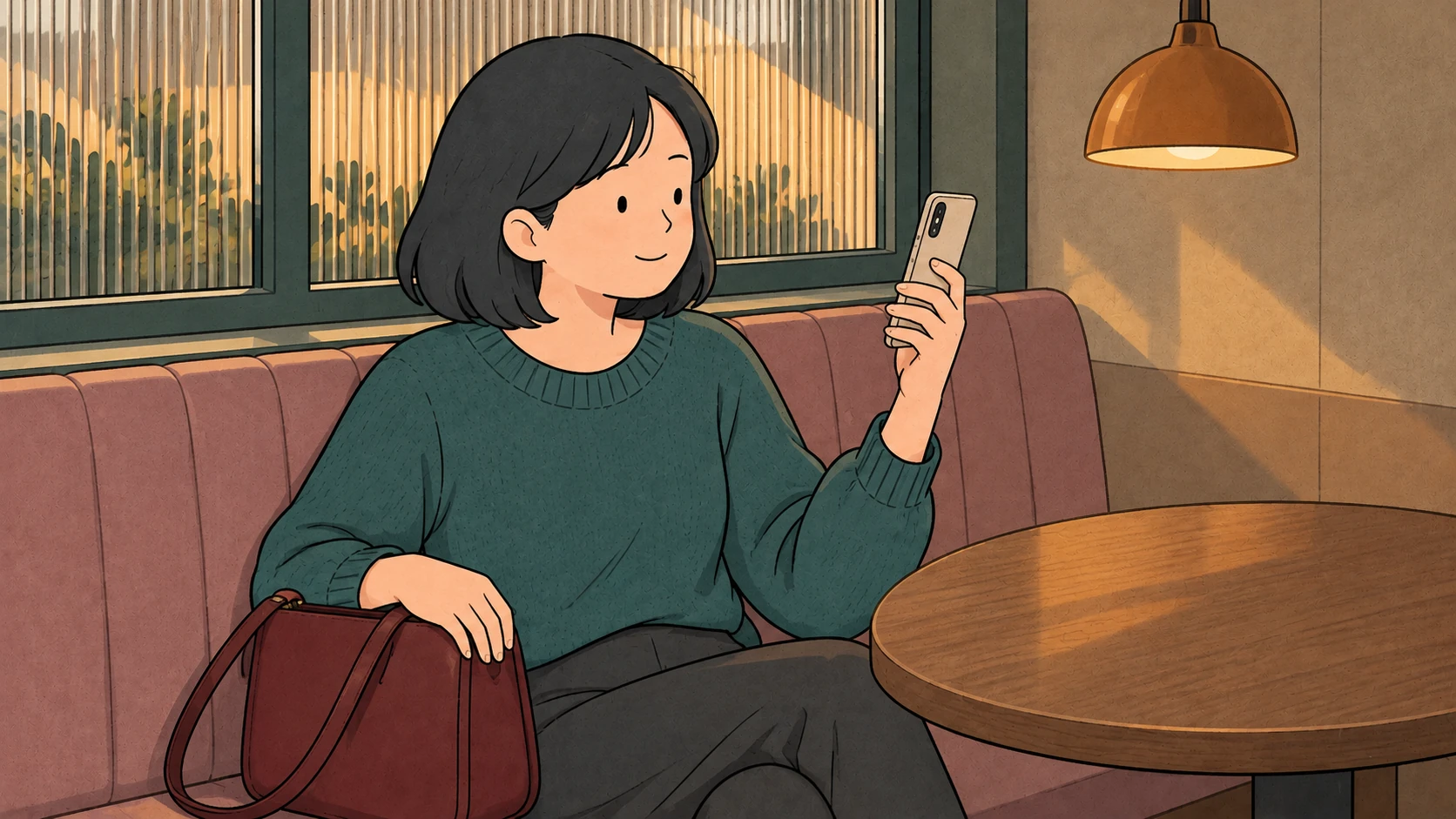
Learning uri does not mean putting it before every possession. For your personal phone or bag, you can say nae hyudaejeonhwa (내 휴대전화, “my mobile phone”) or nae gabang (내 가방, “my bag”). A phone shared by several people could be called uri hyudaejeonhwa (우리 휴대전화, “our mobile phone”), with a different context. The noun alone cannot settle which expression fits.
Nae (내, “my”) is a shortened form of naui (나의). The humble jeoui (저의, “my”) is shortened to je (제). Even where uri expresses a familiar relationship, nae or je may also be grammatically possible. What sounds natural depends on the situation and what you want to say.
So avoid memorizing rules such as “nae jip (내 집, ‘my home’) is only for contracts” or “nae eomma is always wrong.” What I know from my own speech is that uri jip and uri eomma come naturally when I talk with friends. That habit alone cannot explain the personality or culture of every Korean.
Can Foreigners Use “Uri”?
If you speak Korean, you can call your own home uri jip when talking with a friend. Being Korean is not a requirement for using the expression. You can use it in the same way for your family or a team you belong to.
Keep clear whose home or family you mean, though. If you want to talk about your friend’s mother and say uri eomma, it may sound as if you mean your own mother. Use your friend’s name or a phrase such as ne eomma (네 엄마, “your mom”) when that fits the relationship.
Inviting a friend to your home is a good first situation in which to try uri jip. If you need to describe your home more politely, consider jeohui jip. Match the sentence ending to the listener as well, and check who you intend to include in uri.
I still say uri eomma, uri appa, and uri nara, even after hearing that they can sound unfamiliar to someone else. When you hear uri, look first at the relationship the speaker is describing, before trying to work out how many people live together.
Frequently Asked Questions
Does “uri eomma” mean you and the speaker have the same mother?
It can, but it does not necessarily mean that. The expression can also refer affectionately to the speaker’s own mother. If your friend says uri eomma while talking about their family, you can understand it as that friend’s mother.
Can you say “uri jip” if you live alone?
Yes. Uri jip can refer warmly to a place connected with you. Living alone does not mean you have to change it to nae jip. Foreigners can use the same expression when inviting a friend to their own home.
How do you choose between “uri” and “jeohui”?
Jeohui is the humble form of uri, used to speak humbly about your own side. I say uri jip and uri eomma with friends, and jeohui jip and jeohui eomma when discussing my family with older adults or someone senior to me at work. You also need to consider whether the expression includes the listener, so do not automatically replace every uri with jeohui.