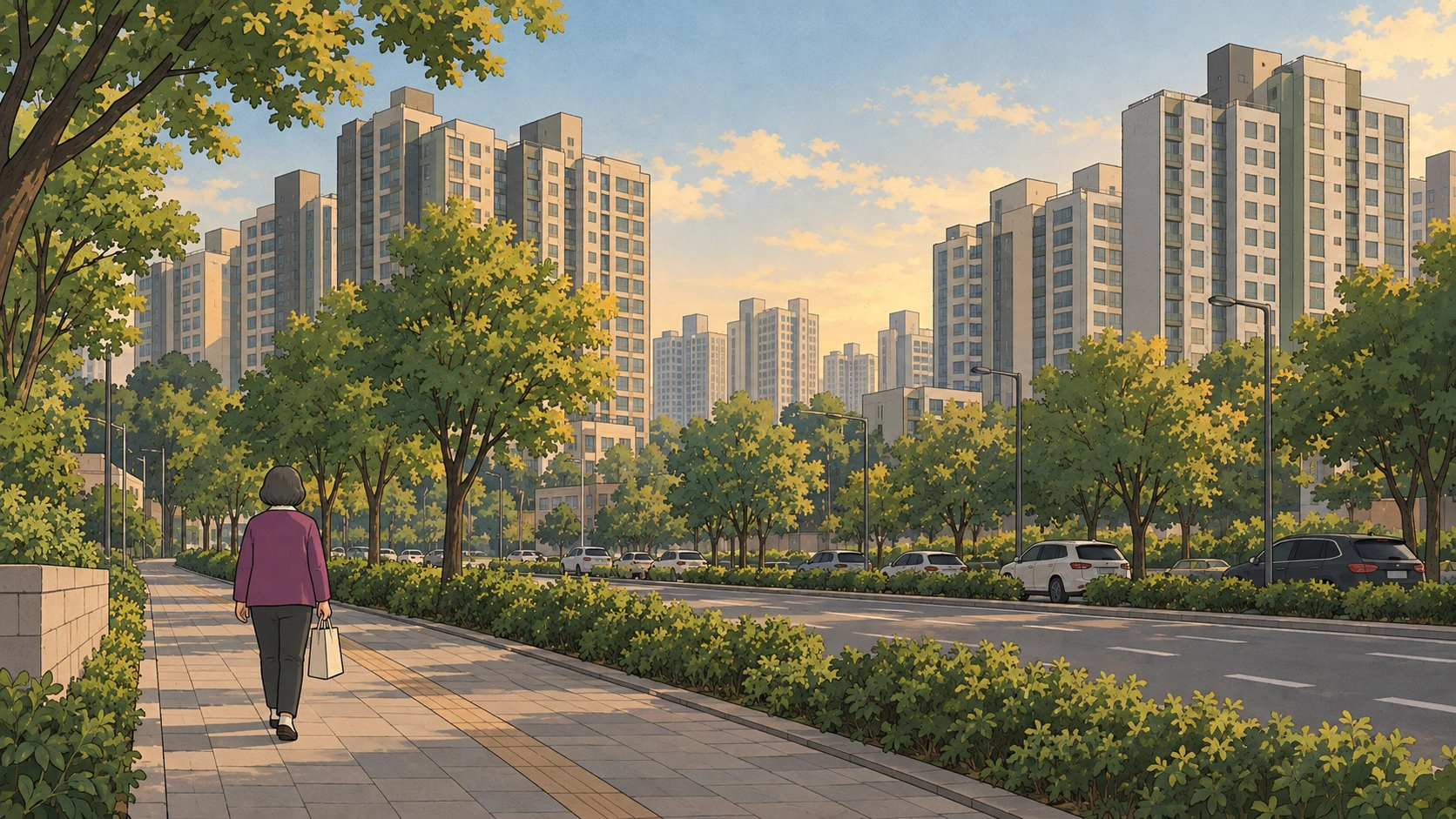
Why Do Apartments in Korea Fill So Much of Seoul’s Skyline?
Rows of buildings of similar heights pass outside the window, followed a little later by another apartment complex. If you are seeing apartments in Korea for the first time, that repetition may catch your attention. Someone on Reddit’s Korea community asked why the buildings look so similar. A familiar kind of home to me was a landscape someone else wanted explained.
I live in an apartment in Namyangju, Gyeonggi Province, but I did not grow up living in apartments all the time. From the 1980s into the early 1990s, I lived in a detached house. When I try to describe the atmosphere back then, the drama Reply 1988 comes to mind. My home today looks different, and looking after it works differently too.
Seoul’s apartment landscape grew out of a need to provide homes quickly for a large population. My reasons for finding apartment life convenient are much smaller than that history, though: whom I can ask for help when pests appear, or whether there is somewhere to park.
Housing Shortages Helped Apartments in Korea Spread
It helps to begin with why so many people came to Seoul. Opportunities for good jobs and cultural activities are concentrated in the city. As people arrive looking for those opportunities, they also need homes. Bank of Korea research on migration between regions connects young people’s movements with differences in expected income and access to cultural and medical services. The capital region discussed in that research includes Gyeonggi and Incheon as well as Seoul.
Seoul has limited land. Building upward and housing several households in one building allows more homes to fit on the same site. That helps explain how apartments became a way to meet the city’s housing demand.
The Seoul Museum of History’s exhibition on apartment life describes housing supply struggling to keep pace with rapid population growth in the 1960s and 1970s. After Mapo Apartments in 1962, apartments emerged as a response to the shortage. Hangang Mansion, the Yeouido demonstration apartment complex, and complexes in Banpo followed in the 1970s.
A complex containing several buildings could provide homes for many households at once. The urgency of that period helps explain the large complexes you see today, although today’s buildings were not all built then.
The scale is measurable too. In the 2024 Population and Housing Census, apartments accounted for 65.3% of housing units nationwide. That figure describes types of housing across Korea. It is neither a Seoul-only figure nor the percentage of Korean people living in apartments.
Similar exteriors do not mean every home is identical. In the Reddit discussion, one commenter pointed out that buildings within the same development may resemble each other, while builders and construction periods introduce differences. The person asking noticed repetition; someone replying noticed the variations.
Sharing the Work I Used to Handle in a Detached House
The same explanation cannot account for apartments everywhere outside Seoul. Other regions need to be considered separately from the movement of people into the capital. The ease of maintenance I appreciate is one possible reason to choose an apartment elsewhere too. Wanting less responsibility for looking after a house is hardly limited to Seoul.
If you ask whether I find an apartment more convenient than a detached house, my answer is yes. Maintenance comes to mind first. With a problem such as cockroaches in a detached house, I have to deal with it myself. Finding the cause and deciding what to do are my responsibility.
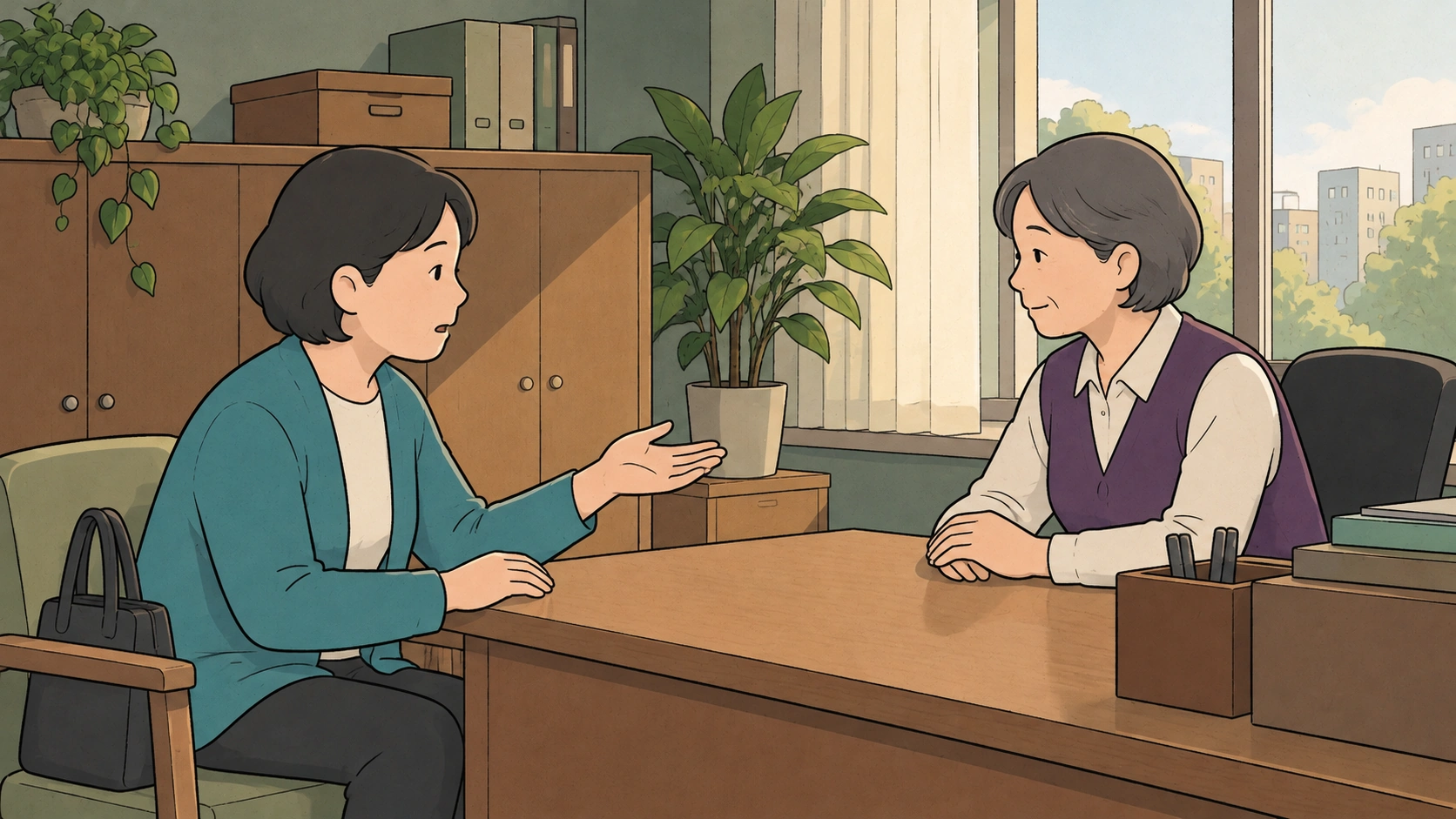
Apartment complexes often have a management office that handles maintenance. That does not mean someone will solve every problem inside your home. Still, compared with managing a house on my own, having somewhere to ask for help makes a considerable difference. That is the convenience I mean.
Parking matters too. Comparing the homes I have lived in, there was more room to park at the apartments than at the detached houses. I cannot extend that experience to say every complex has plenty of parking. For me, less maintenance work and more parking space are both advantages of apartment life.
Management fees and parcel arrangements need to be checked at the particular complex. I have no personal account to add here about the amount of my fees or where I collected deliveries. If you are renting an apartment for a short stay, ask your accommodation what the fees include and where parcels are received. Having a management office does not automatically mean it accepts every delivery.
Foreign residents describe some similar conveniences. In a Reddit discussion about apartment life in Korea, a commenter who said they had moved back to the United States wrote that the buildings had felt lifeless while they lived there. After leaving, they missed the convenient location and having shops downstairs. Another commenter mentioned low maintenance and nearby amenities as advantages. Their living arrangements were not necessarily the same as mine. Someone can dislike a building’s appearance and still miss the ease of living inside it.
A Convenient Home Can Still Be Hard to Live With When It Is Noisy
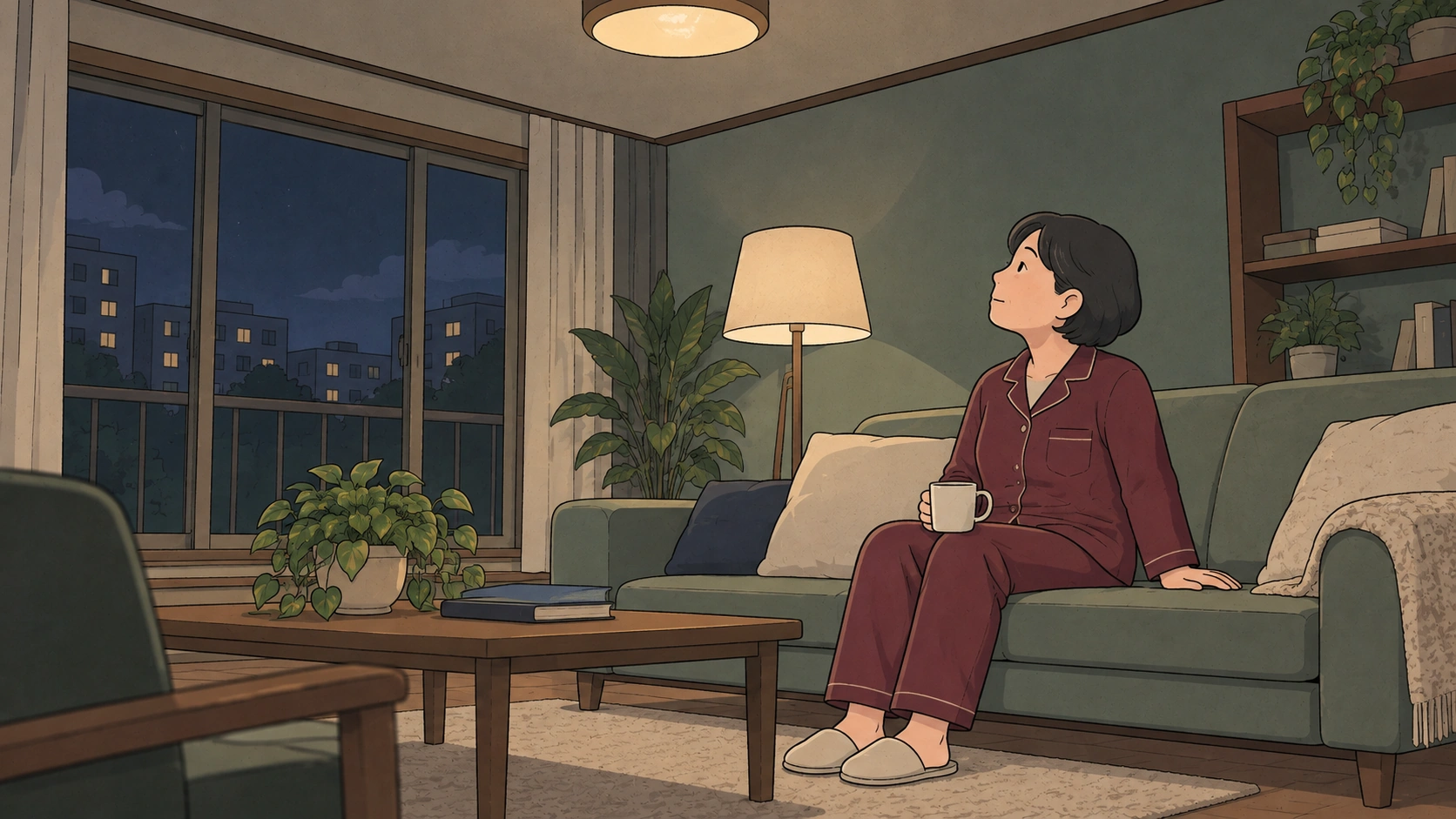
Apartment life has not always been satisfying for me. Noise between floors has been the hardest part. Running upstairs, or singing and partying downstairs until late at night, could drive me mad.
A brief sound during the day feels different from noise that continues late into the night. Even inside my own home, someone else’s life comes through the walls and floors. Easier maintenance and more parking do not make that irritation disappear.
That is why I can call apartments convenient and still have strong complaints about noise. Ask what works well, and I will talk about maintenance. Ask what bothers me, and the sounds from upstairs and downstairs come first. Both answers describe my experience of the same kind of home.
Noise varies between homes, however. In the foreign-resident discussion, one commenter said they could barely hear their neighbors. My experience should not stand in for the sound insulation of every Korean apartment. When choosing somewhere to stay, look through recent reviews for mentions of nighttime noise.
For My Family, It Is a Home and an Asset
My family lives in an apartment, and we also think of it as an asset. Among people around me, treating a home as both a place to live and part of one’s wealth feels quite ordinary. That is why conversations about apartments extend beyond everyday convenience.
From outside the window, ours might look like another similar building. To us, it is where we live and an asset our family holds. Those two aspects are difficult to separate.
This does not mean all Koreans own apartments, or that buying one guarantees an increase in wealth. What I can say is that my family lives with both ideas. A history of housing supply alone leaves out this way of looking at the homes people occupy today.
Living Close Together Does Not Tell You How Well Neighbors Know Each Other
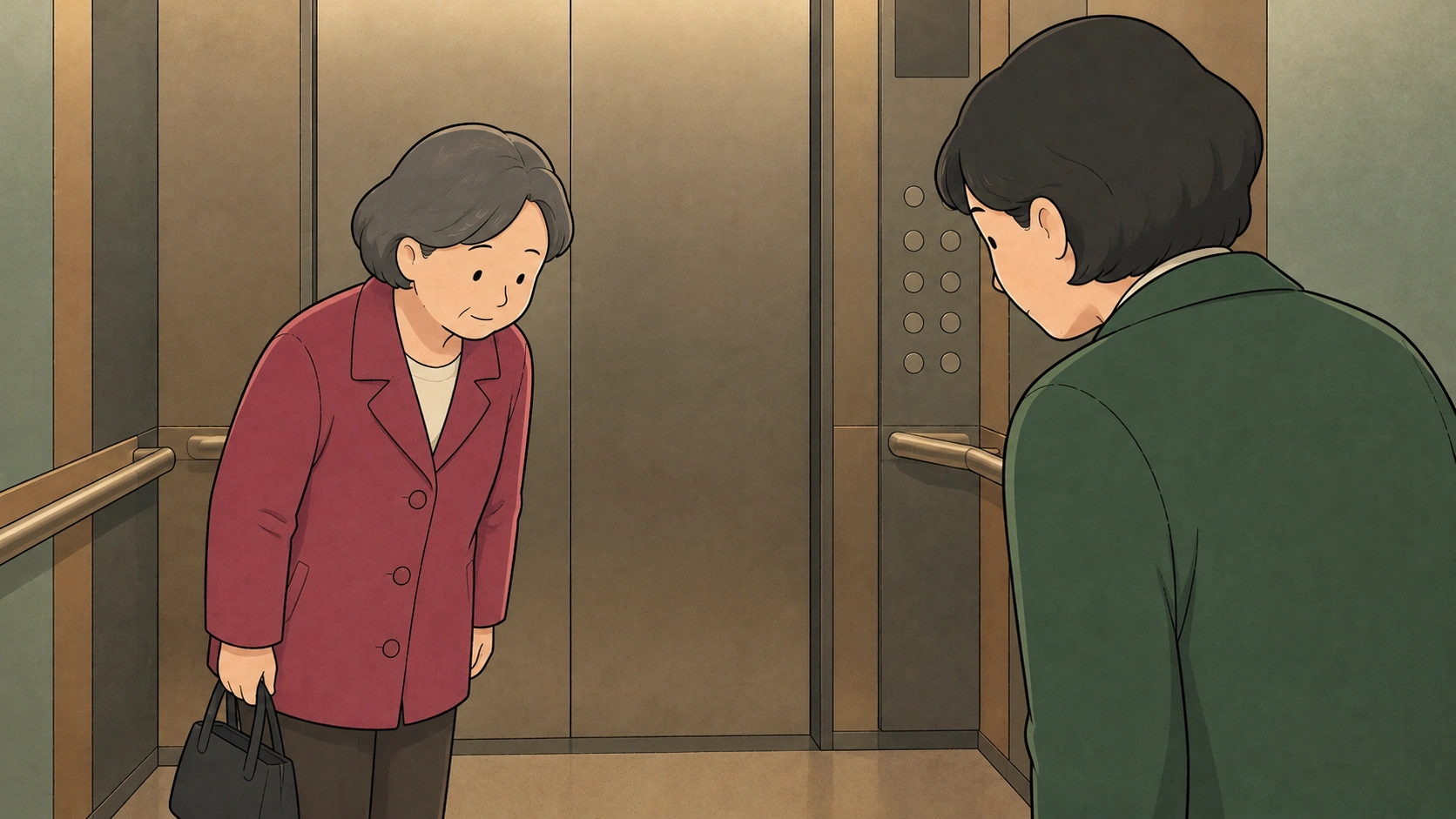
When I first moved into an apartment, I often spent time with neighbors and we visited one another. These days, I generally exchange greetings with the person across the hall only when we meet in the elevator. The way I encounter my neighbors has changed that much.
Our doors are close, but we do not regularly go back and forth between homes. We see each other in the elevator, say hello, and head inside. Sharing a building tells you little about how much people know of one another’s daily lives.
I would not turn that into a rule that neighbors in Korean apartments never socialize. I have lived through a period of visiting neighbors and the quieter arrangement I have now. You cannot read those relationships from the buildings outside.
What to Know When You Visit a Complex
If you want to look at an apartment complex, remember that people live there. Building numbers, entrances, and the location of shops help distinguish buildings that initially look alike. If you are visiting someone, get the building number and the correct entrance beforehand, along with the complex’s name.
A path leading into a complex does not establish that every area is open for you to explore. Read the access notices, and contact your host at the shared entrance to a residential building. If the door is locked, do not follow another person inside to get around it.
Check the signs before treating playgrounds or residents’ facilities as public parks or tourist facilities. If you are heading to a shop beside the complex, locate it on your map and find its customer entrance. Distinguishing shop access from residential entrances saves unnecessary wandering.
When taking photographs, keep to the broader streetscape rather than close views of residents’ faces or windows that reveal their homes. Ask your host for the building number and entry instructions first, then follow the notices on site.
FAQ
Why are there so many apartments in Seoul?
A major reason is the history of providing homes for a rapidly growing population. The Seoul Museum of History describes housing shortages in the 1960s and 1970s alongside the spread of apartment complexes. The convenience of maintenance and parking that I have experienced also helps explain apartment life.
Do most Koreans live in apartments?
The 2024 figure used here means apartments made up 65.3% of housing units nationwide. You need to distinguish that from the proportion of people or households living in them. Other forms of housing include detached houses, which I lived in as a child.
Is an apartment more convenient than a detached house?
In my experience, having somewhere to ask for maintenance help and more parking space made life easier. Noise from upstairs and downstairs was difficult, though. When choosing somewhere to stay, check recent noise reviews as well as the management arrangements.
Do Koreans see apartments only as investments?
For my family, an apartment is both the home we actually live in and an asset. Either description alone would be incomplete. My experience cannot establish what all Koreans own or how they approach investment.
Can travelers enter apartment complexes?
Start by checking the access information for the place you are visiting. Distinguish shared residential entrances and residents’ facilities from shops. If you are visiting someone, ask them for the building number and entry instructions beforehand. Do not follow someone through a locked door.