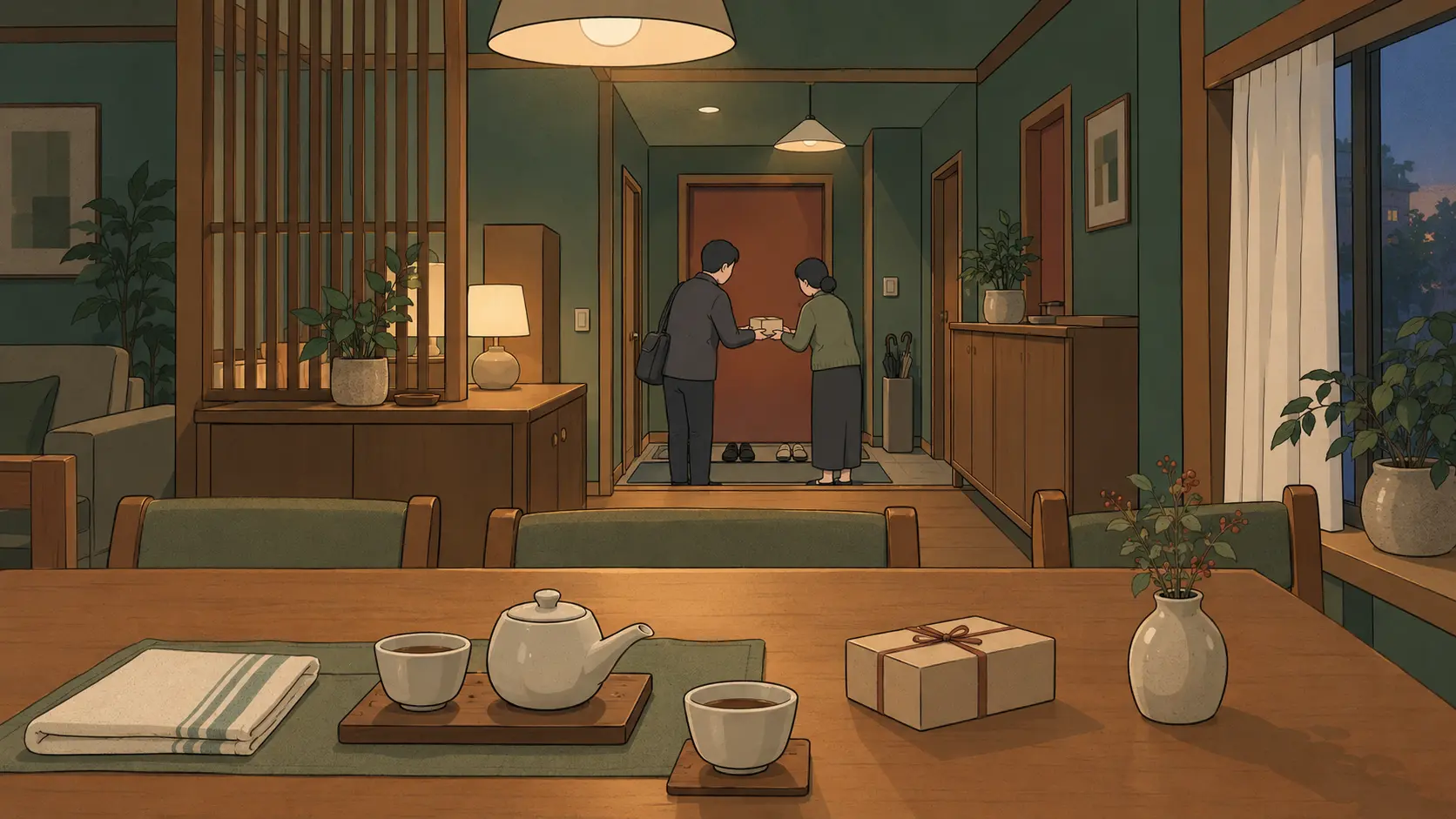
How Two-Handed Giving and Receiving Works in Korean Etiquette
My hands usually move before I name the Korean etiquette behind them. When my mother asks for scissors, I turn the handles toward her, hold them in one hand, and support that wrist with the other. Only after explaining the gesture did I realize why ‘use two hands’ can sound simpler than it feels.
In my daily life, these are not competing versions of the same rule. My hands move differently when I receive something from an older person and when I give something to them. They also change depending on whether I am with a friend, a supervisor, a close coworker, or someone I have just met.
“Always use two hands” is useful advice, but it leaves out how the gesture works in ordinary Korean relationships. Two hands can show respect. Simply arranging your hands correctly does not make every interaction polite.
When I Receive Something, Both Hands Hold the Item
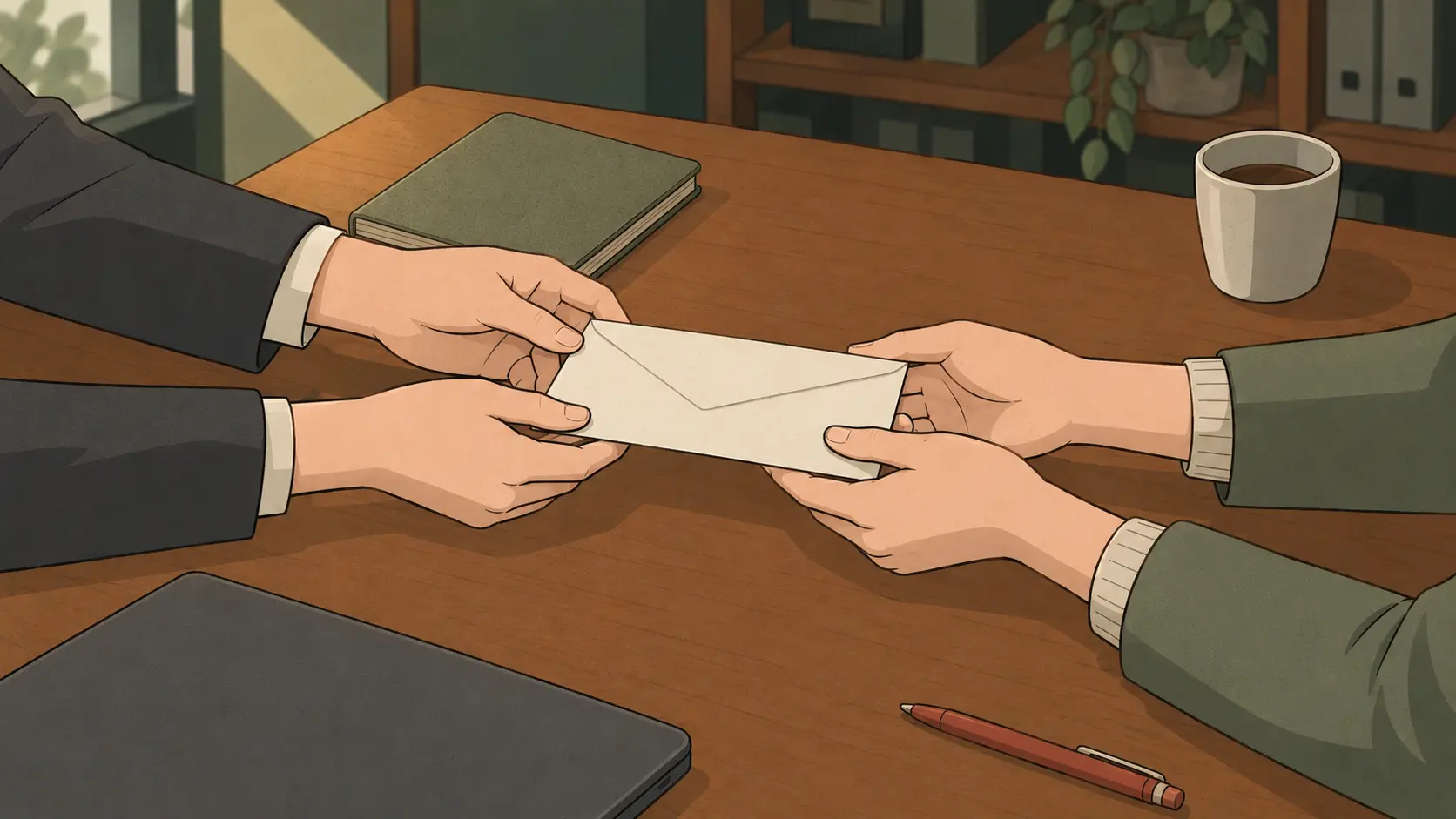
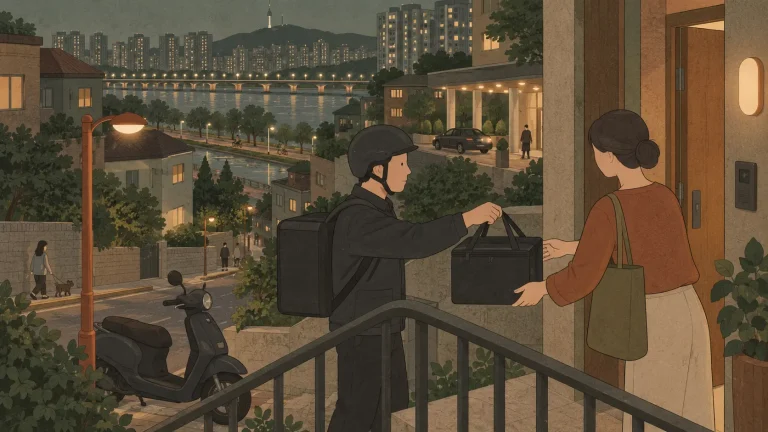
When an older person gives me something, I reach toward it with both hands and receive the item in both of them. One hand does not take the object while the other stays idle. Both hands participate as I accept it and bring it toward me.
For me, this is the clearest meaning of receiving something with two hands. The gesture continues through the transfer. It is not a quick flash of the second hand before one hand takes over.
Giving something to an older person looks a little different. I hold the item in one hand and place my free hand beneath that wrist. The hand holding the object and the hand supporting it move forward together.
That is how I separate the two motions in practice. I receive an older person’s item in both hands. When I give an item to them, one hand holds it while the other supports the wrist below.
The Scissors I Hand to My Mother
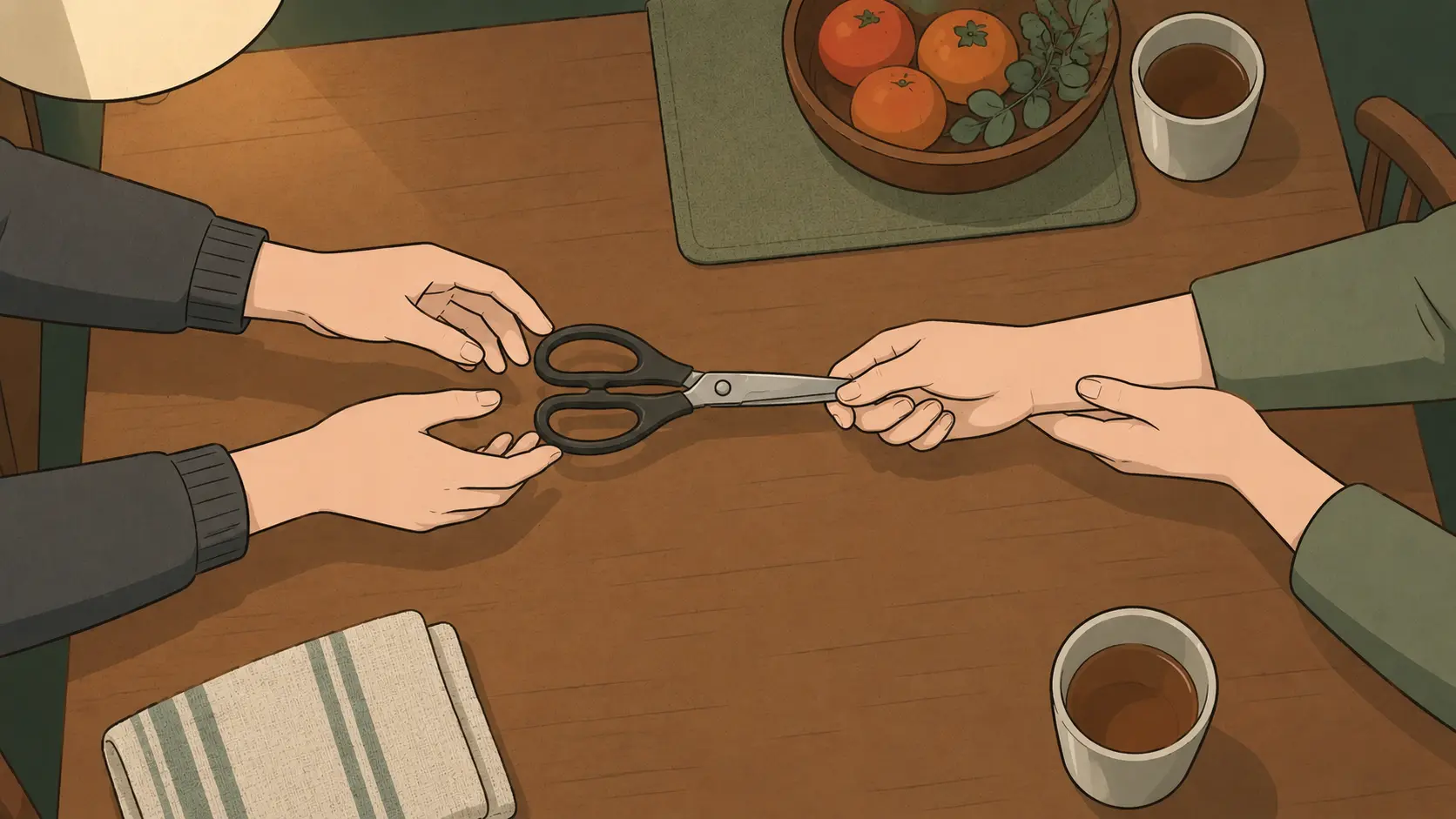
This gesture does not appear only at ceremonies or formal meetings. I use it frequently at home. If my mother asks me to pass her a pair of scissors, my hands move before I stop to think, “Time to demonstrate proper etiquette.” Apparently, they do not clock out from manners just because I am home.
First, I turn the scissors around. The handles face my mother so she can take them immediately, while the blades point toward me. This keeps her from having to reach for the sharp end.
I hold the scissors out with one hand. My other hand does not grip the scissors; it rests beneath the wrist of the hand holding them. My mother can then take the handles facing her.
Two kinds of consideration meet in this brief exchange. Turning the blades toward myself makes the scissors safer and easier for her to receive. Supporting my wrist shows courtesy to an older family member. If I focused only on displaying two hands, I could end up holding the handles she needs to take.
This is why the scissors make the gesture easier to picture. “Use two hands” does not tell you where each hand goes. Imagine the handles facing the receiver, the blades facing the giver, and the giver’s free hand supporting the wrist below.
Family, Friends, and Supervisors Do Not Get the Same Gesture
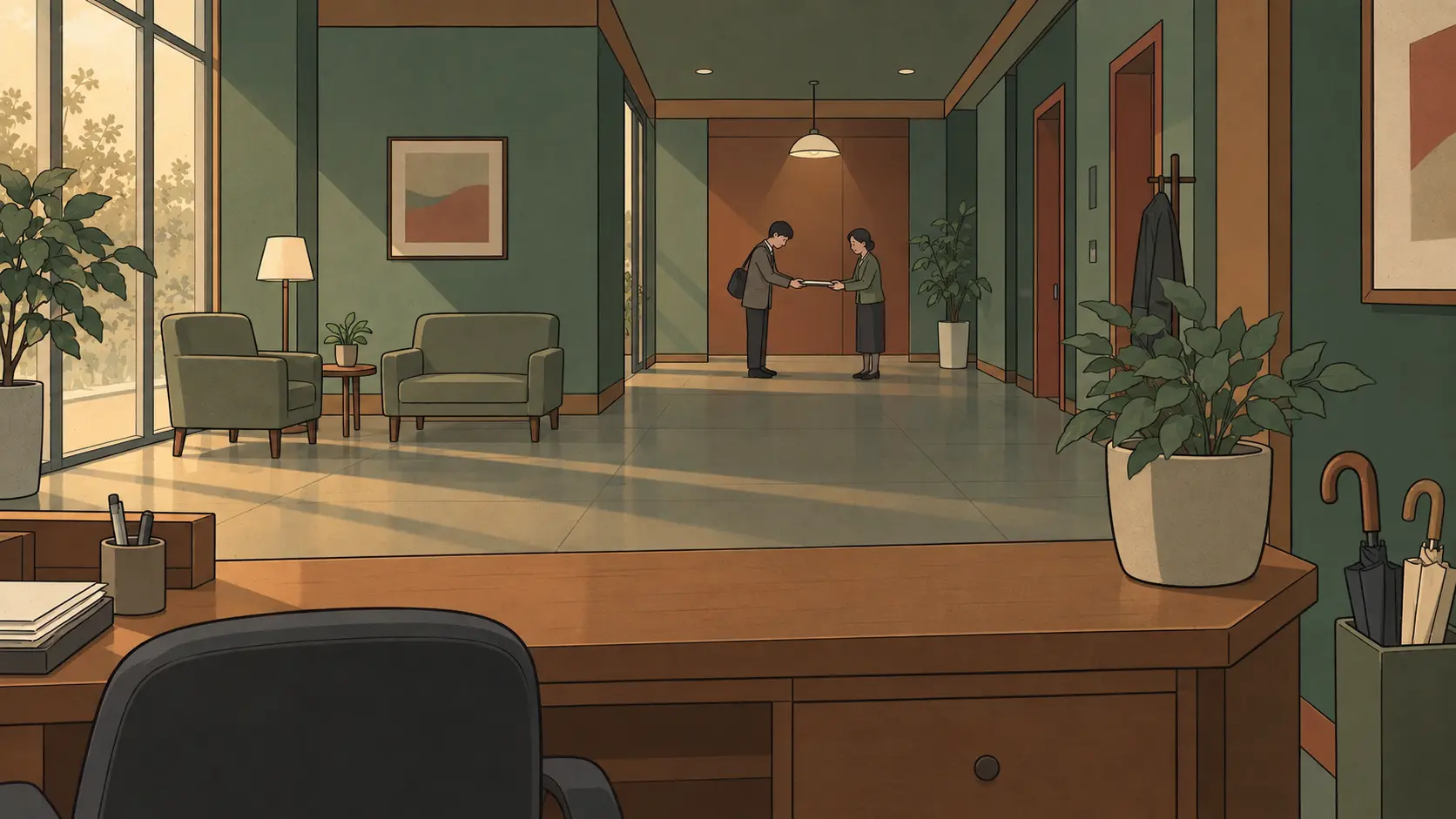
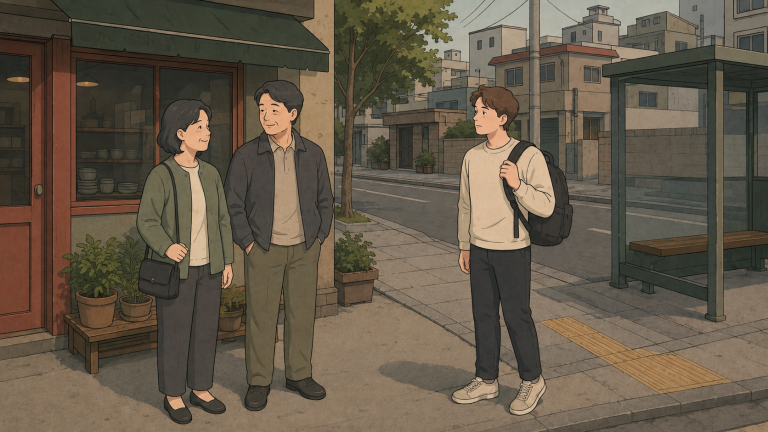
Imagine that I am giving someone a present. If the recipient is an older member of my family, I use two hands. Even within one family, the gesture changes according to who is giving and who is receiving.
A small age difference does not automatically make the exchange formal. If a relative is only a year or two older and we interact like friends, I may simply pass the gift with one hand. Our actual relationship affects the movement along with age.
With friends, I do not use two hands to exchange ordinary items. Passing something back and forth is casual in those relationships. I hand it over with one hand in the way that feels normal between us.
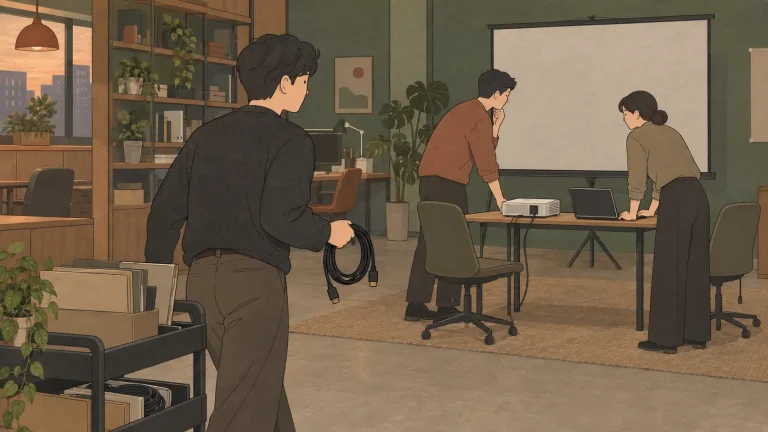
At work, I use both hands with a supervisor. I give things with two hands and receive them with two hands. I do the same with someone I am meeting for the first time.
The gesture can loosen again with a coworker. If we are close and there is not a large age difference, the way we exchange things may become more casual. Familiarity changes what feels appropriate.
Age alone does not decide what my hands do. I also read seniority, familiarity, and whether this is our first meeting. Using two hands lets me raise the level of courtesy to fit that relationship.
One Hand Does Not Automatically Offend Me
I have never felt offended simply because someone handed me something with one hand. I do not see one hand and immediately decide that the person is rude. They may have been busy, and I let it pass.
If the situation does not seem to explain it, I might think that the person was never taught this kind of etiquette. Even then, that thought stays in my head. I have not confronted someone over the number of hands they used.
I would be even more understanding with a visitor from another country. If you are a foreigner and hand something to an older Korean with one hand, that person is unlikely to scold you. Few people expect visitors to know every Korean custom or insist that they perform each one perfectly. Missing the gesture is not a social disaster.
What matters more to me is the manner surrounding the hands. Holding something in both hands does not complete the job if the rest of the interaction lacks courtesy. The correct pose cannot carry an inconsiderate attitude by itself.
The reverse can also be true. If someone has only one hand available but their expression and behavior show respect, I can understand the situation. The difference between one hand and two still has meaning, but it is not my only measure of someone’s manners.
Travel advice can make this custom sound as if everyone is counting hands. In a real exchange, the hands arrive with a face, a posture, and a way of presenting the object. Koreans see the whole moment.
What I Do When One Hand Is Busy
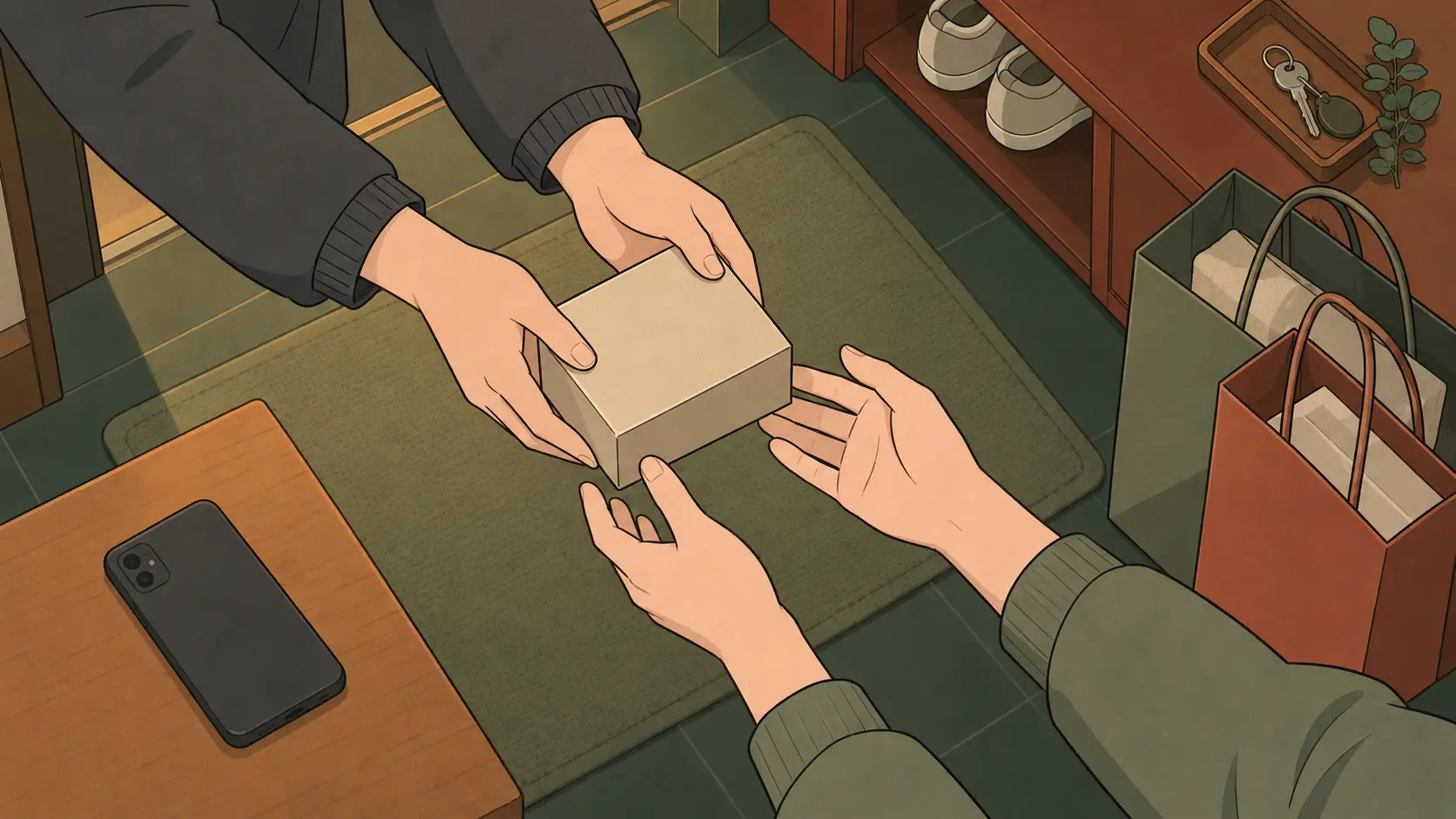
A phone call can make it difficult to use both hands immediately. In that situation, I briefly stop speaking to the person on the call and use both hands to pass the item. I am not saying that I hang up. The call remains connected; I pause the conversation only for the short moment when I hand the item over.
Once the exchange is finished, I continue the conversation. For those few seconds, my attention shifts from the voice on the phone to the person standing in front of me. That small pause is visible in the way I handle the object.
I do something similar when carrying bags. If possible, I put the bags down for a moment and free both hands before passing the item. I change the situation first instead of rushing through the exchange with the only hand available.
Sometimes pausing or putting everything down may be difficult. I do not think the answer is to force a two-handed pose while nearly dropping what I am carrying. In that case, my facial expression and behavior still need to show courtesy.
The hands and the attitude remain connected. When I can free both hands, I do. When I truly cannot, I make sure that using one hand does not come with a careless manner.
Foreign Residents Who Look More Formal Than I Do
My examples did not come from a conversation with a visitor or from watching someone make a mistake in front of me. They came from television. I saw foreigners who had lived in Korea for a long time shaking hands with both hands or using two hands to pass an object.
Their motions looked even more formal than mine. I use one hand with friends and can be casual with close coworkers. The foreign residents on screen made the two-handed gesture very clearly.
It was interesting to see someone from abroad observe the custom more carefully than I sometimes do. Koreans relax the gesture in familiar relationships, while long-term foreign residents can become very comfortable with it.
If you hesitate during an exchange in Korea, use both hands with an older person or someone you have just met. Receive the object in both hands. When giving it, hold the object in one hand and support that wrist with the other. Keep your expression and manner respectful, and the gesture will feel much more natural.
Frequently Asked Questions
Is it rude to give something with one hand in Korea?
It depends on the person and the situation. I use one hand with friends, relatives who are only a year or two older and feel like friends, and close coworkers of a similar age. I use two hands with older relatives, supervisors, and people I have just met. I have never been offended solely because someone used one hand. The person may have been busy or may never have learned the custom. Their expression and behavior also tell me whether they are trying to be respectful. If you are a foreigner, an older Korean is unlikely to reprimand you for handing over an item with one hand. Few people demand perfect Korean etiquette from visitors. Think of two hands as an easy way to appear more courteous, not as a test you will fail after one mistake.
Should I hold the object with both hands or support my wrist?
I use the two motions in different directions. When receiving something from an older person, I hold the item in both hands. When giving something to them, I hold it in one hand and support that wrist from below with my other hand. I use the second motion when handing scissors to my mother. The handles face her, the blades face me, and my free hand supports the wrist holding the scissors.
What should I do if I cannot use both hands?
If I am on the phone, I pause the conversation without ending the call and use both hands for the exchange. If I am carrying bags, I put them down briefly when I can. Both choices free my hands for the person in front of me. When neither is practical, I pay closer attention to my expression and behavior. Using one hand is easier to understand when the rest of the interaction clearly shows respect.