Why Do Koreans Use Metal Chopsticks?
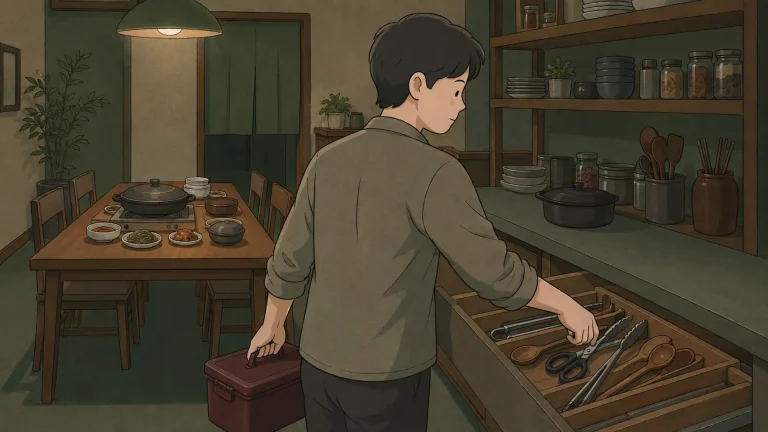
Why do Koreans use metal chopsticks? I have used them since I first learned to handle chopsticks as a child. I cannot remember the moment I first held a pair, because I learned with metal ones from the beginning. There was no switch from wooden chopsticks that I can look back on.
That does not mean metal chopsticks always feel comfortable. Wooden ones feel easier to me, and some side dishes still give me trouble with the metal pair I have used all my life. Why Koreans use them and how comfortable they feel to a beginner are separate questions. My own meals help explain that difference.
Why do Koreans use metal chopsticks today?
Metal chopsticks have a long history of use in Korea. In the past, chopsticks made from expensive materials such as gold and silver were used at the royal court, while wooden and brass chopsticks were also used. The stainless steel pair familiar today does not need to be treated as the same object as an old royal silver pair. Materials and prices changed while the practice of using metal eating utensils continued.
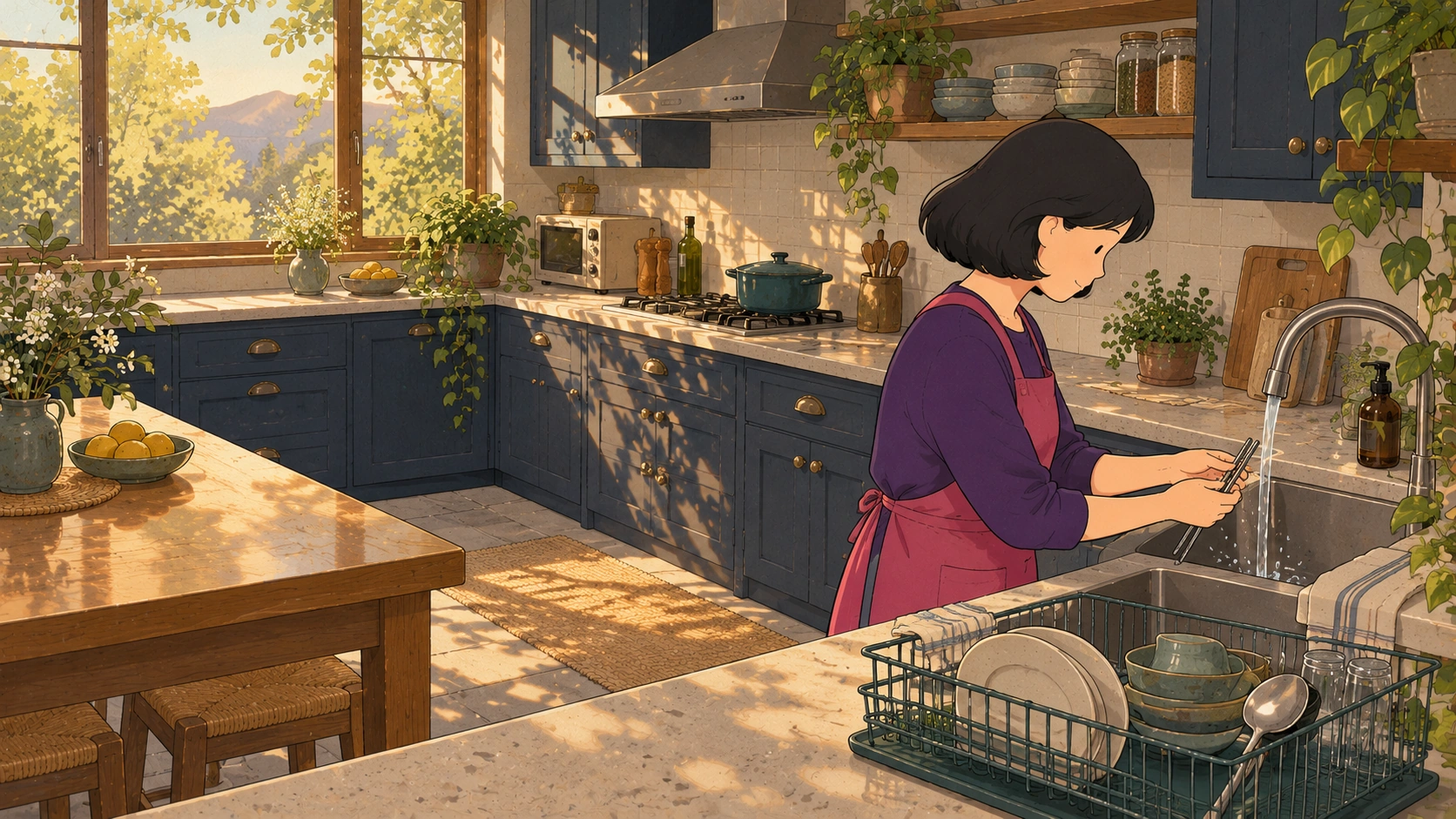
Modern metal chopsticks also have practical advantages: they are durable and convenient to wash and reuse. Taken together, that tradition and the usefulness of modern materials explain why picking up food easily is only part of the story.
My reason for continuing to use them is simpler and much closer to home. They are the utensils I learned with, and after using them less for a while, I found them difficult again.
Even after a lifetime of practice, the beans are difficult
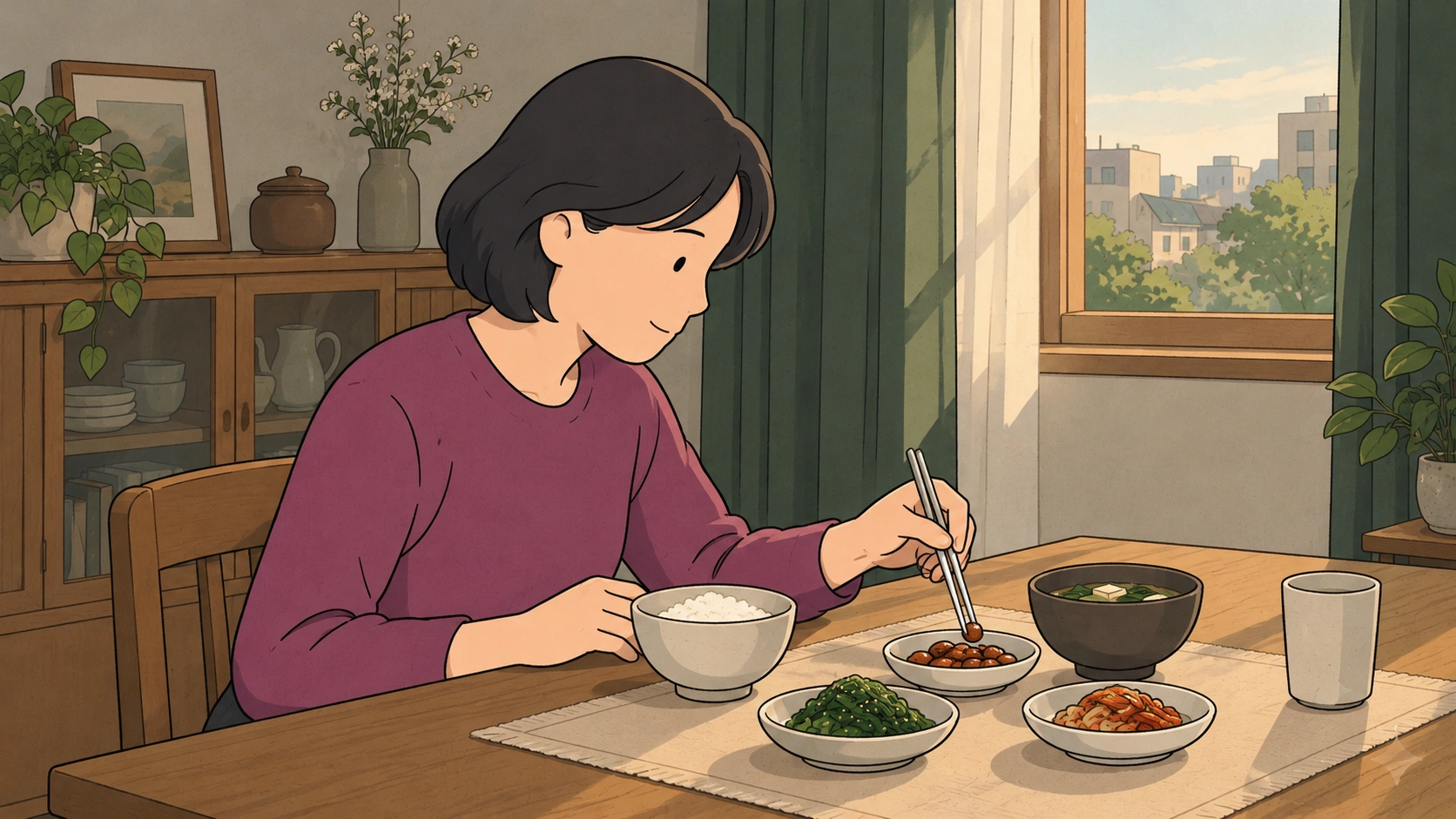
There is a side dish called kongjang (콩장), beans seasoned with soy sauce. Those beans are quite difficult for me to pick up with metal chopsticks. With other side dishes, I can eat without paying much attention to the chopsticks themselves. With kongjang, the act of getting hold of the food starts taking up my attention.
Learning with metal chopsticks as a child did not make me skilled at picking up every food. There are still difficult things on the table, even with familiar utensils. If you are struggling with a small bean, I can tell you that I struggle too, despite being Korean.
Kkaennip (깻잎), perilla leaves, present a different problem. When I want to eat one leaf, separating it from the others with my chopsticks is difficult on my own. The beans require me to get hold of something small; the leaves require me to separate things that stick together. Years of using chopsticks have not made either inconvenience disappear.
That is also why I think of the “perilla leaf debate,” the relationship debate about helping someone separate a leaf. Before I even get to the relationship question, I think about how difficult those leaves are to separate alone. Someone’s help can become a whole topic of discussion because the simple act of taking one leaf is awkward. Perilla leaves make it difficult for me to describe metal chopsticks only in terms of convenience.
I used wooden chopsticks for a while because they felt easier
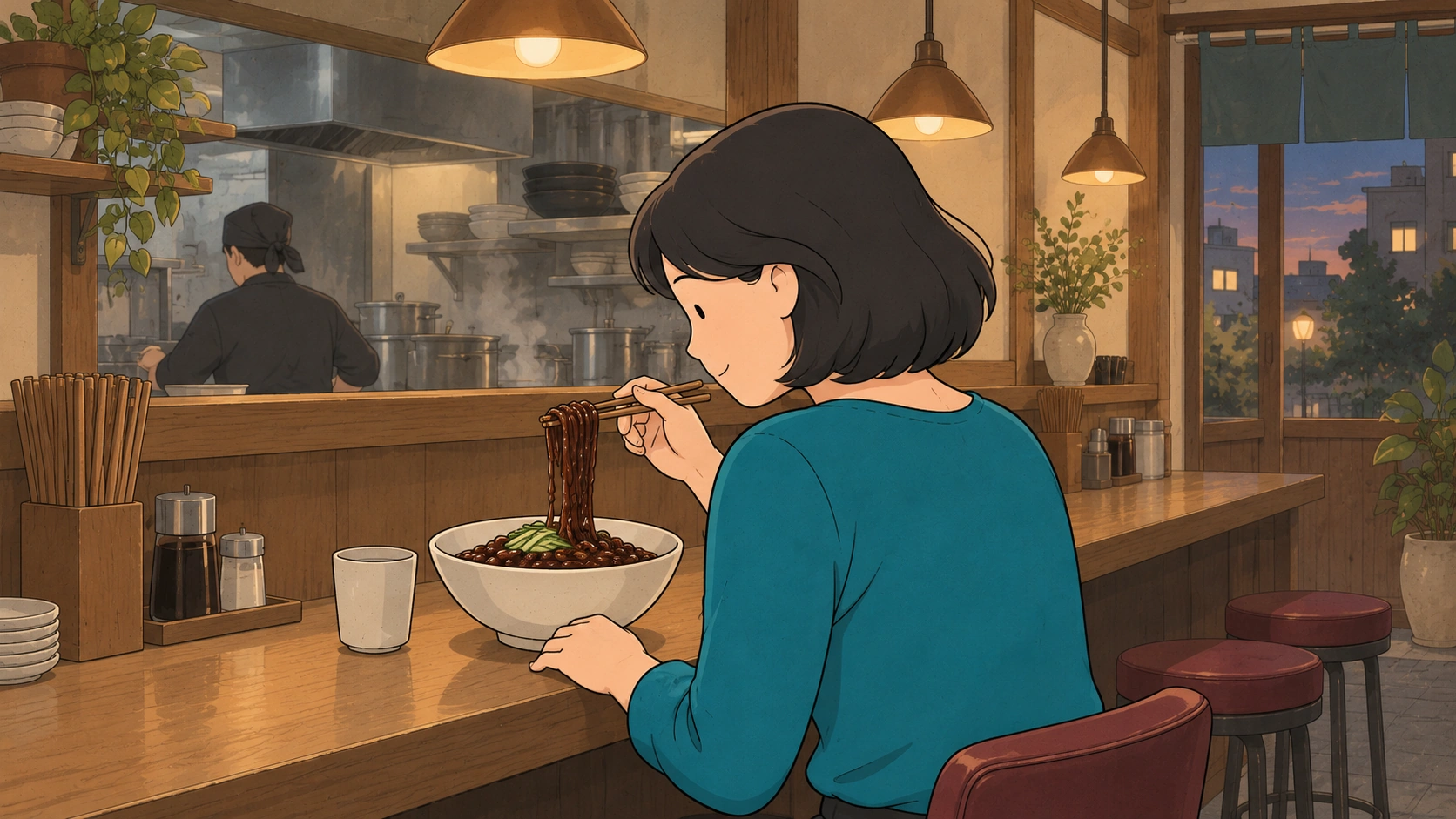
I tend to use wooden chopsticks for jjajangmyeon (짜장면), noodles with black bean sauce, and ramyeon (라면), Korean instant noodles. With delivery food, the place where I eat makes a difference. At home, I usually use metal chopsticks; away from home, I use wooden ones.
Being Korean does not mean insisting on metal chopsticks at every meal. At least in my meals, I move between the two kinds depending on the food and the place. The utensils I reach for with noodles are not always the ones I use for delivery food at home.
If you ask which feels easier in my hand, I would choose wooden chopsticks. I also used them for a period during my middle and high school years. After that, however, metal chopsticks became difficult to use. They were the utensils I had first learned with, but spending time without using them made them feel less comfortable than before.
That is why I now try to use metal chopsticks whenever possible. I can use wooden ones; I am trying to keep the familiarity that lets me continue using metal ones too. In my case, what I had been using regularly affected how comfortable my hands felt, regardless of which material someone might consider better.
The difficulty I saw at the next table
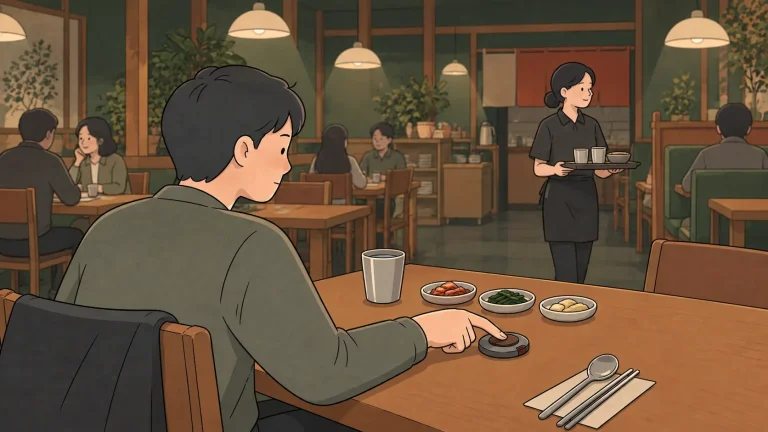
Once, while eating at a restaurant, I saw Indonesian women at the next table struggling to eat with metal chopsticks. That is the scene I have personally witnessed of visitors having trouble with them. I do not remember it in enough detail to add what food they were trying to pick up.
I did not approach them to teach them how to use chopsticks or bring them different utensils. I just watched. Even I could not immediately think of how to help someone with their chopstick technique. Having an experienced user nearby did not automatically make another person’s hands comfortable.
Experiences shared online do not all point in one direction either. In Reddit’s Korea and Korean food communities, some commenters describe flat metal chopsticks as difficult or say wooden ones feel easier. Other commenters in both communities prefer metal chopsticks. These comments cannot tell us how all travelers react or what proportion prefer each kind.
One American commenter who said they had visited Seoul wrote that Korean chopsticks were difficult at first, but they got the hang of them toward the end of the trip. Another commenter encountered metal chopsticks through a visit to Seoul and, after practicing, came to prefer them over wooden ones because they were sturdy and slim. Those are two people’s experiences, with no promise that everyone will become comfortable at the same speed.
I have also found metal chopsticks difficult after using wooden ones for a while. Finding them uncomfortable at first is an experience I can understand from my own meals.
Arranging and using utensils at a Korean table
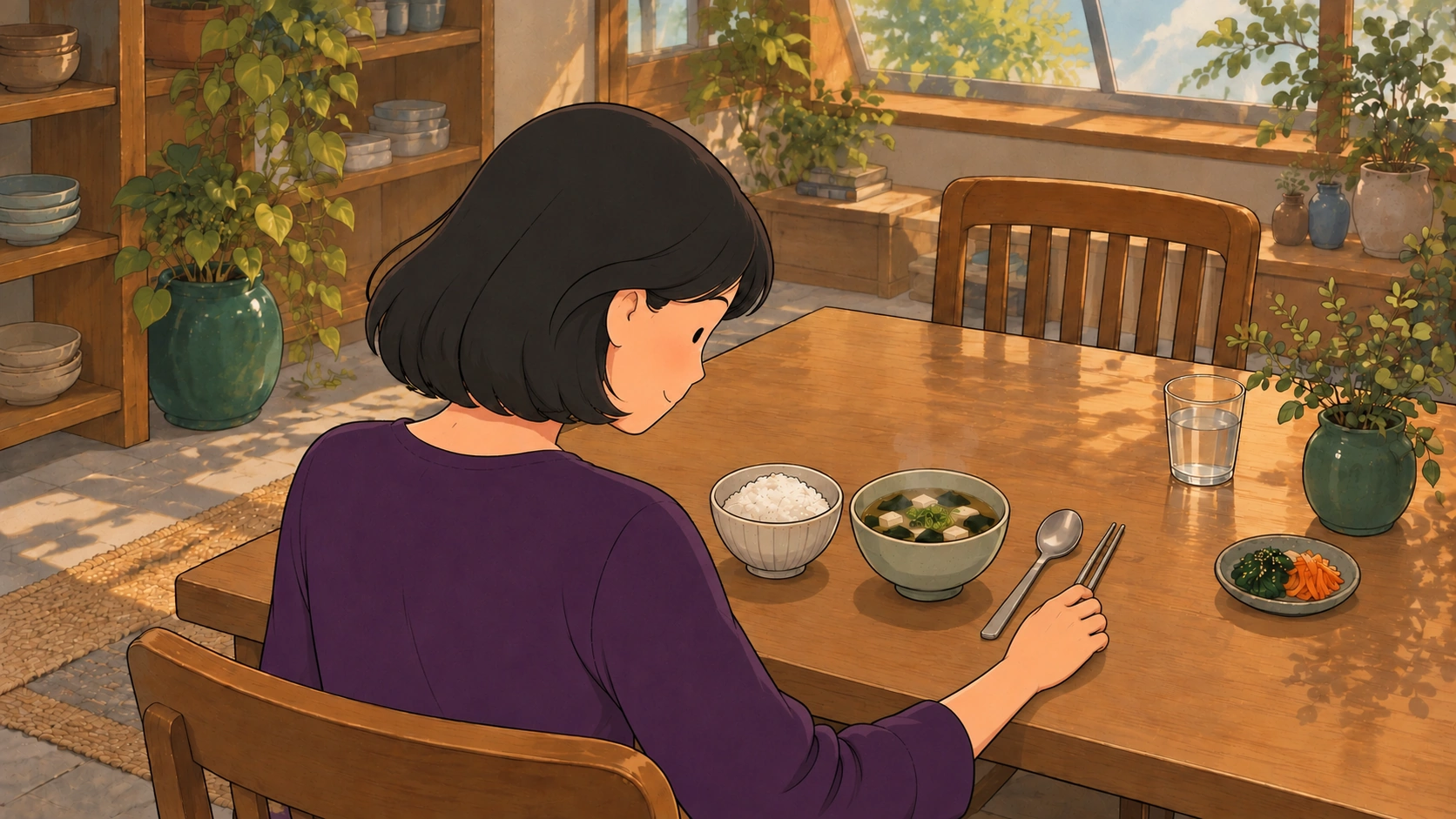
In a basic Korean table setting, the spoon goes on the left and the chopsticks on the right, side by side. Rice goes on the left and soup on the right. Remembering that the meal uses both a spoon and chopsticks can take some pressure off: you do not have to manage everything with the chopsticks alone.
When you put your chopsticks down for a moment, avoid sticking them upright in the rice. That arrangement is associated with rituals for the dead. Keeping your rice and soup bowls on the table as you eat, rather than lifting them toward your mouth, is also part of basic Korean dining etiquette.
If you are eating with others, particularly elders, it is useful to know the custom of waiting until the elders pick up their utensils before you start eating. You can remember that courtesy regardless of how confidently you handle your chopsticks.
What you can do when metal chopsticks feel difficult
If something is difficult to pick up with metal chopsticks and you can eat it with a spoon, use the spoon. You do not have to catch every last bean with your chopsticks to have a proper meal. When a spoon is provided alongside them, make use of it too.
Some people find wooden chopsticks comfortable for noodles. I usually use them for jjajangmyeon and ramyeon myself. If metal chopsticks keep giving you trouble at a restaurant, you can ask, “나무젓가락 있어요?” (“Do you have wooden chopsticks?”) or “포크 있어요?” (“Do you have a fork?”). You will need to ask what the restaurant has available, so do not assume that either option will always be provided.
If you want to practice, use metal chopsticks a little during meals, without forcing yourself to endure discomfort until the end. Ask for utensils that help you eat comfortably now, and start getting used to metal chopsticks with foods that are easy to pick up.
FAQ
Do people in Korea always use metal chopsticks?
In my case, no. I usually use metal chopsticks for delivery food at home, but wooden ones when I eat it away from home. I also tend to eat jjajangmyeon and ramyeon with wooden chopsticks. You cannot generalize my habits to all Koreans.
Can you ask for other utensils if metal chopsticks are difficult?
You can ask, “나무젓가락 있어요?” (“Do you have wooden chopsticks?”) or “포크 있어요?” (“Do you have a fork?”). There is no guarantee that every restaurant has them available. For foods you can eat with a spoon, use the spoon provided alongside your chopsticks. If you want to get used to metal chopsticks, begin with foods that are easy to pick up.
Do Koreans also find some foods difficult to pick up with metal chopsticks?
I learned with metal chopsticks as a child, but I still find kongjang difficult to pick up. Perilla leaves are also difficult to separate one by one on my own. Even with utensils you have used for years, some foods can remain awkward to eat.