Why I Buy Bottles Instead of Brewing Homemade Makgeolli
Some makgeolli enthusiasts outside Korea are interested in homemade makgeolli. A beginner in Quebec, Canada, posted on Reddit asking whether the ingredients left after straining a first batch could be used to make another alcoholic drink. On the English-language brewing forum Homebrew Talk, another writer described trying brewing for the first time because they liked makgeolli (막걸리, Korean rice wine). Those examples cannot tell us how widespread the interest is overseas, but they do show how enjoying the drink can lead someone to try making it.
I prefer makgeolli to soju (소주, a Korean distilled spirit), and I drink it often. I do not brew it at home, though. I usually buy it at a convenience store or a large supermarket. Liking a drink has not made me familiar with making it.
That is why I want to answer the question of why Koreans do not often make it at home through my own experience. I cannot speak for every household. For me, buying it is convenient, and I do not have much knowledge or experience of brewing it myself.
Sharing Pine Nut Makgeolli with My Parents After Gapyeong
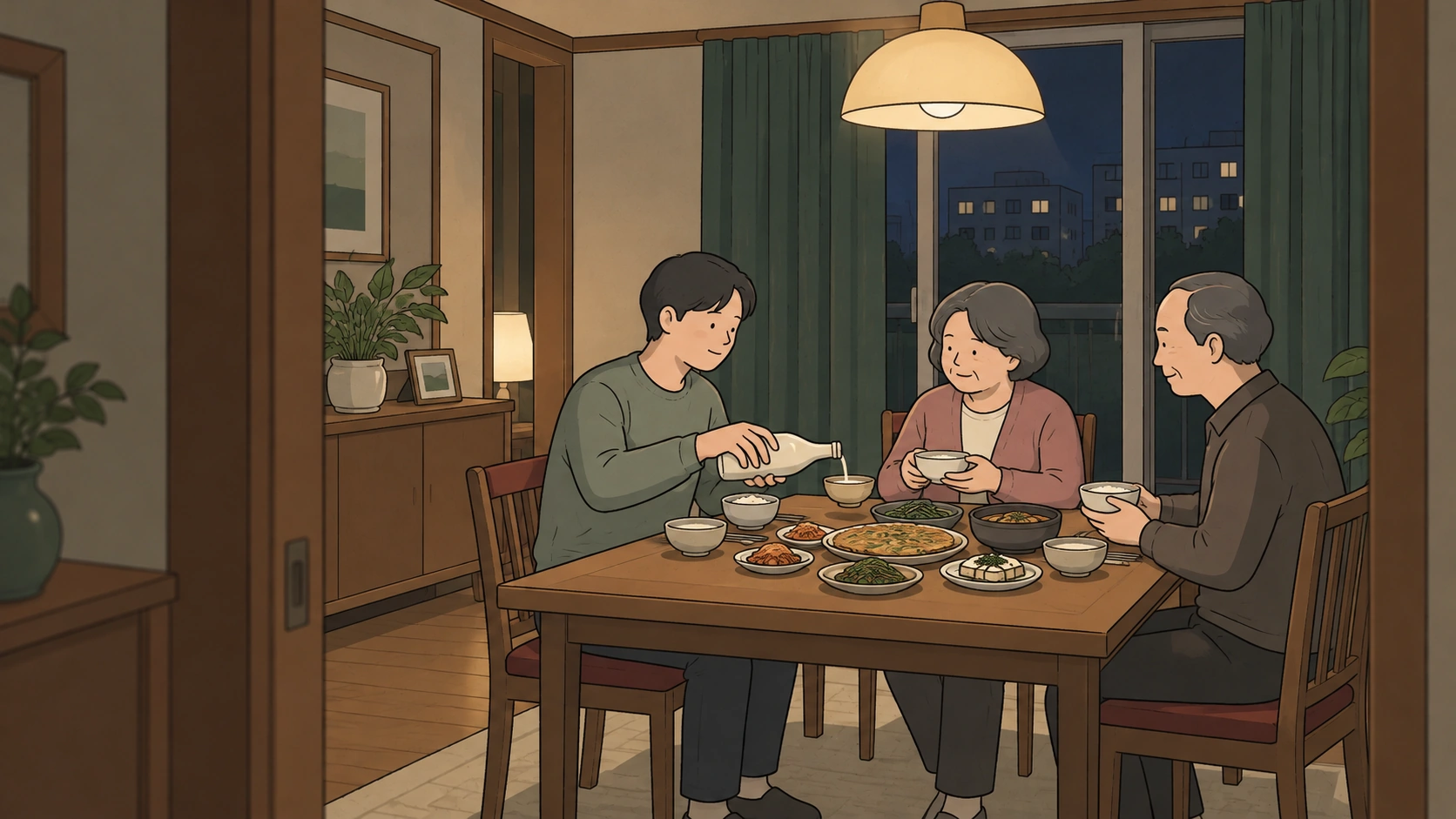
I once had a reason to make a short trip to Gapyeong with my parents. On the way back, I bought some of the area’s pine nut makgeolli. Later, we shared it over a meal. That memory gives you a fairly clear picture of how I enjoy regional makgeolli.
Back home, we opened the makgeolli from Gapyeong to drink with our meal. I cannot add details about which side dishes we ate or exactly how my parents described the taste. What I can say is that I bought the pine nut makgeolli and drank it with them while we ate.
Although I normally shop at convenience stores or large supermarkets, I also sometimes bring back a local drink when I visit another region. You can enjoy choosing different regional products without brewing them yourself.
I would like to travel around Korea tasting the makgeolli made in different places. That is something I hope to do, rather than a journey I have already completed. The pine nut makgeolli from Gapyeong is one actual experience behind that wish.
Why I Buy Bottles Instead of Making Homemade Makgeolli

Drinking makgeolli regularly and knowing how to make it are two separate things. I am familiar with drinking it, but I have little experience of brewing. I cannot claim to know enough about the process to make it myself.
When I want some, I choose a convenience store or a large supermarket. Buying the finished drink is easier for me than preparing to brew a batch. That convenience is the most practical reason I do not make it at home.
I did not try brewing, fail, and give up. I have no story about throwing away a failed batch or struggling to manage fermentation. Without that experience, I cannot tell you how difficult making it would be. What I lack is firsthand brewing experience and the knowledge that goes with it.
For someone who makes it at home, the process itself may be part of the hobby. The overseas posts mentioned earlier offer examples of that interest. My own wish is to travel and taste regional makgeolli. People can enjoy the same drink in different ways.
We Did Have Other Homemade Alcohol at Home
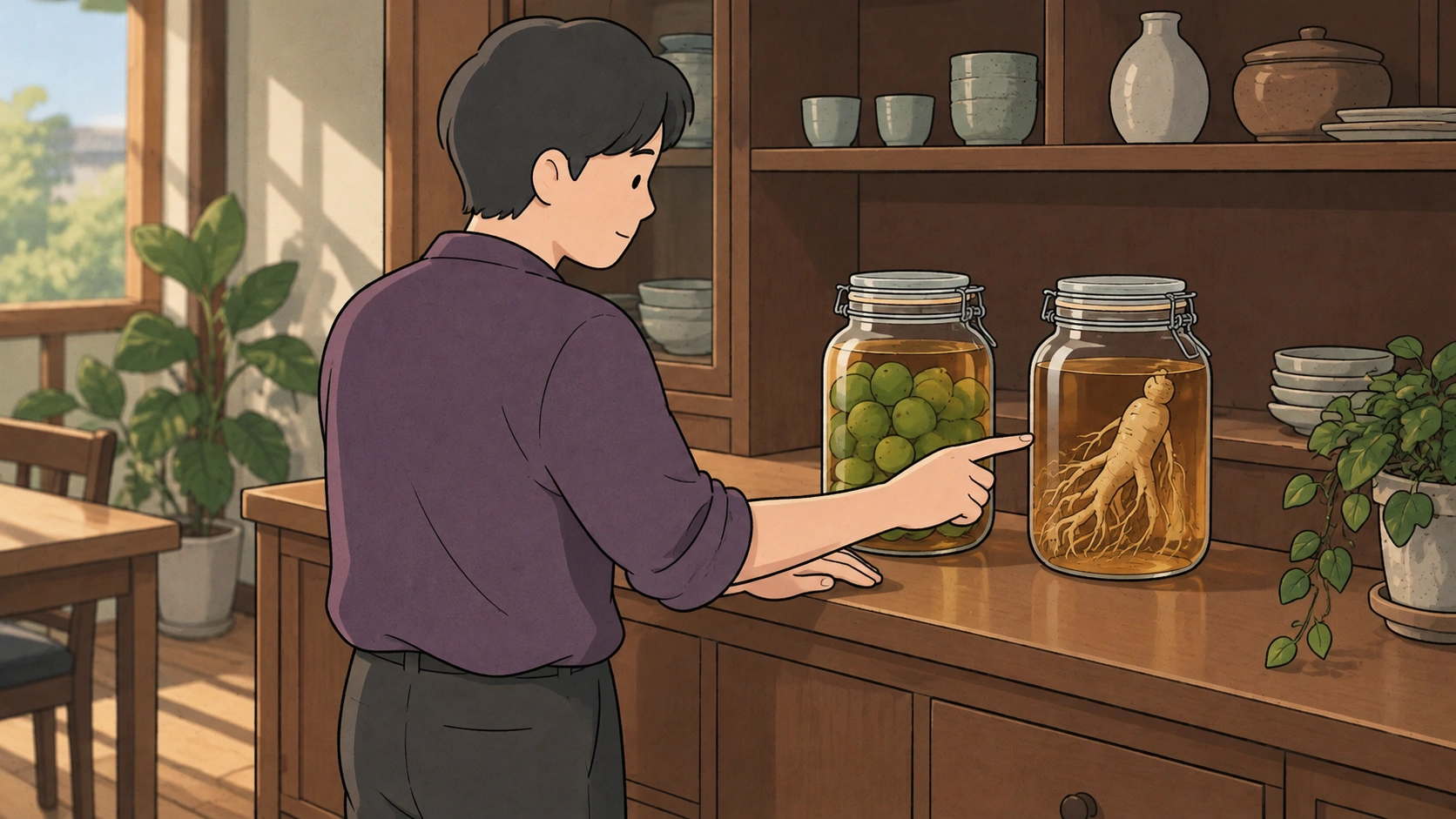
There was homemade alcohol in our house, just not the kind you might picture from a discussion about brewing makgeolli. We had maesilju (매실주, green plum liquor) and insamju (인삼주, ginseng liquor). We have finished both, and my father no longer really drinks, so we do not make new batches now.
When someone mentions making alcohol at home, these are the drinks I think of first. They belong to the category of damgeumju (담금주, liquor made by steeping ingredients in alcohol): soju is poured over fruit, ginseng, or other ingredients and left for a long time. Making makgeolli or dongdongju (동동주, another Korean rice wine) at home was less familiar in my own circle.
Discussions of steeped liquor can also bring up unusual ingredients, including wasps or snakes. The drinks I can actually place in our family home are green plum liquor and ginseng liquor. I would not include those other kinds as though my family had made them too.
If you hear that a Korean household made alcohol and assume it was makgeolli, you could misunderstand a story like mine. I remember those two steeped liquors, but I have no experience to share of watching my parents or grandparents brew makgeolli. My family memories cannot explain the history of what households across Korea used to make.
What I Like Eating with Makgeolli
If I were recommending makgeolli to a friend visiting Korea, I would suggest drinking it with food from the same area. Choosing a local drink alongside dishes made with regional specialties is also the kind of trip I would like to take myself.
I have heard people say that water tastes different from region to region and that this affects makgeolli. Whether water alone can explain the differences between individual products is a separate question. My recommendation is to taste the local food and drink together, rather than predict a bottle’s flavor from that idea alone.
My own favorite accompaniments are sour kimchi, pajeon (파전, scallion pancakes), kimchijeon (김치전, kimchi pancakes), and dotorimuk (도토리묵, acorn starch jelly). Sour kimchi with makgeolli is a combination I particularly want to recommend. You can start with whichever of those foods appeals to you, without planning an elaborate spread.
If the menu names are unfamiliar, the basic differences are straightforward: pajeon is made with scallions, kimchijeon with kimchi, and dotorimuk with acorn starch. You do not need to order all four to enjoy your drink properly. I am suggesting that you choose one of the combinations I like.
Finding Regional Bottles and Brewery Experiences on Your Trip
If you are going to Gapyeong, you could look for pine nut makgeolli, like the one I brought back and shared with my parents. If your trip takes you to Pocheon, Idong makgeolli is another candidate to try with a meal. When planning where to eat there, you can also read about Idong galbi (이동갈비, the area’s grilled ribs).
If the making process interests you, look into a brewery experience. The Visiting Breweries guide from the official traditional liquor information site The Sool introduces breweries offering activities such as brewing and tasting. You will need to ask the individual brewery whether the activity is running on your intended date. Do not assume that the hours or prices in an older guide still apply.
Before booking, ask whether you will actually make alcohol or whether the program consists of a tour or tasting. Check the available language and dates at the same time. A brewery visit does not automatically include a hands-on brewing class.
For your first taste, choose one bottle from the region you are visiting and one food you would like to eat with it. If you enjoy the flavor and become curious about the process, you can follow that interest with a brewery experience. Start with your destination: pine nut makgeolli in Gapyeong or Idong makgeolli in Pocheon.
Frequently Asked Questions
Do Koreans who like makgeolli still choose not to make it at home?
It depends on the person. I prefer makgeolli to soju and drink it often, but I usually buy it at convenience stores or large supermarkets. Buying it is convenient, and I lack the knowledge and experience to brew it myself. You cannot take my reasons as an explanation for all Koreans.
Is all alcohol made in Korean homes makgeolli?
No. We had green plum liquor and ginseng liquor at home. Steeping ingredients in soju and brewing makgeolli should not be treated as the same experience. Our household no longer makes those steeped liquors either.
What food should I eat with makgeolli?
My favorite combinations are sour kimchi, pajeon, kimchijeon, and dotorimuk. If you are traveling, I also recommend choosing regional makgeolli and food made with local specialties.
Where should I start if I want to try regional makgeolli?
If you already plan to visit Gapyeong, consider pine nut makgeolli; if you are going to Pocheon, consider Idong makgeolli. I bought pine nut makgeolli in Gapyeong and shared it with my parents over a meal. These suggestions are not a ranking based on tasting every makgeolli in Korea.
Can I try making makgeolli during a trip to Korea?
You can use The Sool’s Visiting Breweries guide as a starting point. Activities vary by brewery, so first check whether brewing is included. Ask the brewery about availability on your travel date, how to book, and which languages are available.