When Did Seongsu Seoul Become a Place I Barely Recognize?
Before Seongsu Seoul became somewhere people visited for pop-up stores and cafes, it was the neighborhood where I used to work. I remember it first as part of my daily life, a place I passed through on my way to and from the office, rather than as a destination in its own right.
When I worked there, I did not think of Seongsu as bright or polished. There were many old buildings and factories, and the alleys were dark. The decorative lighting that appears in photographs of Seongsu today was not part of the streets I knew. After about 7 p.m., the area became quiet as the working day ended.
I did not interpret that atmosphere as charm at the time. The neighborhood felt secluded, and I thought some parts could be unsafe. Then, at some point, it became the kind of place people made a special trip to visit.
The Seongsu I remember and the Seongsu people talk about today share the same name, but at first they seemed like two different neighborhoods to me.
What Seongsu Seoul Was Like After 7 p.m.
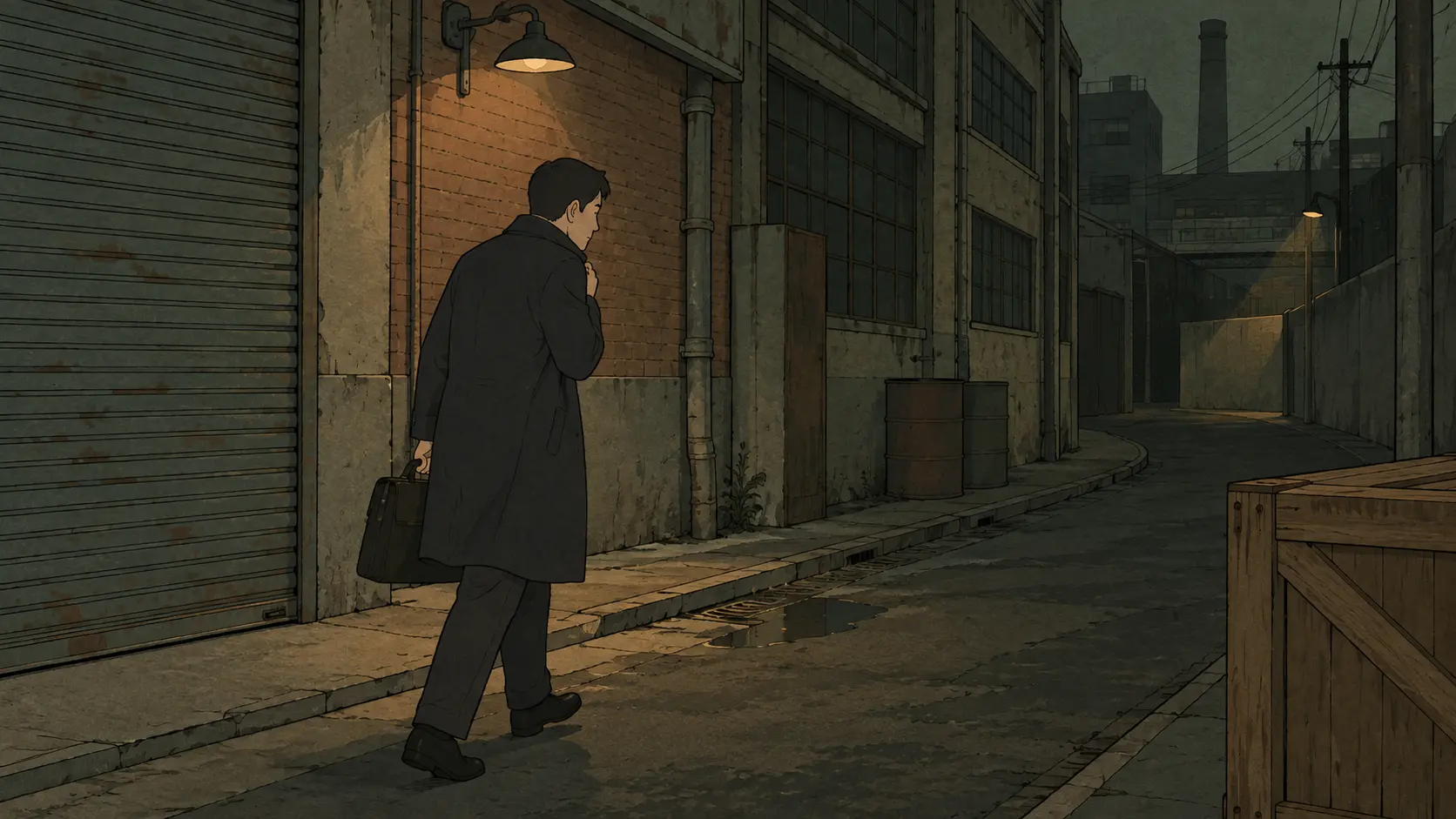
Dark alleys are the first thing I remember about the old Seongsu. During the day, it could look like an ordinary working district filled with offices and factories. Once people finished work and began leaving, however, the feeling of the streets changed. This was not an evening district where more visitors kept arriving. The movement of the day gradually came to an end.
After 7 p.m., Seongsu was quiet. Shops and signs did not light the alleys as they do now, and visitors did not continue filling the streets late into the evening. When the light faded around old buildings and factories, it was not the sort of setting that encouraged an unfamiliar visitor to wander in without hesitation.
I did not see the age of those buildings as a special attraction. An old building was simply old, and a factory-lined alley looked like somewhere I should walk carefully. Looking back, I passed the scenery now associated with Seongsu’s popularity every day without once imagining it as something tourists might come to see.
If someone had told me that young people and overseas visitors would one day seek out those alleys, I would have found it difficult to believe. Back then, the streets grew quiet when evening arrived.
The People Changed the Street’s Atmosphere
The biggest change I notice in Seongsu today is how crowded it has become. It is not only the number of people that has changed. Their clothes, their reasons for being there, and the atmosphere they create while walking through the neighborhood all feel different.
In the past, workers commuting to nearby offices and factories naturally belonged to the street. Today, the people who have come to experience Seongsu itself stand out much more clearly. They walk while deciding what to see, which shop to enter, and where to take a photograph.
I do not think the center of Seongsu lies in one pop-up store or one cafe. Those places clearly draw visitors, but the old factory buildings and traces of the earlier streets give the area its distinctive foundation. A district made entirely of newly built spaces would not leave the same impression.
Tall modern buildings now rise around the area, while some Seongsu alleys still suggest the Korea of the 1970s and 1980s. I have heard that overseas visitors find this contrast surprising, although I have not personally watched or heard their reactions. What I can say from experience is that scenery once regarded as worn and secluded is now treated as part of Seongsu’s identity.
Old Factories Became the Face of Seongsu
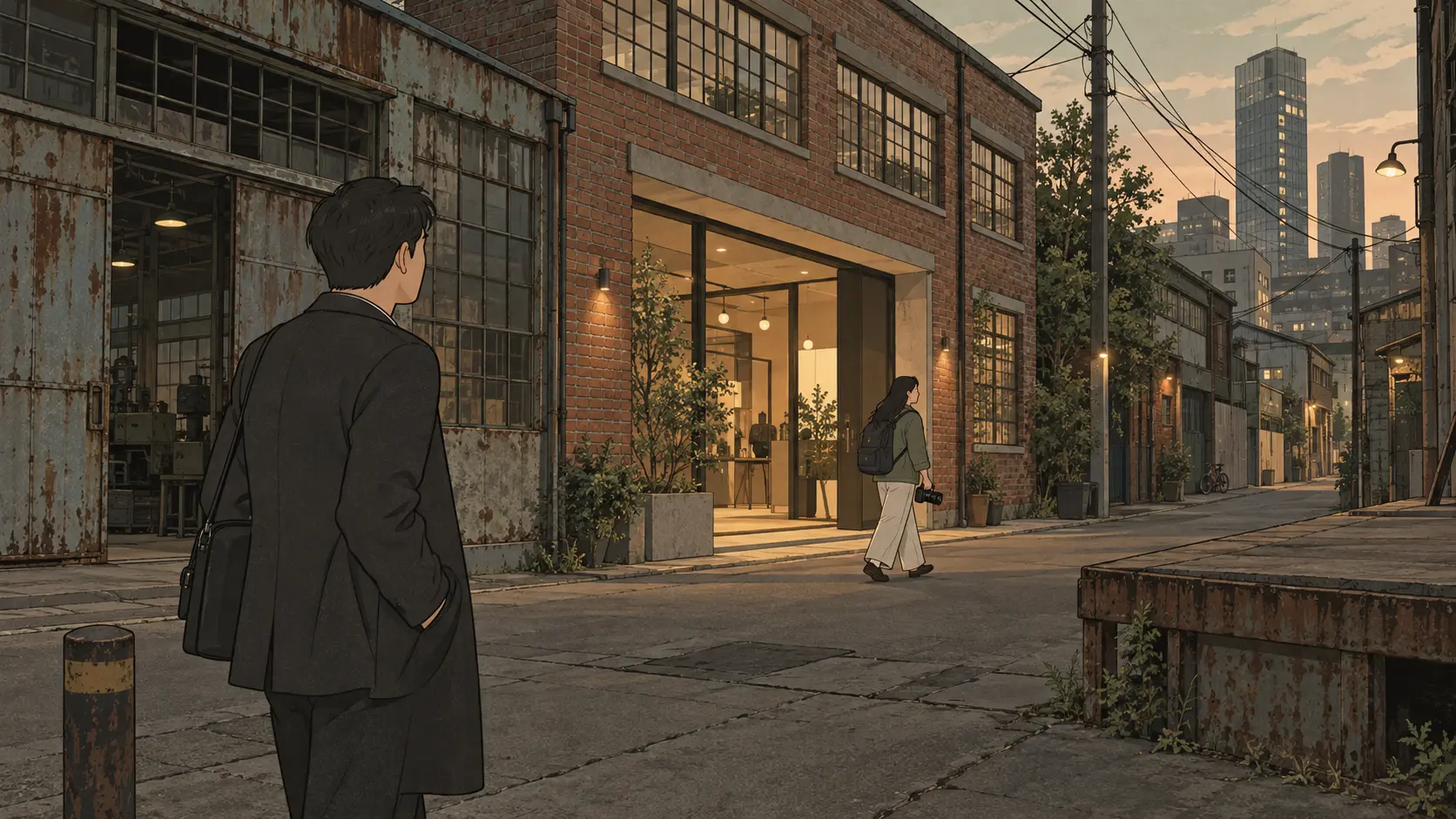
Seongsu’s transformation interests me because the old streets were not simply erased and replaced with an entirely new district. Factory buildings and alleys that once felt dark or unsafe remain, while brighter shops and new spaces have moved in around them.
That combination gives Seongsu its unusual appearance. Modern towers by themselves can resemble many other developed parts of Seoul. Old factories alone would not have attracted today’s crowds. The encounter between weathered exteriors and newer culture makes the neighborhood memorable.
The change still feels slightly strange to me. I once hurried through alleys that people now explore slowly. Visitors take photographs in front of buildings I never considered remarkable and wait to enter spaces that have preserved a factory-like exterior. Sometimes it seems that the way people look at the neighborhood changed before the neighborhood itself did.
I cannot say that present-day Seongsu is better in every respect. It is brighter and offers more to see, but it is also much more crowded. The new energy comes with congestion, and anyone who wants one has to accept some of the other.
Returning to Seongsu Began With a Crowded Station
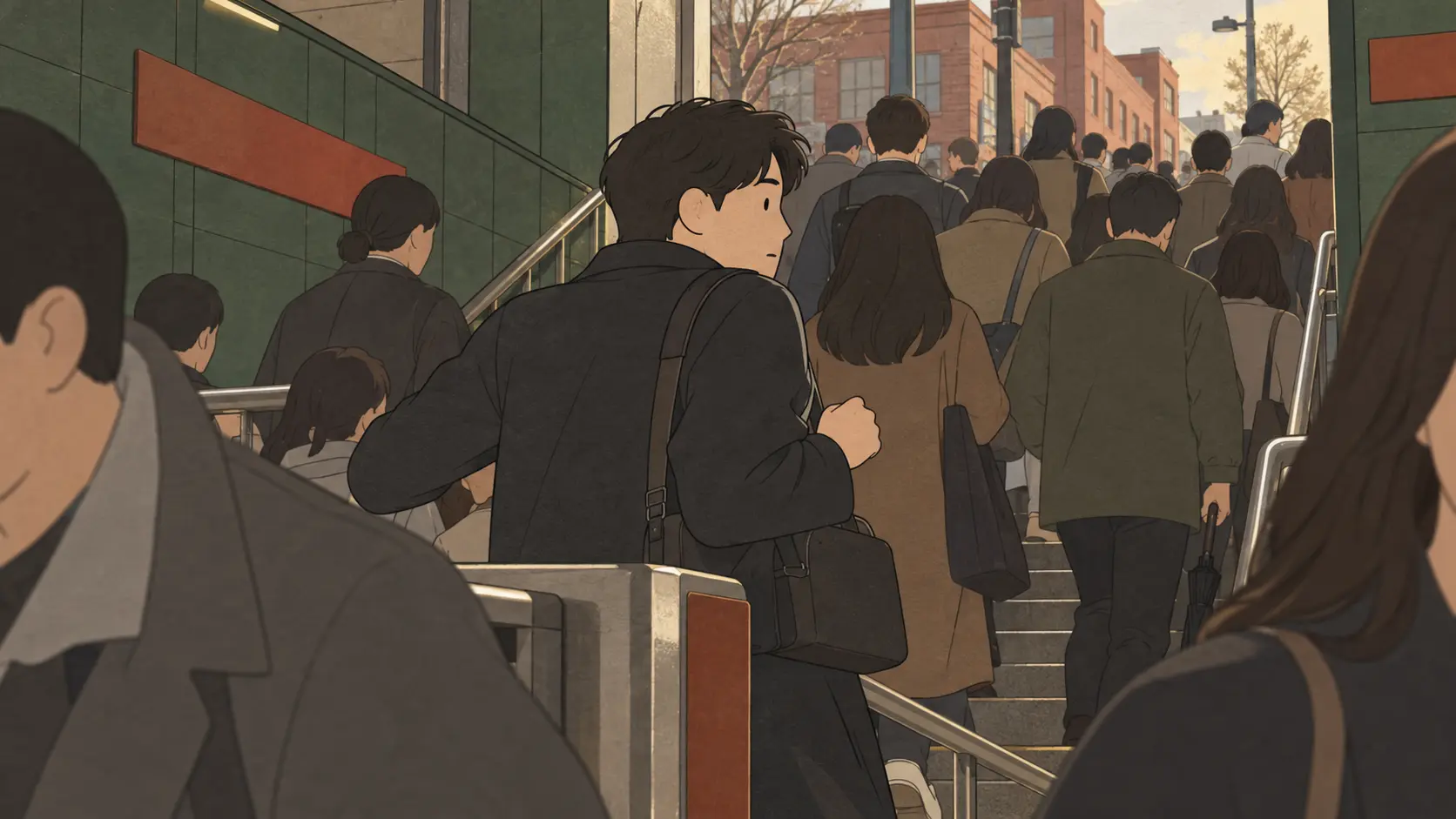
About a year ago, I returned to Seongsu to have a meal with a former coworker. I was not going there to tour famous cafes or visit a particular pop-up store. My reason was simple, but I began noticing the new Seongsu as soon as I arrived at the station.
There were so many people that even getting out of the subway station felt difficult. For someone who remembered quiet evening alleys, the congestion itself became the clearest sign of change.
The Seongsu in my memory emptied after 7 p.m. On this visit, I had to move with the flow of the crowd. I once watched my surroundings because the streets were dark; now I had to watch where I stepped so I would not bump into another person. Apparently Seongsu had found a new way to make me walk carefully.
Because I had come to eat with a former coworker, I did not spend that day inspecting the famous pop-ups or cafes. I cannot offer a personal ranking of every popular place in the neighborhood. From the viewpoint of someone who once worked there, however, the change went far beyond the arrival of a few new shops. The number of people, and their purpose for using the neighborhood, felt different from the moment I left the station.
Famous Stops Show Only Half of Seongsu
If I could give a first-time overseas visitor one piece of advice, I would say not to follow only the places everyone already knows. Famous cafes and pop-up stores are easy to find, and they quickly show why Seongsu is popular. But if you spend all your time standing in lines and moving through crowds, you may miss the character of the streets themselves.
Walk a little farther and you will find alleys that are not as polished as the central streets but carry similar traces of the past. Looking slowly at the old buildings and industrial atmosphere helps reveal that Seongsu did not begin as a shopping district assembled around the latest trends.
I would generally rather recommend finding a place that feels like your own discovery than seeing only the locations everyone recognizes. That applies in Seongsu as well. I am not suggesting that you avoid every famous stop. See one of the best-known streets, then continue for another block or two.
There are nearby streets with a similar atmosphere, even if they are not as refined or bright as central Seongsu. You can look at the old walls and the shapes of the alleys at your own pace instead of being carried along by a group of visitors. The Seongsu I used to know may be easier to notice there.
Who Will Enjoy Seongsu and Who May Find It Tiring
Seongsu can be interesting if you enjoy seeing old industrial buildings beside newly opened spaces. It may also suit you if you like browsing recent shops or observing what currently draws people’s attention in Seoul.
If you expect quiet alleys or tire quickly in crowded places, think about your timing and route before you go. When I returned, simply leaving the subway station was already difficult. Trying to cover several famous places in a short visit could use more energy than the neighborhood itself gives back.
My practical suggestion is simple. Choose one well-known destination, see it, and then walk through the surrounding alleys. This gives you a chance to see both the bright new Seongsu and traces of its earlier industrial streets. If the crowd becomes too much, skip one more famous queue and turn toward a quieter side street instead.
Seongsu is still the neighborhood where my former workplace stood. When I see its popularity now, I remember the dark alleys and quiet evenings before I think of the newest shop. On your first visit, look beyond the bright storefronts and spend part of your walk noticing the old factory neighborhood underneath them.
Frequently Asked Questions
Why has Seongsu become so popular?
From what I have personally seen, old factory buildings and alleys now sit beside newer shops, creating an atmosphere that is difficult to find elsewhere. Spaces that once looked worn and secluded have become part of Seongsu’s identity. Pop-up stores and cafes matter, but their location inside these older streets makes the neighborhood distinctive.
Should I visit only pop-up stores and famous cafes in Seongsu?
Famous places can help you understand present-day Seongsu quickly. If you follow only those stops, however, you may remember the crowds and queues more clearly than the neighborhood. After seeing one main destination, walk a little farther into nearby alleys where older buildings and factory traces remain.
Is Seongsu very crowded?
When I returned about a year ago, it was crowded enough that leaving the subway station felt difficult. Conditions vary by day and time, but a visitor expecting a quiet neighborhood may find it tiring. If dense crowds are uncomfortable for you, reduce the number of famous stops you try to cover in one visit.
What is the biggest difference between old and present-day Seongsu?
In my memory, the greatest differences are the crowds, the way people dress, and the overall mood of the streets. On your visit, step beyond one famous shop and look for the old factory walls and alleys that still explain how Seongsu changed.