Why Koreans Wear Masks on Days They Are Not Sick
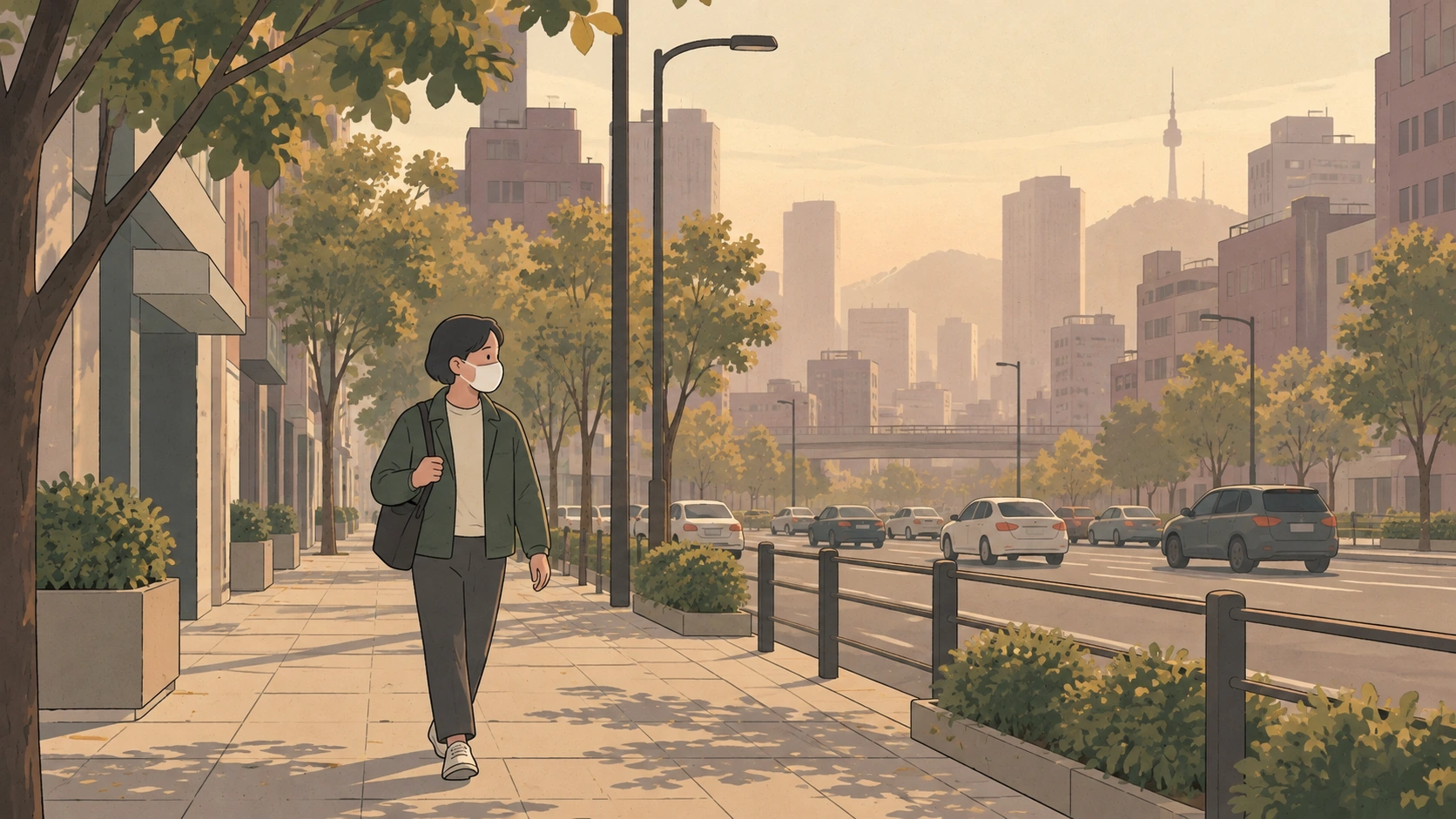
I worked through a day of particularly bad fine dust that still comes to mind when I think about why Koreans wear masks. I worked without a mask and came home with a throat that hurt as though it were swollen. In the shower, I blew my nose and saw a lot of dust mixed into the mucus. For me, a mask is connected to how my body feels after a day like that.
That does not mean I have the same reason every time I put one on. I also wear a mask when I feel a cold coming on, or when a strong, cold wind blows in winter. A younger relative has told me about wearing one for reasons involving makeup or appearance. The thing covering the face looks the same, but the circumstances behind it change.
Why Koreans wear masks on dusty days
That day, I finished work and came home without having worn a mask. My throat went beyond feeling a little scratchy; it hurt as if it were swollen. Then, when I blew my nose in the shower, there was dust in the mucus. It was my usual sequence of working and washing up at home, except that this time I had both a sore throat and visible dust to remember it by.
The dust I could see does not tell me how much ultrafine particulate matter was present, or establish what caused the pain. What I can say is what happened: I went without a mask on a day with bad fine dust, and my throat hurt afterward.
That is why dusty air is one of the things that influences whether I wear a mask. My throat tends to feel scratchy and sore on days like that, so I put one on. If you passed me outside, you would have no way to tell whether I already had a cold or was wearing it because of the air.
A Reddit user preparing for a trip to Korea asked whether many people were still wearing masks. The question was about how many people wore them, but I would add that the reasons matter too. In my case, feeling a cold coming on and dealing with fine dust are separate reasons. That one person’s question does not tell us what every traveler is thinking.
When I feel a cold coming on, I think about other people
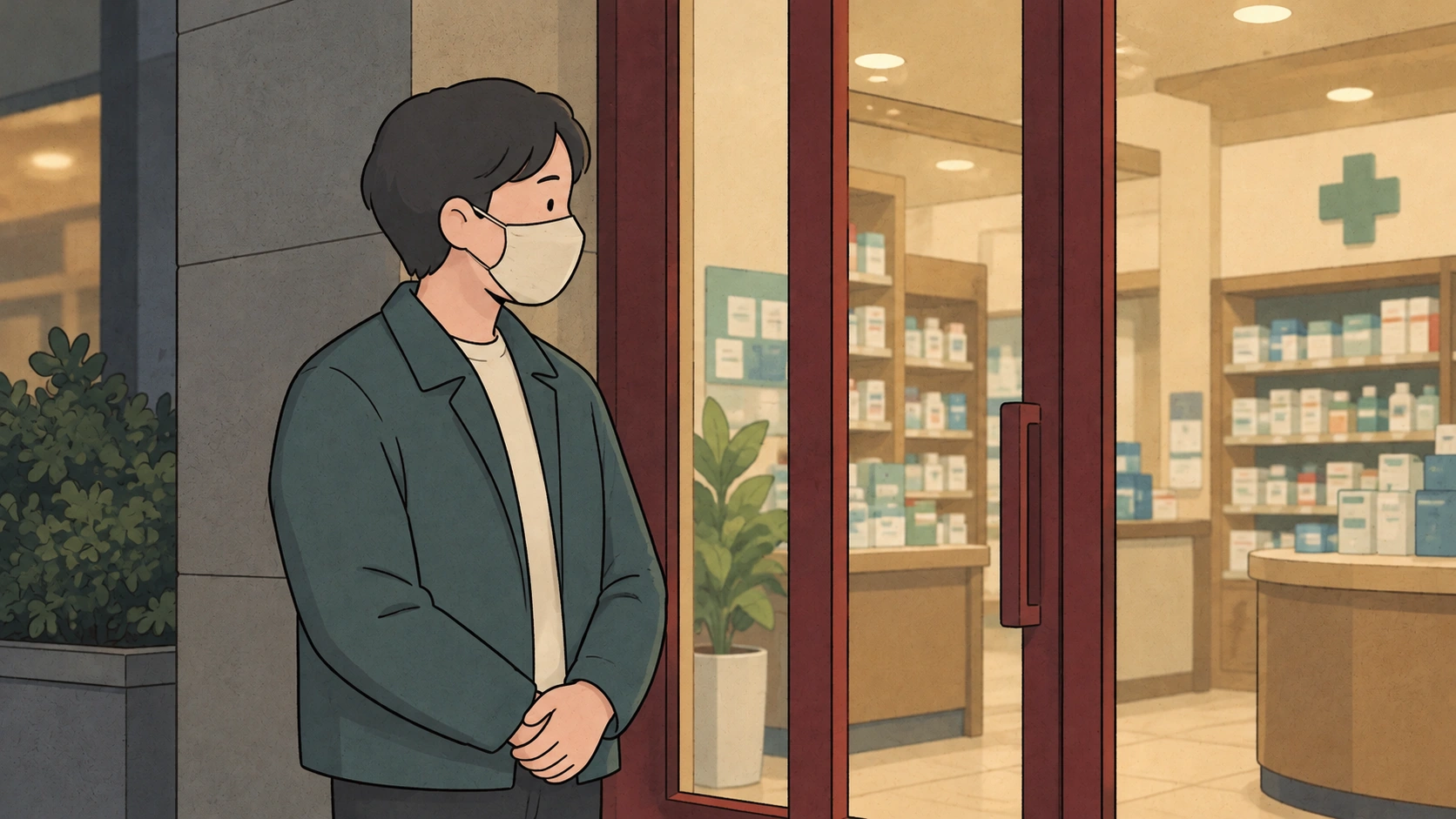
I wear a mask when I have the beginnings of a cold. The clearest memory I have of wearing one because I worried about passing an illness on is a hospital visit after I caught COVID. I went to the hospital wearing a mask, and at the pharmacy I stayed outside the building even with it on. I waited outdoors until my medicine was ready.
On a day when I am ill, wearing a mask involves thinking about the people sharing a space with me. Along with feeling unwell myself, I am taking steps to avoid passing it on. Waiting outside the pharmacy was part of that particular experience; you should not take it as a procedure that every pharmacy requires today.
In that scene, I really was an ill person wearing a mask. But I also have days when I wear one without being ill. You cannot work out someone’s health simply by looking at the mask on their face.
What a younger relative told me about makeup and appearance
A younger relative told me about wearing a mask to avoid putting on makeup, or deliberately covering the lower face because of dissatisfaction with its appearance. I have not worn one to skip makeup myself. This was something I heard from a close family member about another reason people might wear one.
A bare face here means a face without makeup. Covering the lower part with a mask changes how much of it other people can see, and that covered area was what my relative was talking about. I was not told about a particular day’s outfit or whom they went to meet, so I cannot add a scene with those details.
I do not have a specific experience to share about someone wearing a mask to hide their expression. Seeing a covered face gives me no basis to decide that concealing an expression was the intention. What I can pass on is my relative’s account of makeup and appearance.
If a friend visiting from abroad asked whether someone in a mask was sick, I would explain that they might be, but they might also be wearing it because they felt less confident about their appearance that day. I would not know which applied to that person. A covered face alone does not settle the question.
Cold winter wind is another reason I wear one
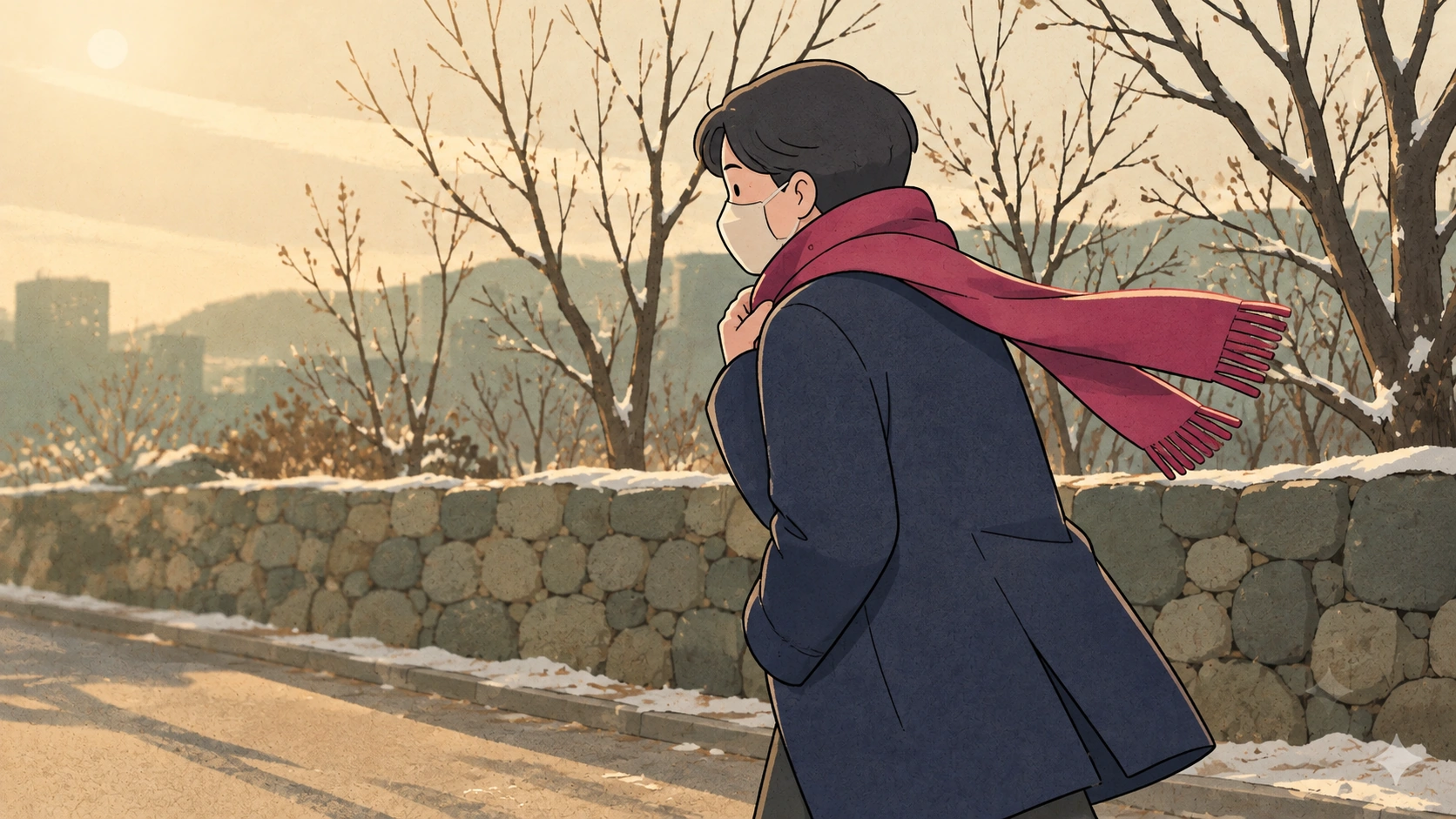
Another time I wear a mask without being ill is when a strong, cold wind blows in winter. In that wind, breathing feels more comfortable to me with a mask on. That is a separate reason from wearing one because my throat feels uncomfortable on a dusty day.
This describes how wearing it feels to me. It does not mean everyone will find breathing easier in a mask, or that a mask is a solution when you are short of breath. It simply explains my own reason for wearing one in winter wind.
Even within the limits of what I have experienced or heard, there are several reasons: fine dust, the beginnings of a cold, cold wind, and my relative’s account of appearance. When you see someone wearing a mask during your trip, there is no need to start by guessing their illness or mood.
Check the fine dust forecast for where you are going
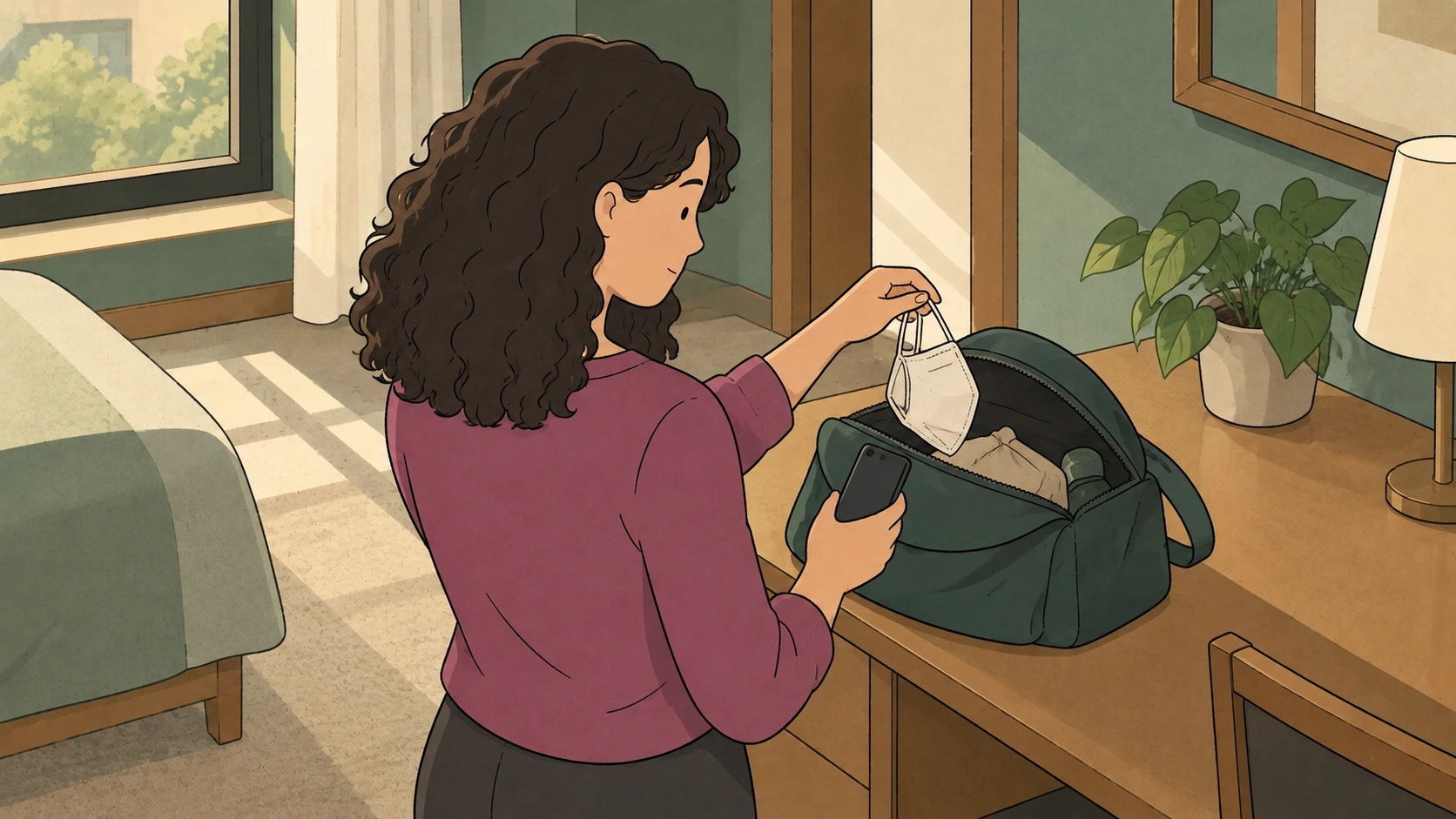
If you are deciding whether to pack a mask, AirKorea, run by the Korea Environment Corporation, is a useful place to look. Checking the air where you plan to go and considering how you feel will help you prepare more than counting how many other people are wearing masks.
On AirKorea, open the air information page for today, tomorrow, and the day after tomorrow, then check your destination and date. Fine dust is labeled PM-10 and ultrafine dust PM-2.5, so look at both. Forecasts have four grades: good, moderate, bad, and very bad. If you are traveling from Seoul to another region, check the forecast for your destination too.
AirKorea advises preparing a KF-rated protective mask for fine dust. On days rated bad or very bad, also consider reducing long walks and strenuous outdoor activities. If you are particularly sensitive to fine dust, pay closer attention to the guidance on what to do.
I remember coming home from work with a sore throat after going without a mask on a dusty day. Before leaving your accommodation, check your destination’s forecast and pack a protective mask for days when you may need it. If the air is bad, adjust how long you spend on your outdoor plans too.
Frequently Asked Questions
Does someone wearing a mask in Korea have a cold?
They might, but you cannot tell from the mask alone. I wear one when I feel a cold coming on, but also when there is a lot of fine dust or a strong winter wind. A younger relative has told me that makeup or appearance can also be a reason.
Why would someone wear a mask when they are not sick?
In my experience, fine dust and cold wind are reasons. Particularly when the winter wind is strong, breathing feels more comfortable to me with a mask on. Wearing one to cover a face without makeup or to conceal part of one’s appearance is something my younger relative told me about.
Where can you check the fine dust forecast during a trip to Korea?
Check your destination and date on AirKorea’s air information page for today, tomorrow, and the day after tomorrow. Look at fine dust and ultrafine dust separately. If the forecast is bad or very bad, consider both preparing a mask and adjusting your outdoor activities.
What kind of mask should you prepare for fine dust?
AirKorea advises preparing a KF-rated protective mask. On days with heavy fine dust, also consider reducing the time and intensity of your outdoor activities.
Does covering a face with a mask mean someone wants to hide their expression?
You cannot tell that person’s reason from the mask. What my younger relative told me concerned makeup and appearance. I have no specific experience to share of someone wearing one to hide an expression, so it is best not to assume their intention simply because their face is covered.