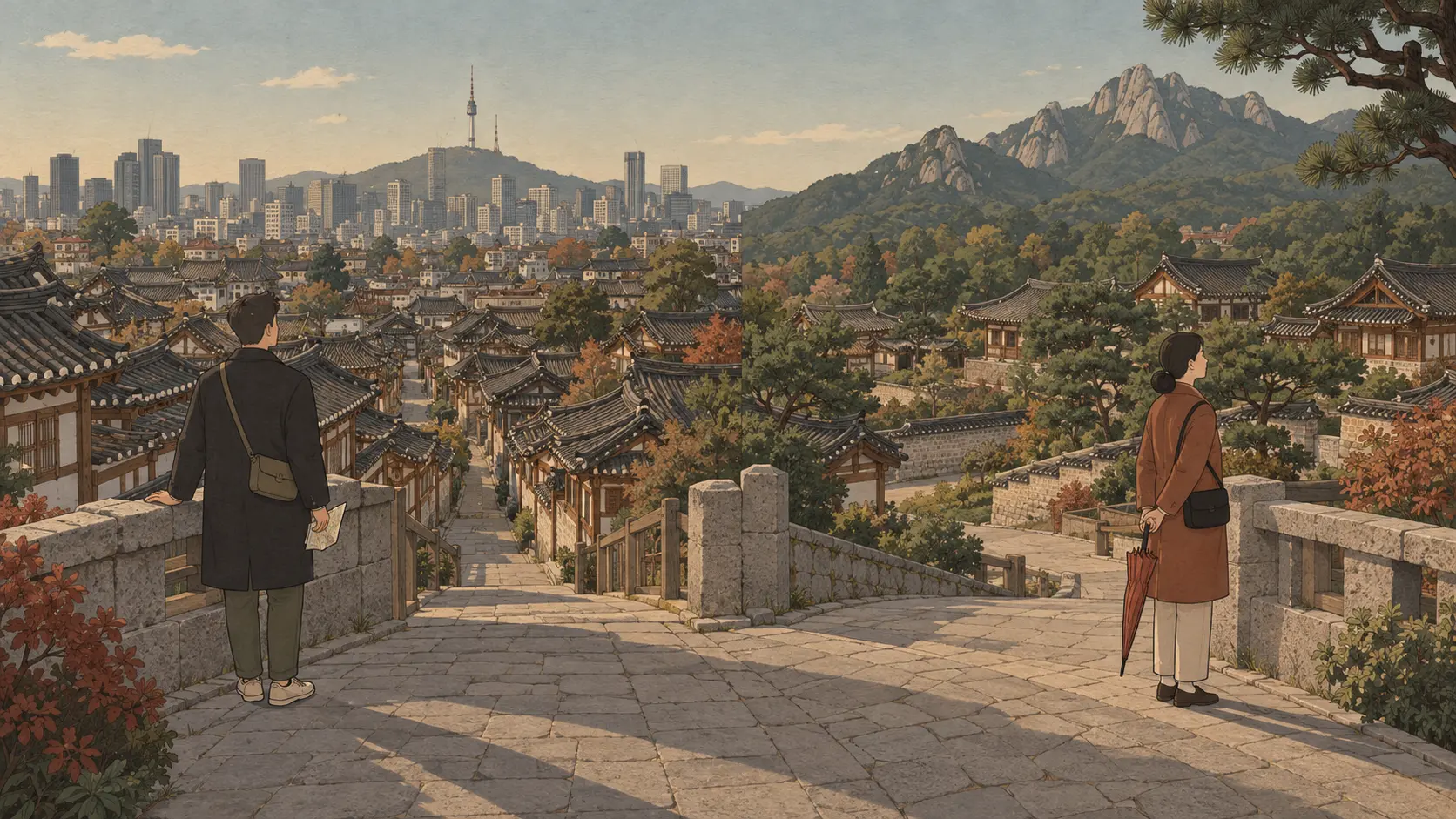
Bukchon vs Eunpyeong Hanok Village: Which Should You Visit?
Living in Seoul does not mean knowing every place that visitors come to see. Bukchon Hanok Village and Eunpyeong Hanok Village were like that for me. I knew their names, but I could not have explained how they differed or why someone would make a special trip to either one.
Then I found a Reddit question from a traveler planning a week in Seoul. They wanted to know whether Eunpyeong was worth almost an hour of travel from Myeongdong, whether they could skip Bukchon if they went there, and what else they could add nearby to make the journey worthwhile. They had even found a hanok café in Eunpyeong and were working out how to use their limited time.
I was honestly surprised. I had not realized that Seoul’s hanok villages were well known enough among foreign travelers to inspire this kind of detailed comparison. I live in Korea and barely knew the difference, while someone coming from overseas was already calculating travel time and planning a route around them.
That question made me look at both places properly. They share the name “hanok village,” but the setting, history, and pace of a visit are quite different.
Bukchon Feels Like an Old Seoul Neighborhood
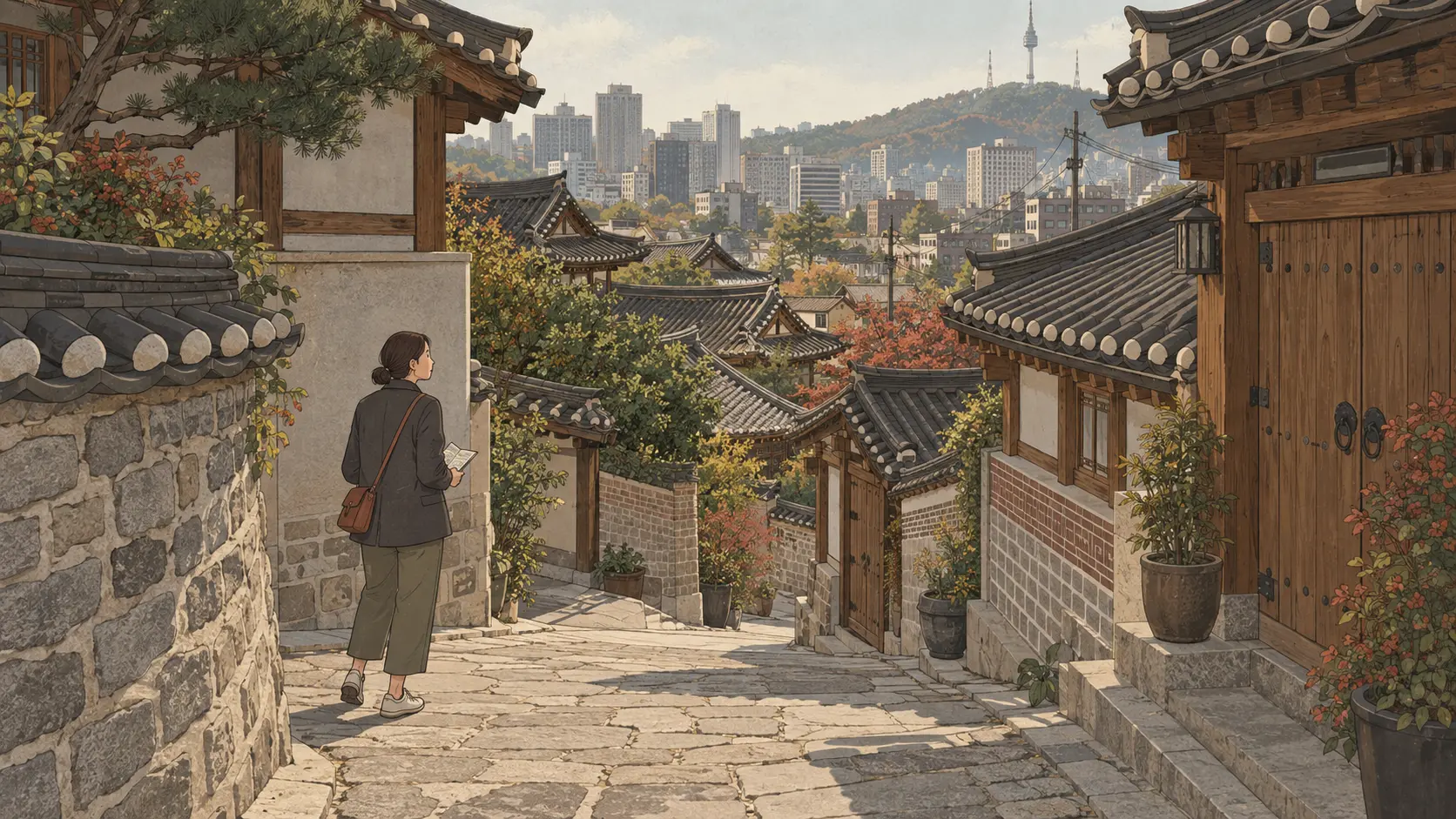
Bukchon Hanok Village sits between Gyeongbokgung Palace and Changdeokgung Palace. Its central location makes it easy to combine with Gyeongbokgung, Samcheong-dong, Insadong, and other major sights on the same day. That convenience is the clearest practical reason for a first-time visitor to choose Bukchon.
The hanoks in Bukchon were not all constructed at once as a tourist display. Hanok-lined streets remain inside a neighborhood where people still live. Korean accounts of walking through Bukchon often recommend going beyond the famous photo lanes toward Gahoe-dong and Wonseo-dong, where quieter residential streets reveal another side of the area.
That everyday life is part of Bukchon’s appeal, but it also creates the greatest responsibility for visitors. A beautiful alley in a travel photograph may be the space directly outside somebody’s front door. As crowds and privacy problems grew, Seoul introduced restricted tourist visiting hours in part of the neighborhood.
Bukchon offers historic urban hanoks, narrow lanes, museums, cafés, and shops within central Seoul. It also brings crowds, hills, and the need to move quietly through a residential area. The neighborhood is rewarding partly because it still feels lived in, and that same fact should shape how you behave there.
Eunpyeong Is a New Hanok Village Below Bukhansan
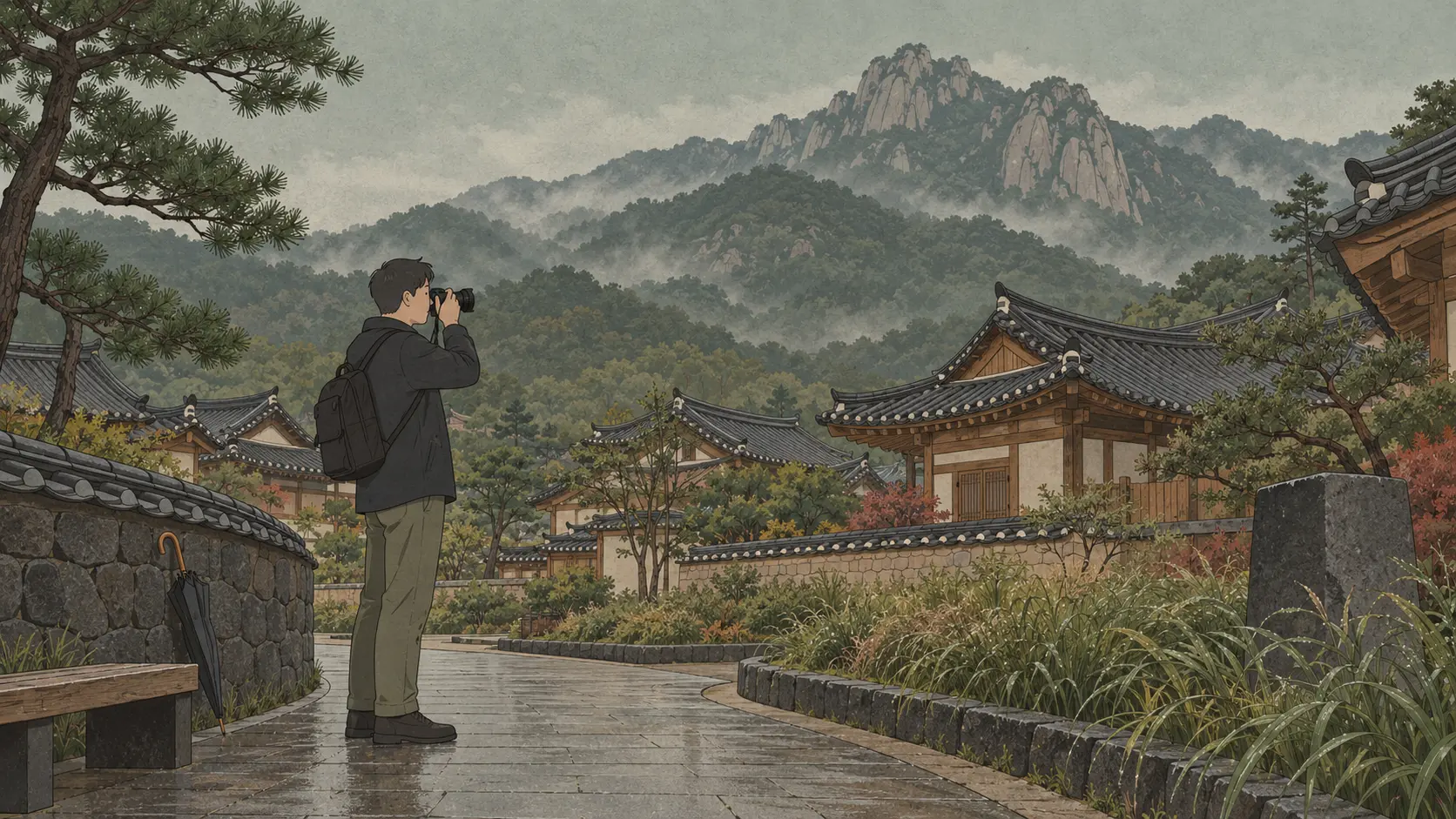
Eunpyeong Hanok Village began from a different point. It is a modern hanok residential development near the foot of Bukhansan Mountain in Eunpyeong New Town. Bukchon preserves an older urban neighborhood, while Eunpyeong uses traditional architectural forms in homes built for contemporary life.
Seoul’s official introduction to Eunpyeong emphasizes the view of hanok roofs with Bukhansan rising behind them. The wider landscape matters as much as the buildings. Visitor reports repeatedly mention having more room to walk slowly and take photographs than they found in Bukchon.
Quiet, however, does not automatically mean that everyone will find more to do. Eunpyeong is farther from central Seoul, and some travelers feel that the village itself has fewer activities. If your entire visit consists of looking at the buildings, walking for a while, and stopping at a café, the return journey may feel longer than the time spent there.
This is why people who enjoyed Eunpyeong often recommend adding Jingwansa Temple. The Eunpyeong History Hanok Museum, Jingwansa, and a short walk near Bukhansan can turn the outing into a relaxed half-day route. One Reddit reply said they preferred Eunpyeong but would recommend making the journey only when Jingwansa was part of the plan.
Travelers Do Not Agree on One Winner
The visitor comments I read did not produce a simple verdict that Eunpyeong is better than Bukchon.
One traveler described Bukchon as historic, central, hilly, residential, and crowded. The same person described Eunpyeong as newer, calmer, flatter, remote, and framed by mountains. In their view, Eunpyeong justified the extra travel for someone who cared about quiet and photography. It made less sense for a traveler who simply wanted to include one hanok village in a busy Seoul itinerary.
Another visitor disliked Bukchon because the crowd made it difficult to see much, while Eunpyeong felt peaceful and nearly empty. A different traveler found both villages rather boring and suggested that people with a strong interest in architecture, planning, or urban geography might enjoy them more.
Korean writing about the two areas reflects a similar distinction. Bukchon is described as commercial and crowded, yet it retains residential traces and older lanes. Eunpyeong is praised for its calm atmosphere and Bukhansan scenery, but visitors should not expect the same historical character from a recently planned residential development.
A hanok roof alone cannot guarantee that every traveler will have a memorable day. What you want to do around it matters.
Choose According to the Rest of Your Seoul Trip
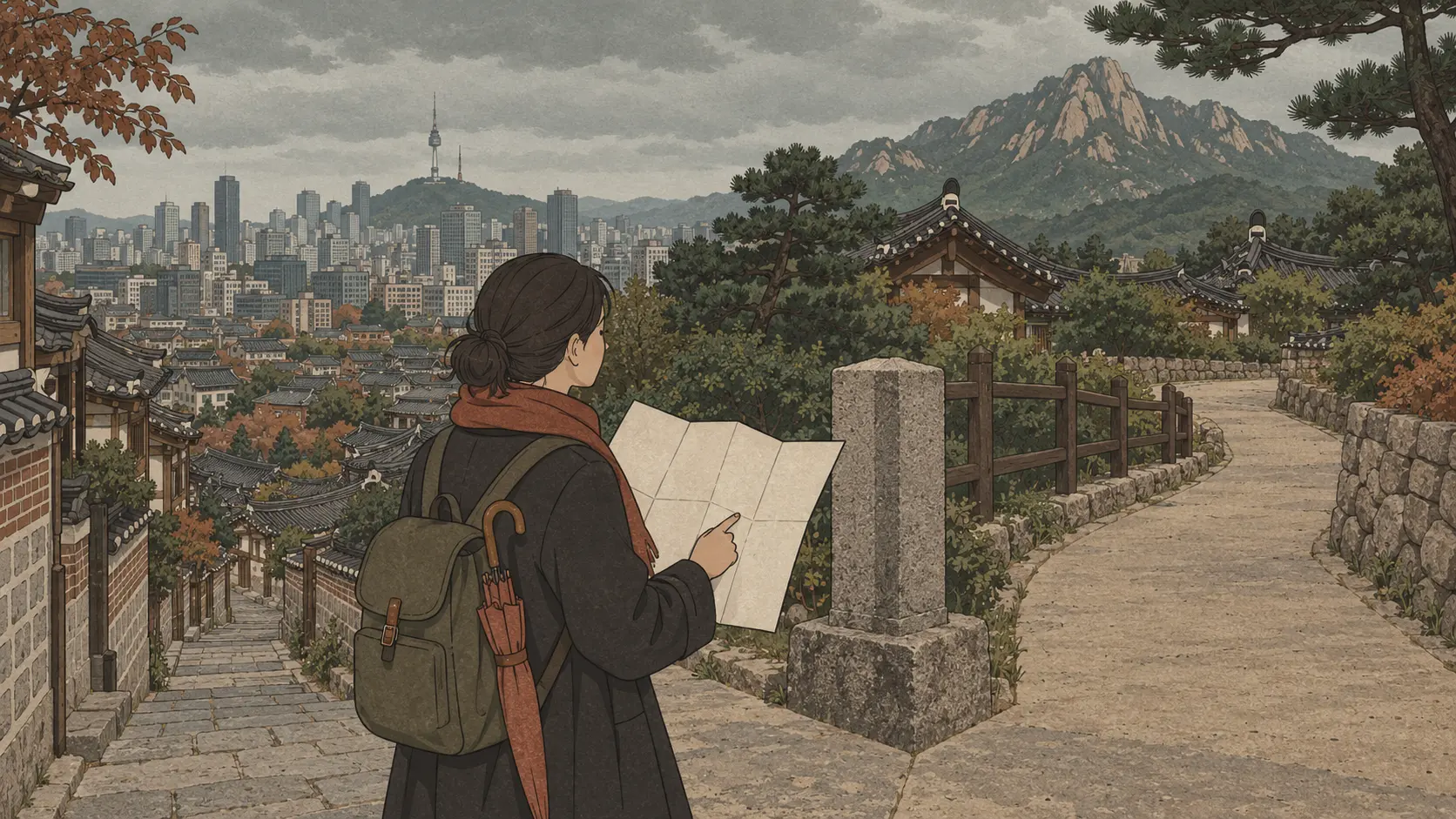
Bukchon is usually the easier choice for a first trip or a short itinerary. You can walk there after visiting Gyeongbokgung or Changdeokgung, then continue toward Samcheong-dong or Insadong. It suits travelers who want to see old hanok lanes while keeping several central Seoul attractions in one day.
Eunpyeong may fit better if you have visited Seoul before or want to escape the busiest central districts. The journey becomes worthwhile when you have time to photograph the hanoks against Bukhansan, visit Jingwansa, and look through the museum without rushing.
If your goal is to take a few photographs and move directly to the next attraction, Bukchon is more efficient. If you value quiet walking and open mountain views, Eunpyeong may be the stronger choice. Both are residential neighborhoods, so visitors should avoid loud conversation, blocking doorways, or looking into private homes.
Practical Access, Buses, and Visiting Hours
For Bukchon, Anguk Station on Subway Line 3 is the simplest reference point. From the station, you can walk toward Bukchon Cultural Center, Gyedong-gil, and the Gahoe-dong lanes. Bukchon has no single entrance or ticket gate. It is a network of residential streets, so choose the lanes or nearby palace you want to see before following a map pin labeled only “Bukchon Hanok Village.”
The red zone around Bukchon-ro 11-gil has restricted tourist hours. According to Seoul’s official notice, tourists may enter that zone from 10:00 a.m. to 5:00 p.m. Tourist access is restricted from 5:00 p.m. until 10:00 a.m. the following day, and violations may result in a KRW 100,000 fine. The restriction does not cover every street in Bukchon, so check Seoul’s walking map and look for the red-marked area before visiting.
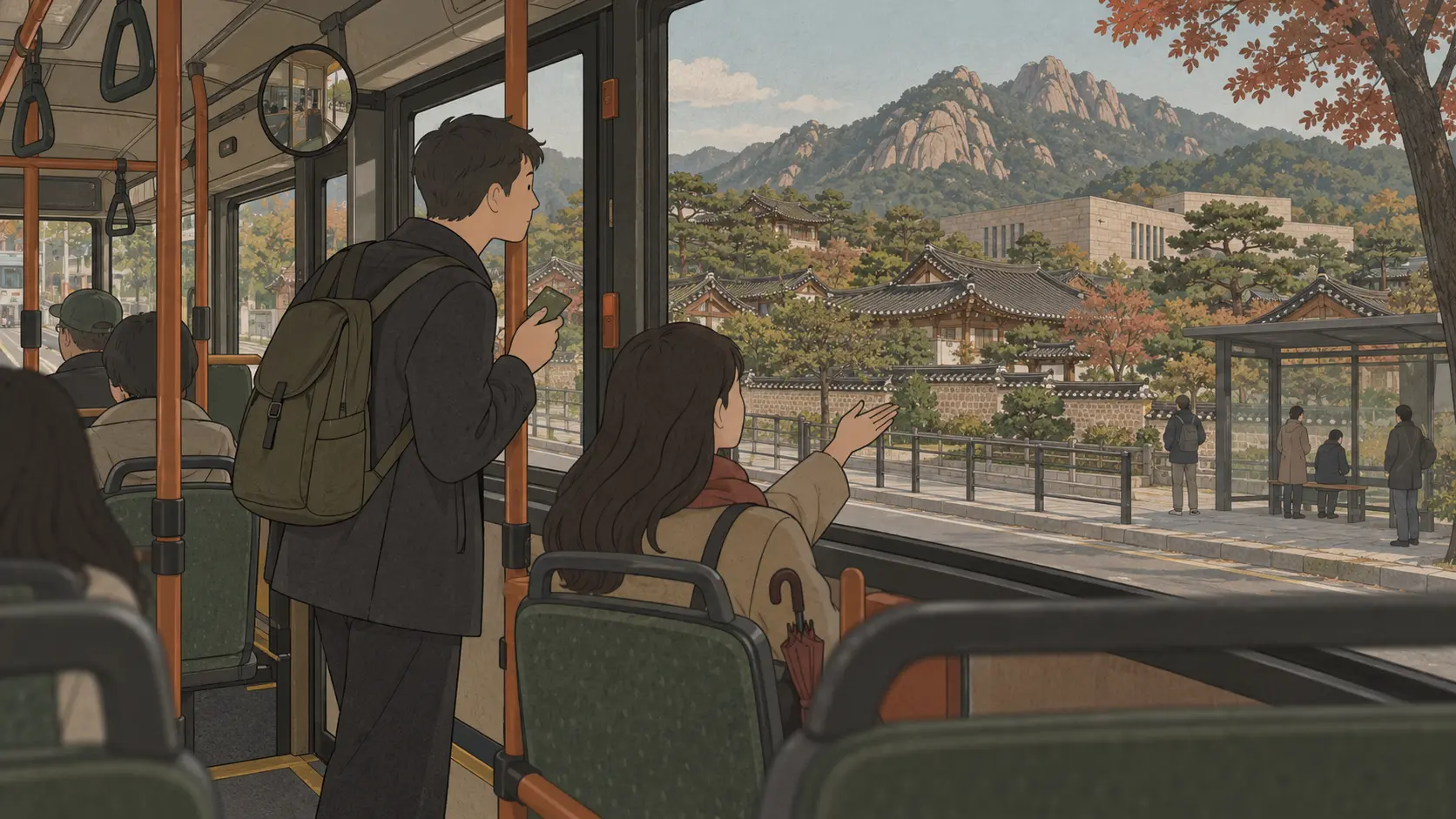
Eunpyeong Hanok Village is not directly outside a subway station. The last part of the trip requires a bus. One straightforward route is to take Subway Line 3 to Gupabal Station. Leave through Exit 4 and find the “Gupabal Station, Lotte Mall (Seoul City Center)” stop outside Lotte Mall Eunpyeong. Take bus 7723 or 7211 and get off at “Hanago, Jingwansa, Samcheonsa Entrance.” From there, you can walk toward Eunpyeong Hanok Village and the Eunpyeong History Hanok Museum.
You can also travel to Yeonsinnae Station on Subway Line 3 or 6. Leave through Exit 3, walk to the Yeonseo Market bus stop, and take bus 701, 709, or 7211. Get off at the same “Hanago, Jingwansa, Samcheonsa Entrance” stop. Saving the Korean stop name, 하나고·진관사·삼천사 입구, on your phone can make it easier to confirm the stop with a driver or another passenger.
The village streets do not have set admission hours, but the museum does. Seoul’s tourism information lists the Eunpyeong History Hanok Museum as open from 9:00 a.m. to 6:00 p.m., Tuesday through Sunday. It closes on Mondays, January 1, and the Lunar New Year and Chuseok holidays. When Monday is a public holiday, it closes on Tuesday instead. The listed adult admission is KRW 1,000.
After the museum, you can walk through the village, stop at a café, or continue along the deck path toward Jingwansa. Combining the museum and temple gives the long trip more purpose than turning around after a short walk among the houses. Bus routes and museum schedules can change, so check an up-to-date map app and the official museum information on the day you travel.
The information in this article comes from Seoul’s notice on Bukchon visitor restrictions, Seoul and Eunpyeong District tourism information, Reddit questions and replies from foreign travelers, and Korean writing about both neighborhoods. Transport routes and opening hours are the parts most likely to change, so treat them as a route to verify rather than a timetable to memorize.
I Want to See Both for Myself
Before looking into this topic, I did not know that foreign travelers compared Seoul’s hanok villages in such detail. I thought of Bukchon as a famous tourist site and knew little more than the fact that Eunpyeong also had a hanok village. Seeing travelers discuss mountain views, crowd levels, and whether an hour of travel was justified made me feel that visitors from outside Korea were sometimes looking at the country I live in more carefully than I was.
I still cannot compare the atmosphere of the two places from personal experience, and I do not want to pretend that I can. Now, however, I understand why the decision matters. In Bukchon, I want to see how an old residential lane meets a modern tourist destination. In Eunpyeong, I want to see how newly built hanoks sit against Bukhansan.
I plan to visit them before long. If possible, I would rather walk through them slowly on separate days than rush through both in one afternoon. For your own trip, combine Bukchon with the palaces if this is your first visit to Seoul, or combine Eunpyeong with Jingwansa when you have a quiet half-day to spare.
FAQ
Which is better if I can visit only Bukchon or Eunpyeong Hanok Village?
Bukchon is the easier option for a first trip with limited time because it connects naturally with Gyeongbokgung Palace, Changdeokgung Palace, and Samcheong-dong. Eunpyeong may suit you better if you have already explored central Seoul and want a quiet walk with views of Bukhansan.
Is Eunpyeong Hanok Village worth the extra travel time?
The journey may feel long if you only walk briefly through the village and return. Combining Eunpyeong Hanok Village with Jingwansa Temple, the Eunpyeong History Hanok Museum, and a short Bukhansan walk gives the half-day a clearer purpose.
Can I visit Bukchon Hanok Village at any time?
No. Tourist access to the restricted red zone around Bukchon-ro 11-gil is limited to 10:00 a.m.–5:00 p.m. People live in the neighborhood, so keep noise low and respect their privacy even during permitted hours. Check Seoul’s official map and latest notice before your visit.