A Travel Guide to November in Korea
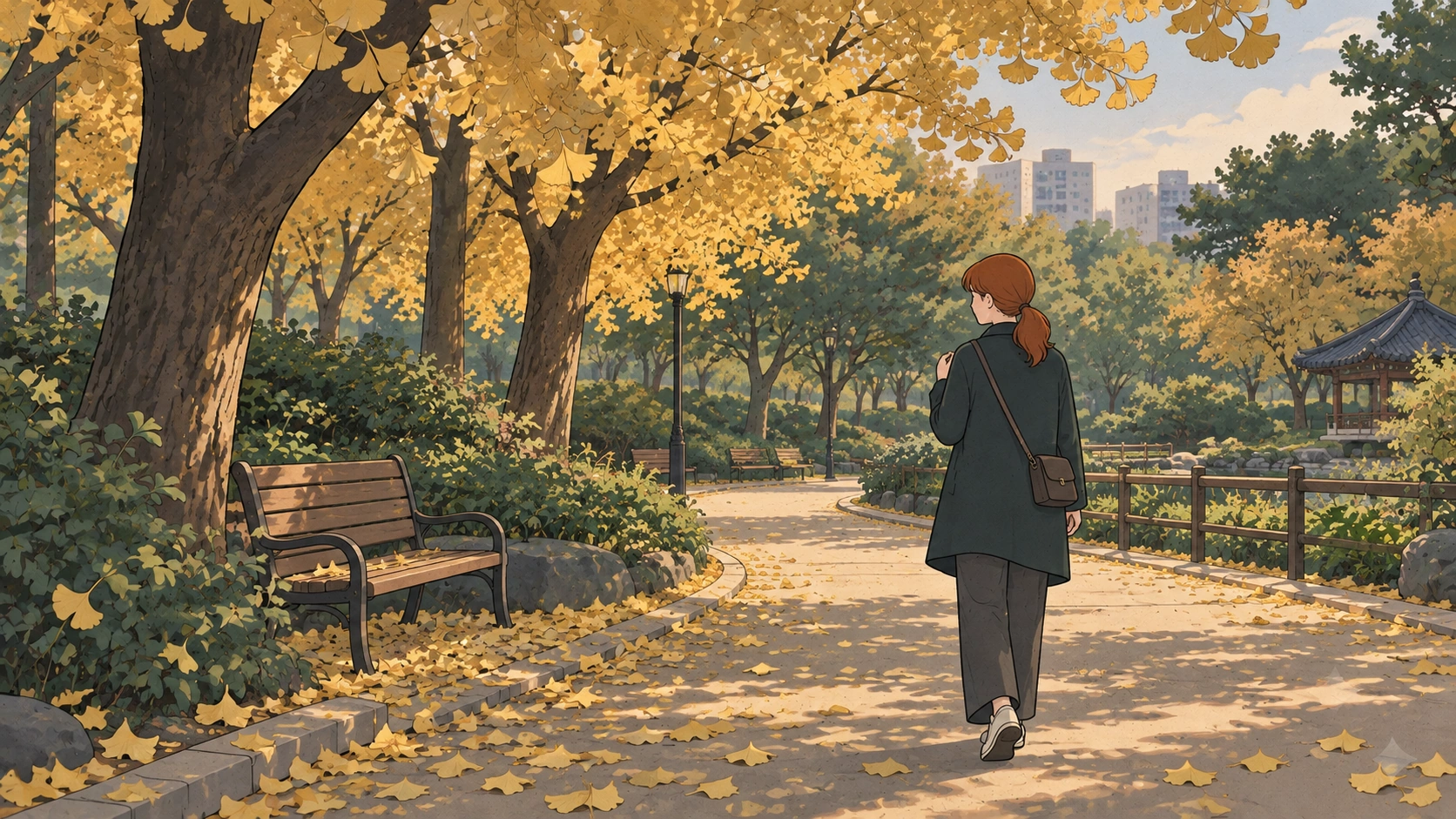
November in Korea is when I go looking for autumn leaves close to home. Working full-time made it difficult to travel far, but I knew several places with beautiful ginkgo trees and would go there for an outing. I could find autumn within my usual surroundings without making a trip to a famous mountain.
I feel the heat easily, so I like autumn and winter, especially October and November as the weather moves toward winter. I dislike extreme cold too, but given a choice between heat and cold, I would choose the cold. That does not mean you should arrive with thin clothes. The temperature I enjoy and the temperature that lets you walk comfortably may be different.
With November approaching, this guide brings together the clothing decisions and dates you can check before your trip, alongside my much simpler way of enjoying the season.
I can still go out to see ginkgo trees
An autumn foliage outing might make you think of a trip into the mountains. In my case, finding time to travel far while working was difficult. Instead, I went to places I knew that had ginkgo trees. Knowing several such places meant that seeing autumn leaves did not have to become a major trip.
I do not have enough detail to introduce those locations by name and give you precise directions here. What I can pass on from my experience is that you can enjoy the season without covering a long distance. Start by checking the trees in parks or walking routes near your accommodation. Keep a nearby walk alongside any distant foliage destination on your itinerary, so you can choose according to the weather and travel time that day.
My habit of going out to see ginkgo trees does not guarantee that their leaves will be at their best when you arrive. Look for recent photographs and updates from the place you want to visit. Avoid planning as though the entire month were one continuous period of peak autumn color.
November in Korea weather, clothing, and dates
Here is the practical information in one place. The dates below refer to November 2026. If you read this monthly guide in another year, check the university entrance exam date and event schedules again in particular.
Weather and what to pack
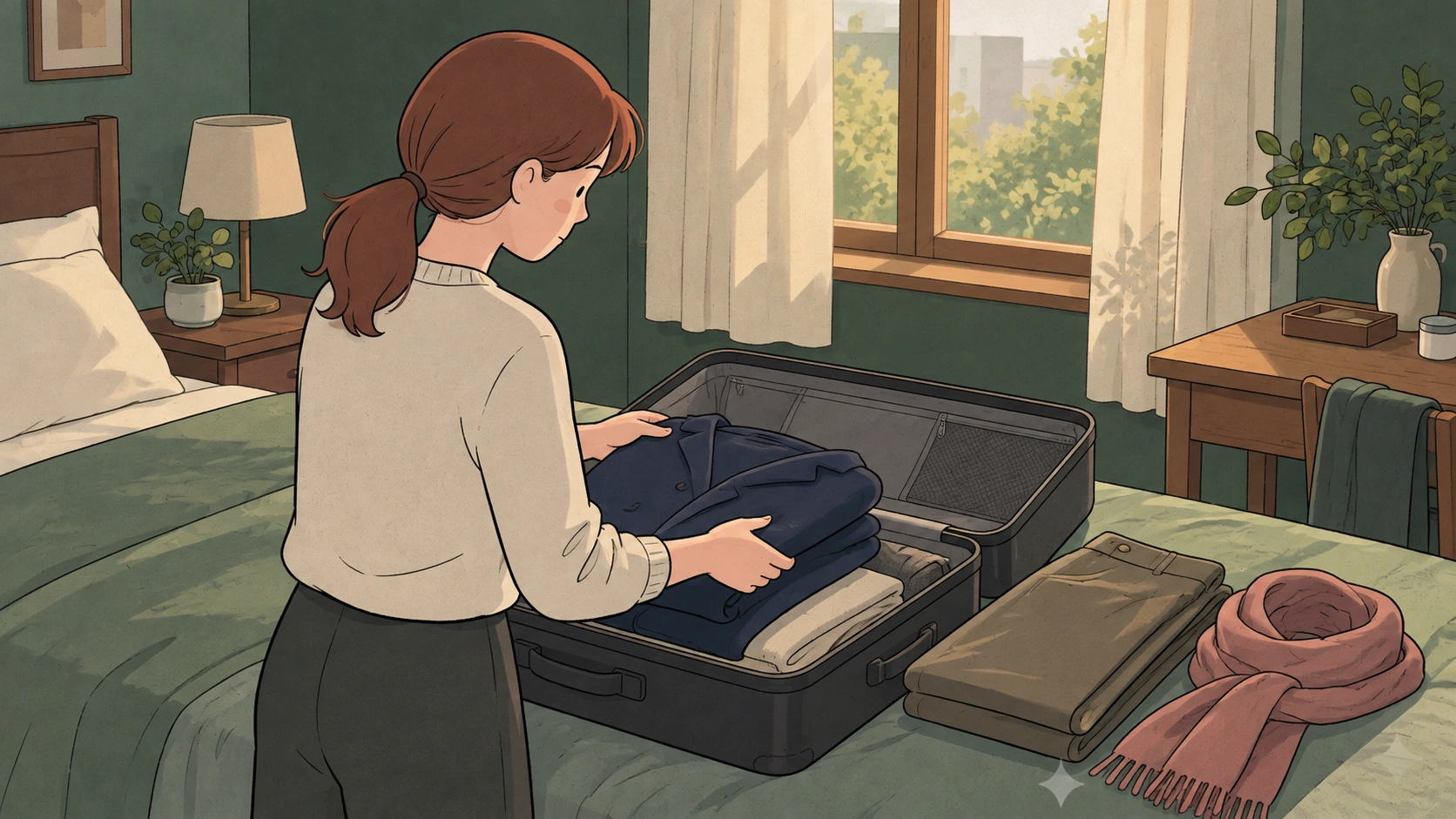
The Korea Tourism Organization describes autumn as September through November and recommends layers, with a jacket or coat, to accommodate changing temperatures. An average temperature for the whole season is not a forecast for every Korean city in November. Shortly before departure, check the forecast for the cities you will actually visit, rather than checking Seoul alone. Look at morning and evening temperatures as well as daytime temperatures.
I think of November as a time for long sleeves and long trousers. Pack those as your starting point, then add an outer layer you can take off and carry. If you feel the cold easily or plan to remain outside late, consider a warm coat and a scarf too. Choose their thickness according to your travel dates and the forecast.
If you are heading into Gyeonggi Province or other areas outside Seoul, bear in mind that your destination could be colder than Seoul. That does not mean every place outside the capital is colder. Check the particular area and how long you will be outdoors, instead of deciding how cold it will be from a city name alone. Avoid assuming that the same outfit you wore in Seoul will cover your entire trip.
November 11 is Pepero Day
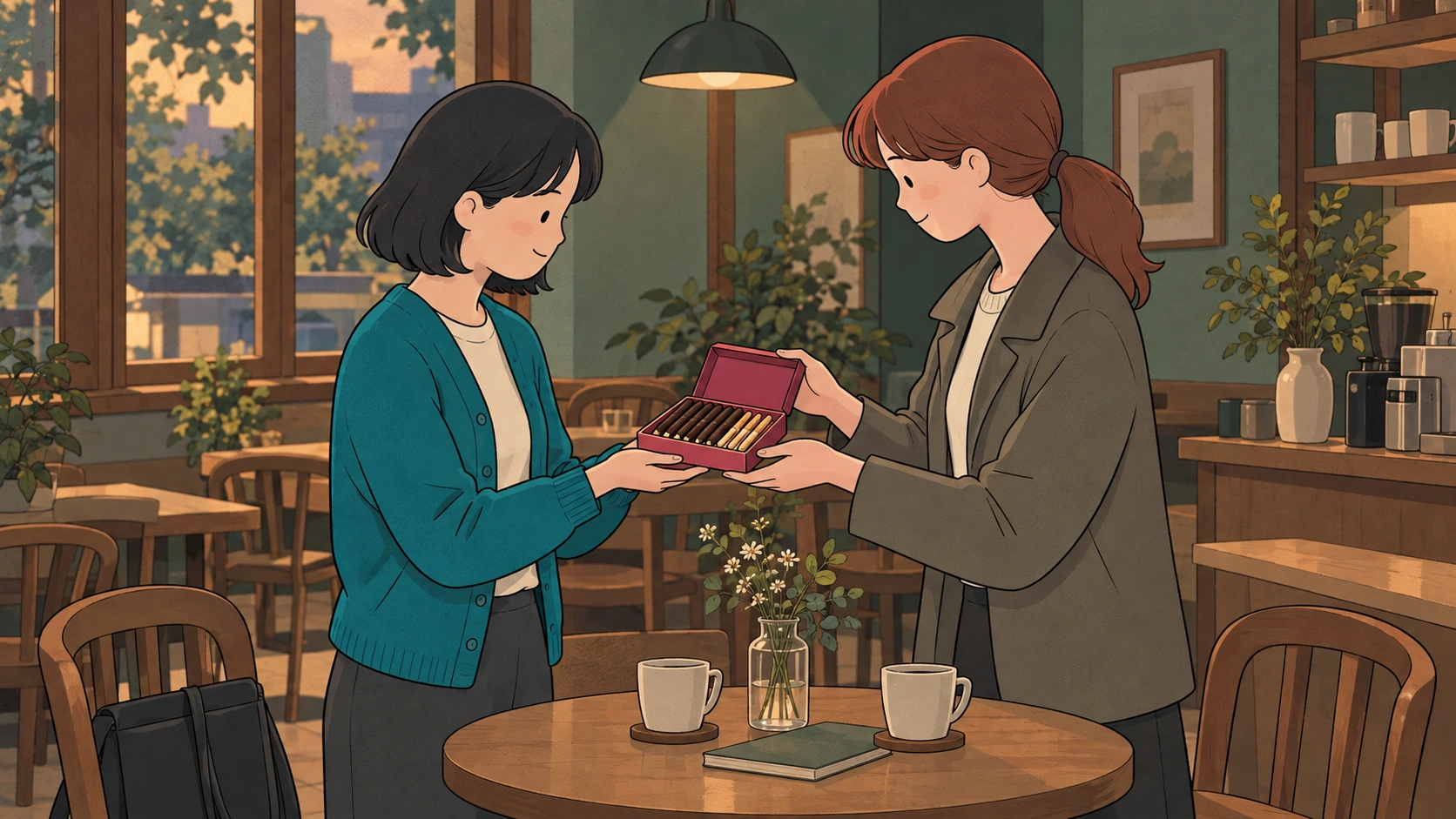
Pepero Day (빼빼로데이, a day for exchanging Pepero biscuit sticks) falls on November 11. A cultural introduction on Korea.net also describes the custom of exchanging these snacks. Think of it as an everyday gift-giving custom. It is a date to keep in mind if you would like to give someone a small present, but taking part is not a requirement for visitors.
Thursday, November 19 is the university entrance exam
The Ministry of Education has announced November 19, 2026, as the date of the 2027 academic year’s College Scholastic Ability Test, known as suneung (수능, Korea’s major university entrance exam). The academic year in the name differs from the calendar year in which students sit the exam, so pay attention to the actual date.
As a traveler, knowing that this is an important exam day is enough. If you pass near a test venue, keep quiet and check any transport notices issued for that day. Specific changes to service times need confirmation before you rely on them.
Finding festivals and events
Choose November events after checking the region and dates in the Korea Tourism Organization’s official festival listings. An event mentioned in last year’s autumn article will not necessarily happen on the same dates this year. Before adding it to your itinerary, check whether it overlaps with your trip and whether opening hours or reservation instructions are available.
The same month can feel different to different travelers
Someone arriving from a cold country and someone arriving from a warm region such as Southeast Asia may experience the same Korean November differently. Nationality alone does not tell you how well someone handles cold. The weather you are used to at home, however, is useful to consider when packing.
If you are arriving from a cold country
If you regularly walk outdoors in cold weather, Korea’s November may feel like a fairly manageable late autumn. One Canadian traveler posted on a Reddit travel forum about visiting Seoul, Busan, and Jeju from November 15 to December 1, 2025. They described the cold as manageable, although they often used a scarf while walking in Seoul. There were also times when they could wear short sleeves in Jeju. They personally preferred this trip to their summer visit.
That was one traveler’s experience. It is neither this year’s temperature forecast nor a rule that everyone will be comfortable with a light jacket. Even if you are used to cold weather, consider whether you need a coat and scarf alongside the forecasts for your destinations, especially if you will move between regions or keep walking into the evening.
If you are arriving from a warm region
If you normally wear short sleeves and have little experience of long walks outdoors in cold weather, another traveler’s description of the cold as manageable is a poor basis for choosing your clothes. The same temperature may feel quite cold to you. Begin with long sleeves and long trousers, then consider additional layers, a warm coat, and a scarf. If you plan to leave early in the morning or walk after sunset, do not pack according to the daytime high alone.
Preparing warm clothing may itself be unfamiliar. In a Reddit discussion, a traveler who identified themselves as being from Singapore asked about a January trip to Seoul. They wanted to know whether a denim jacket and jeans would be enough and whether they could buy an inexpensive coat after arriving in Korea. Another traveler in the same discussion, who said they came from a tropical region and felt the cold easily, described wearing thermal underwear and sweaters in layers during winter in Seoul.
That conversation concerned midwinter, so you do not need to copy those clothing choices for November. If you live somewhere warm and rarely use cold-weather clothing, though, prepare something to wear between the airport and your accommodation instead of relying entirely on shopping after arrival.
I like November because I prefer cold to heat and enjoy the approach of winter. My preference, or one Canadian traveler’s account, cannot stand in for how you will feel. You might come from a cold region and still feel the cold easily, or come from a warm region with plenty of experience traveling in colder places. Consider your familiar weather, your own sensitivity to cold, and how long you will spend outside on this trip.
Keep one nearby walk and one indoor option
My autumn outings fitted around a working person’s limited time. I went to nearby places where I knew there were ginkgo trees. You do not need to fill every day of your visit with distant outdoor destinations either. Choose one walk that is easy to reach from your accommodation, and keep an indoor activity ready if the weather does not suit it.
If you are considering an outing beyond Seoul, you can also read my Pocheon Art Valley guide. It is a separate guide to help you assess a destination and its travel requirements; I am not identifying it here as one of my ginkgo-viewing spots.
Before departure, check your destinations’ forecasts and pack long sleeves, long trousers, and suitable outerwear. Check the recent condition of any foliage you want to see. Mark November 11 and this year’s exam date on your calendar, then use the official festival listings to choose events that fit your travel dates.
FAQ
What clothes should I pack for a November trip to Korea?
I consider long sleeves and long trousers the starting point. Add an outer layer that is easy to put on and take off, and consider a warm coat and scarf if you feel the cold easily or expect to spend a long time outdoors. Choose the thickness after checking daytime, morning, and evening forecasts for the cities you will visit.
Can I see autumn leaves everywhere in November?
That cannot be guaranteed. I often go to nearby places where I know there are ginkgo trees, but that does not describe foliage timing across every region. Check recent photographs and updates from the place you want to visit, and choose a nearby walking option as well.
Which dates should I know about for a November 2026 trip?
Pepero Day is November 11, and this year’s university entrance exam is on Thursday, November 19. Think of Pepero Day as an everyday custom of exchanging snacks. If you pass near an exam venue on exam day, keep quiet and check transport notices for that day. Check official tourism listings separately to see whether regional festivals overlap with your trip.