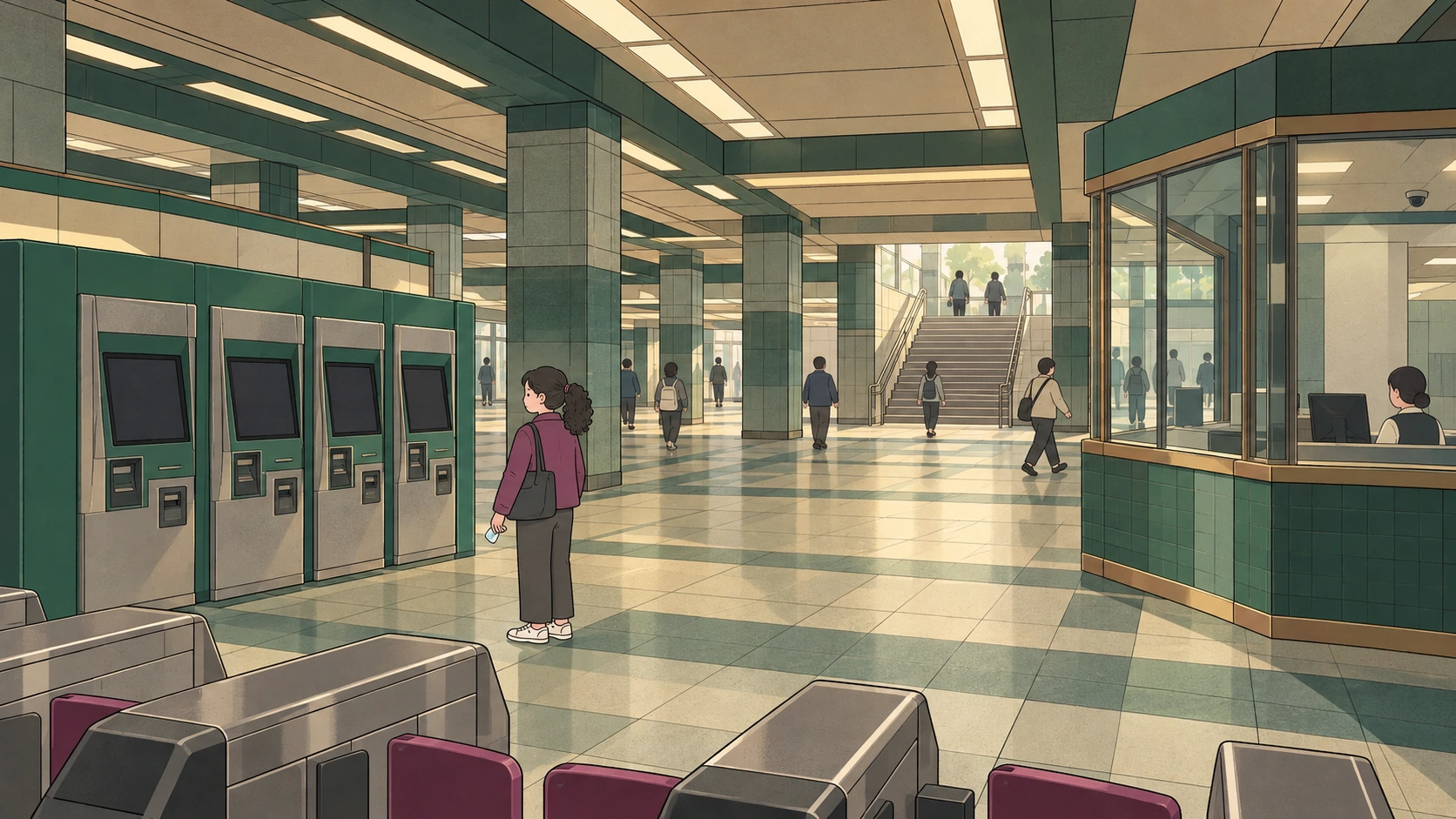
T-money Card Not Working? Check Your Balance and Get Help
I know how flustered a T-money card not working can leave you. It happened to me once while boarding a bus with a friend to go to Gangnam. I do not usually carry cash, so I was very flustered at that moment.
The problem that time was the card’s reader chip. I switched to another card and tapped again, which resolved the situation. My experience with my own card does not explain every error a traveler might encounter with T-money. Still, I have experienced a card suddenly failing after working normally before.
This article covers the physical, rechargeable T-money cards travelers use. Mobile transport cards on your phone have different settings and top-up methods, so you should not apply everything below to them directly.
A Beep Alone Does Not Tell You What Went Wrong
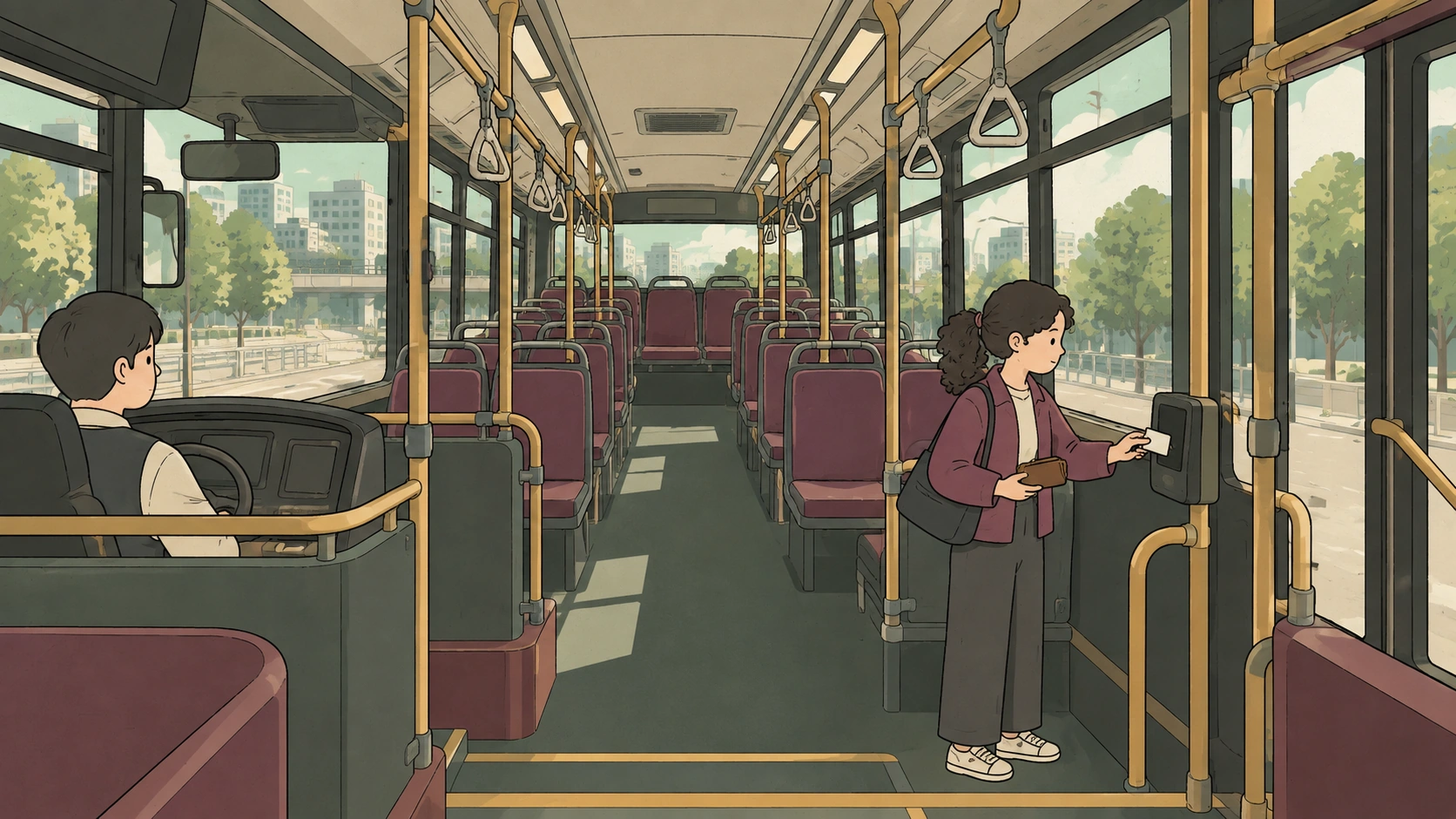
My problem was not an insufficient balance. I no longer use a rechargeable transport card, and I have never heard the “insufficient balance” announcement while using my own card on a bus. The day my card failed to register needs to be distinguished from a situation where the money loaded onto a card has run out.
If your card does not register during your trip, check the reader’s message before deciding from the sound alone that it is faulty. What you need to check depends on whether it reports insufficient funds, asks you to present only one card, or gives no response at all. If you cannot understand the Korean announcement, you can show the screen or your card to a staff member.
I had another card available and could switch to it. That does not mean a traveler’s other bank card will work on a bus in the same way. Before trying to follow my example, check that the card you have can actually be used to pay for public transport.
The Passengers I Saw Get Off After “Insufficient Balance”
Occasionally, while riding a bus, I have heard another passenger’s card trigger the insufficient balance announcement. The people I saw simply got off afterward. I did not see where they went to top up.
I cannot say that every Korean responds in this way. Getting off was the end of the scene I personally witnessed. I would not advise a traveler to take a seat regardless when their card has no money left. If payment has not gone through, let the driver know and follow their guidance.
My memories of using a rechargeable card go back to 1997, when I was in high school. When I received my allowance, I calculated the transport money I would need to get to school and home until my next allowance. I loaded that amount plus another 2,000–3,000 won, leaving a little room beyond the exact cost of my school journeys.
I am not saying that the card I used then was the same as today’s T-money. Neither the fares at that time nor the extra amount I loaded can serve as a budget for your trip today. What I can describe is the habit of setting aside the money needed for those journeys first.
T-money Card Not Working? Checks for Cards, Balance, and Transfers
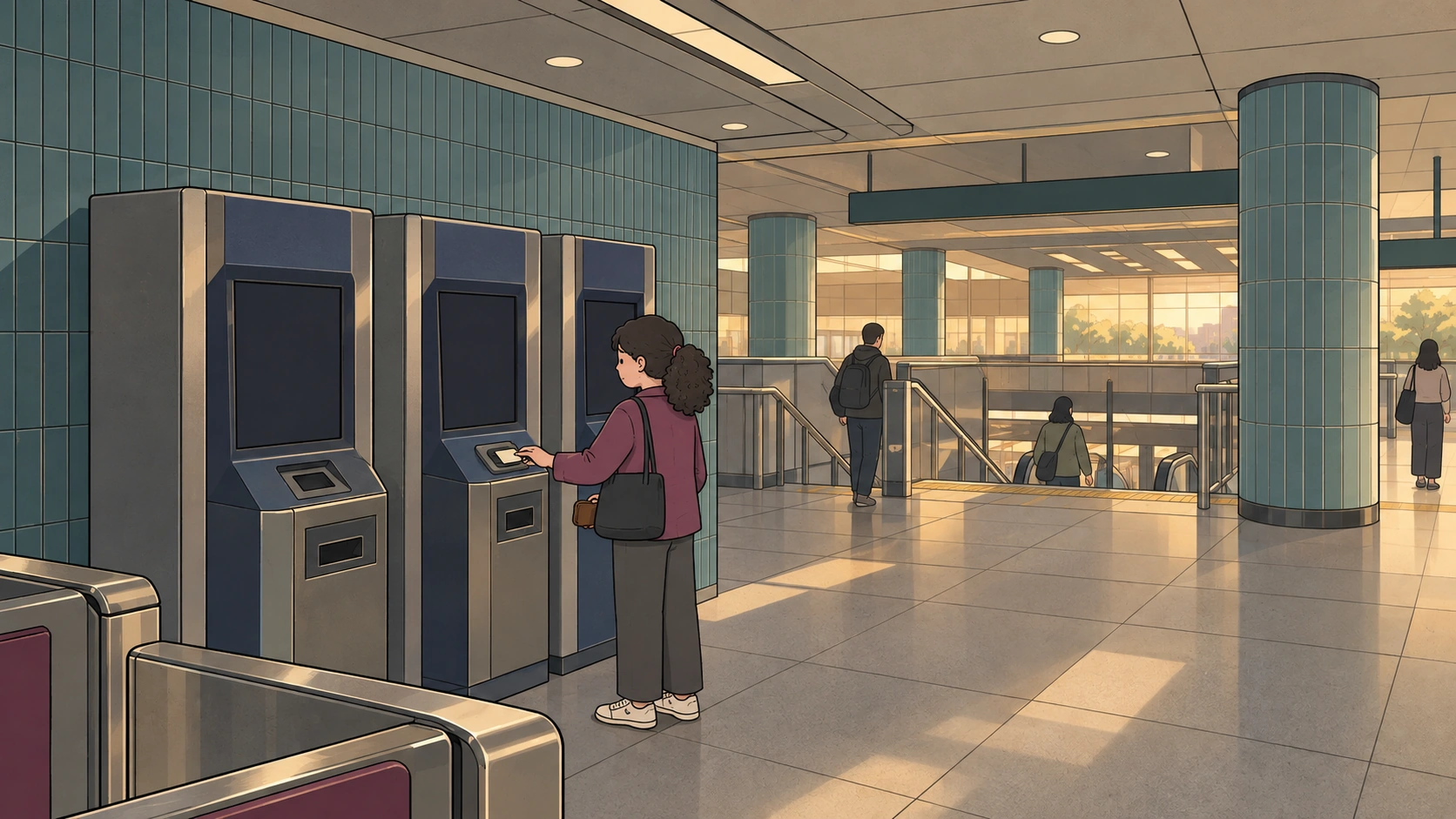
I will bring the practical steps together here. Start by separating a card that cannot be read from a card that was read but produced a fare you did not expect.
Take out just one physical card first. If you were tapping your whole wallet or phone case, remove the T-money card you intend to use and hold it against the reader on its own. This is especially worth checking first if the reader asks for only one card. If it still does not register, show it to the driver or a station employee instead of repeatedly trying in the same place.
Top up if the message says the balance is insufficient. You can reload T-money at participating convenience stores or subway station top-up machines. Check the balance at a station machine, or ask a convenience store employee to check and reload it. You can say T-money chungjeonhae juseyo (티머니 충전해 주세요, “Please top up my T-money”) and tell them the amount you want to add. Carrying a little Korean won cash for top-ups helps when you encounter a machine that uses cash. Do not expect every top-up location to accept an overseas bank card.
If a top-up machine cannot read the card either, check its type and condition. Show both sides to a staff member and ask whether it really is T-money and whether that machine can reload it. For a rechargeable T-money card, having no balance and being unreadable are different problems. Ask for an on-site check of a possible fault. Even if you need a replacement, keep the old card and ask how its remaining balance can be handled.
If a transfer fare seems wrong, check your tap-off record. Seoul’s bus transfer guidance requires you to tap when getting off and generally board the next service within 30 minutes. Between 9 p.m. and 7 a.m. the following morning, the window is 60 minutes. Boarding the same vehicle or the same route again does not qualify for a transfer discount. A fare charged under these conditions should not be treated as a card fault. Continue using the card you tapped with when boarding. If you missed a tap-off or are stuck at a subway exit, explain your journey to a staff member instead of trying to fix it by tapping a different card.
Travelers Reported Different Results with Similar-Looking Cards
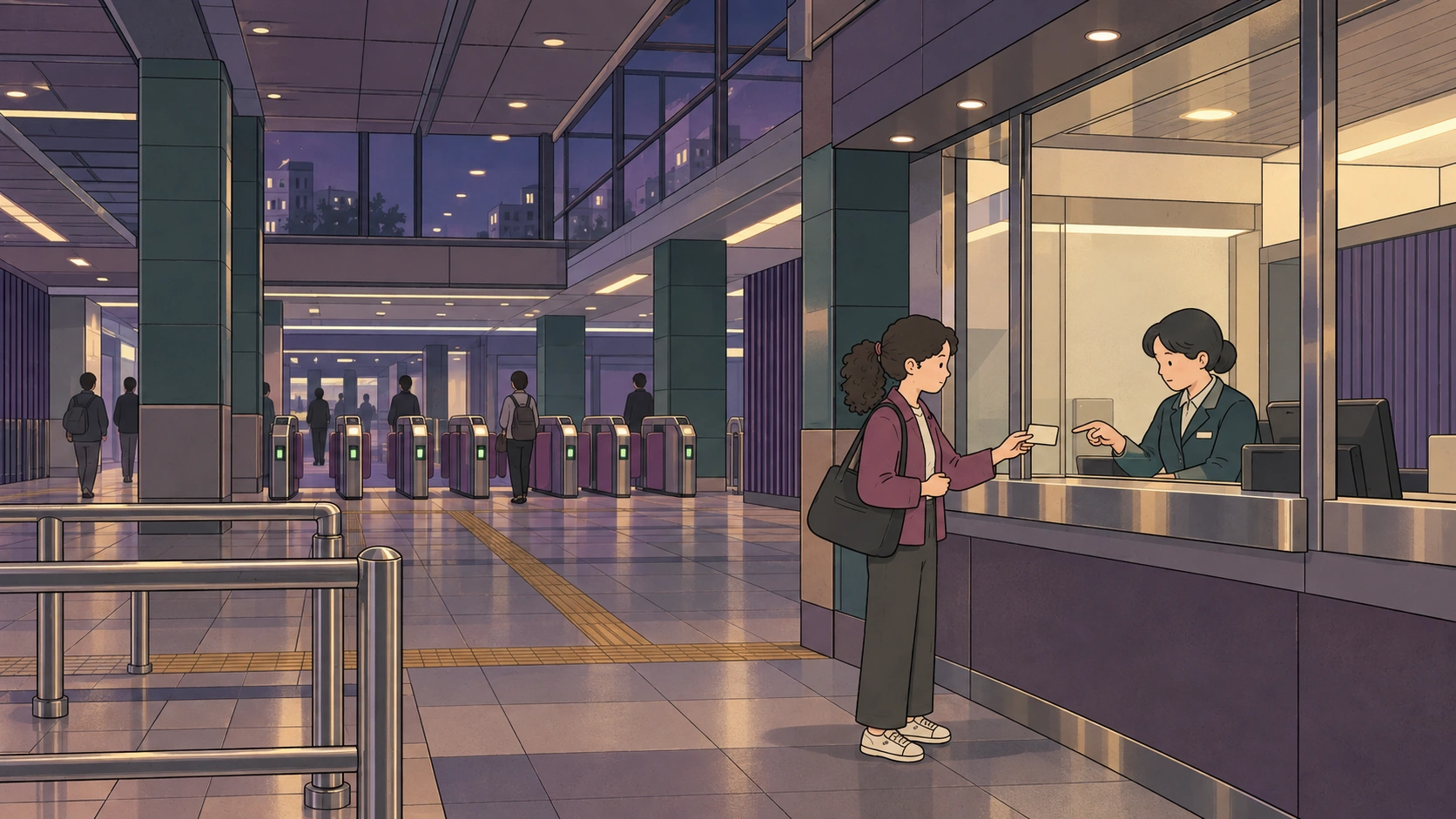
I have not received and topped up a Korean transport card as an international traveler. To understand the confusion travelers encounter over card names and whether a card can be reloaded, I looked at their actual accounts.
One traveler on Reddit wrote that several subway top-up machines could not recognize a tourist card they had received for free. They later added that a 7-Eleven could not reload it either. However, another person in the same thread said they had loaded 10,000 won at a machine in Euljiro 3-ga Station. A further commenter reported reloading cards at machines in different subway stations.
The comments also disagreed about whether the card was T-money, a different company’s card, or still had a transport function. That thread alone cannot establish its exact type or the reason it failed. It cannot be used as evidence that ordinary T-money cards fail everywhere either.
What I can pass on to you is a concrete order for checking. Do not assume that a card is T-money simply because you received it; show its name and markings first. Getting it checked where you are is better than expecting your card’s condition to match a successful account in the comments.
On my bus journey to Gangnam, switching cards was enough to resolve the problem. During your trip, first check the balance and whether the card can be read at a nearby station or participating convenience store. Tell the employee whether the issue is “the balance is insufficient” or “the card cannot be read,” and finish checking and topping up before boarding your next bus.
FAQ
Should you buy a new T-money card immediately if yours does not register?
Do not immediately assume it is faulty. Take out just one card and check again. Look for an insufficient balance message or a failure to read the card itself, then ask a station employee or participating convenience store to check it. Even if a replacement is needed, do not throw away the old card before asking how its remaining balance can be handled.
Where can you check the balance and top up?
Use a subway station top-up machine or a participating convenience store. At a convenience store, show your card and ask for a balance check. You can say “티머니 충전해 주세요” (“Please top up my T-money”). Keeping a little Korean won cash helps you prepare for top-ups that require cash.
What should you do if you tap your wallet and the reader asks for only one card?
Take out the T-money card you intend to use, separate it from your wallet and phone, and tap it on its own. If it still cannot be read, show the message and card to the driver or a station employee instead of tapping repeatedly.
Is your card faulty if it is read but a transfer fare is charged?
Being charged a fare alone does not mean the card is faulty. In Seoul, you need to check conditions such as your tap-off, the transfer time window, and whether you boarded the same route again. If a tap-off record is missing or you are stuck at an exit, explain where you boarded to a staff member and follow their guidance.