When You Need Cash in Korea Even If You Usually Pay by Card
“How much cash do I need for a few days in Seoul?” When you plan how to use cash in Korea, that is an obvious place to start. My answer as someone who lives here may sound a little unhelpful at first: I usually carry none.
I do not have a fixed amount that I keep in my wallet. Paying by card means I can leave the notes and coins out of my pockets, which suits me. That makes it easy for me to tell a visitor, without thinking very hard, “Won’t a card do?”
But my Korean-issued card and a visitor’s overseas-issued card are different things. My habit of carrying no cash is particularly unhelpful when you need to top up a transport card. Before counting the days of your trip, work out what you will actually pay for in cash.
Cash in my wallet creates a small problem
Sometimes relatives in their seventies or eighties give me cash and tell me to buy something nice to eat. Once that money reaches my hands, I have a small problem. Spending it can leave me with change.
Handing over a note does not necessarily clear the cash out of my pockets. Unless the amount is exact, I have to carry the remainder around again. With a card, the payment would be finished; with cash, a little of it comes home with me.
Honestly, I sometimes think I would prefer that they did not give me the money at all. Someone has kindly given me money for a nice meal, and here I am worrying about the change. My cash-free habit has clearly settled in.
That does not mean every Korean feels this way. It tells you how rarely I need to prepare cash in my own daily life. It also explains why the amount in a Korean resident’s wallet is a poor starting point for your Seoul travel budget.
The place that sent me to an ATM was an arcade
When I tried to remember needing cash because a card would not do, an arcade came to mind before a restaurant bill. I wanted to exchange money for coins to play the games, but I had no cash. My usual way of paying had worked well enough until I needed those coins.
I did not give up on the games. I went to a nearby bank ATM, withdrew 10,000 won, and used the cash to play.
That 10,000 won was money for games on that particular day. It cannot become a rule that a visitor needs 10,000 won a day in Seoul. What the experience does show is that a specific purpose makes the amount easier to work out. Mine was coin-operated games; yours might be a transport-card top-up or snacks at a market.
If I try to pay by card and someone asks me to pay cash instead, my first thought is about reporting the refusal. I have no personal experience of businesses steering foreign visitors toward cash specifically. If I learned of such a case, I would want to help report it; being told to switch to cash does not feel automatically reasonable to me.
Still, an actual refusal to accept a card and a failed authorization on an overseas card are separate situations. The National Tax Service’s reporting process has conditions, including the business’s status as a credit-card merchant and whether an actual transaction occurred. A cash-only statement alone does not make every business subject to the same complaint.
When you may need cash in Korea during a Seoul trip
If a friend visiting Seoul for the first time asked me how much to bring, I would need to know their plans first. Cash for topping up a transport card is one detail that can differ from my everyday routine. The following points draw on official guidance checked in October 2026.
Topping up a physical transport card
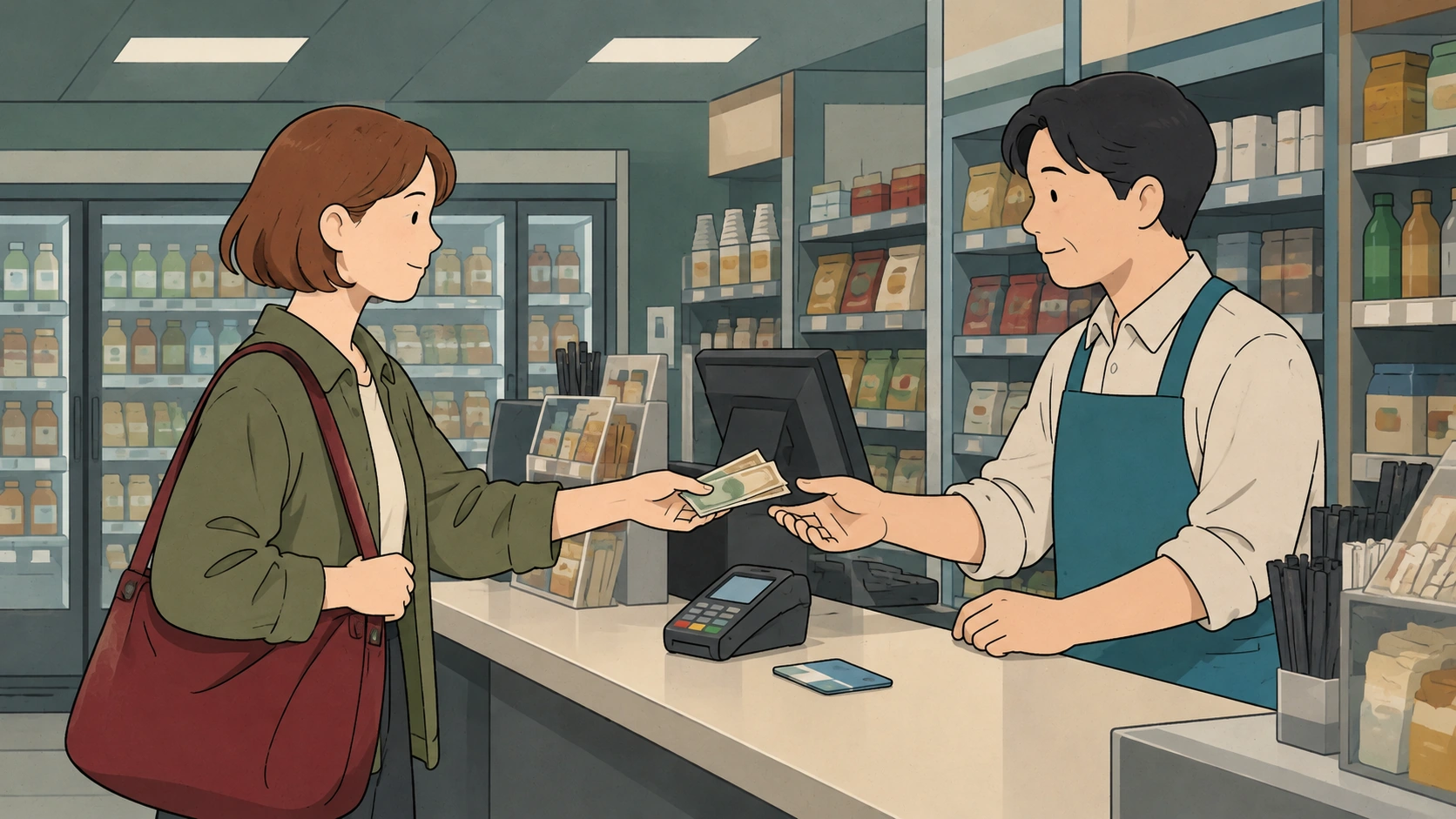
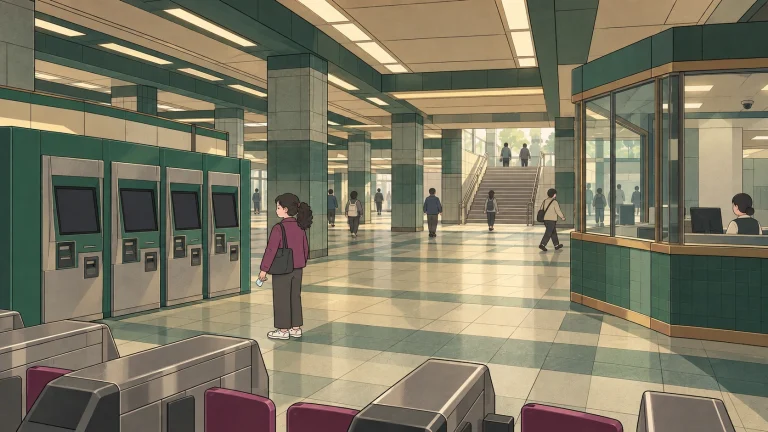
For a standard physical T-money card, it is practical to have Korean won ready for cash top-ups. Convenience stores and subway-station top-up machines are available. Being able to buy goods with an overseas credit card at a store does not mean that you can use it to add money to T-money there.
However, saying that every transport card requires cash would overlook the current guidance. Seoul announced that, from March 17, 2026, new ticket machines on subway lines 1–8 accept international credit and debit cards for buying and recharging short-term Climate Cards and purchasing single-journey tickets. That is separate from topping up a standard physical T-money card.
Choose your transport card first, then check its top-up method. Include only the amount you will actually load with cash in your cash budget. Do not set off assuming you can also tap an overseas bank card directly on every bus or subway reader.
Buying things at traditional markets and street stalls

The Korea Tourism Organization says that most shops accept cards, while some traditional-market businesses and street stalls may accept cash only. That does not make an entire market cash-only. Ask how you can pay before ordering food or choosing something to buy.
If a market is on your itinerary, set aside a separate amount for snacks or shopping there. Carrying cash does not mean you need to pay all your travel expenses with it that day. A mix that includes small notes can make small purchases easier.
One traveler on Reddit wrote that T-money and street food were where they needed cash. A contributor to another travel discussion also named transport cards and street stalls as cash expenses. Those two accounts cannot stand in for everyone’s spending, but they help explain why it makes sense to budget for specific uses instead of setting aside cash for every meal.
When your overseas card does not go through
The Korea Tourism Organization says international card brands can be used at many shops in Korea. Even so, the fact that my Korean card works smoothly does not guarantee that your overseas card will be authorized every time.
I have not personally experienced an overseas-card authorization failure here, so I cannot add a story about a particular card failing at a particular shop. Before traveling, check your issuer’s overseas-use settings and arrange another card or a way to obtain cash if a payment fails.
Exchanging money or withdrawing it from an ATM
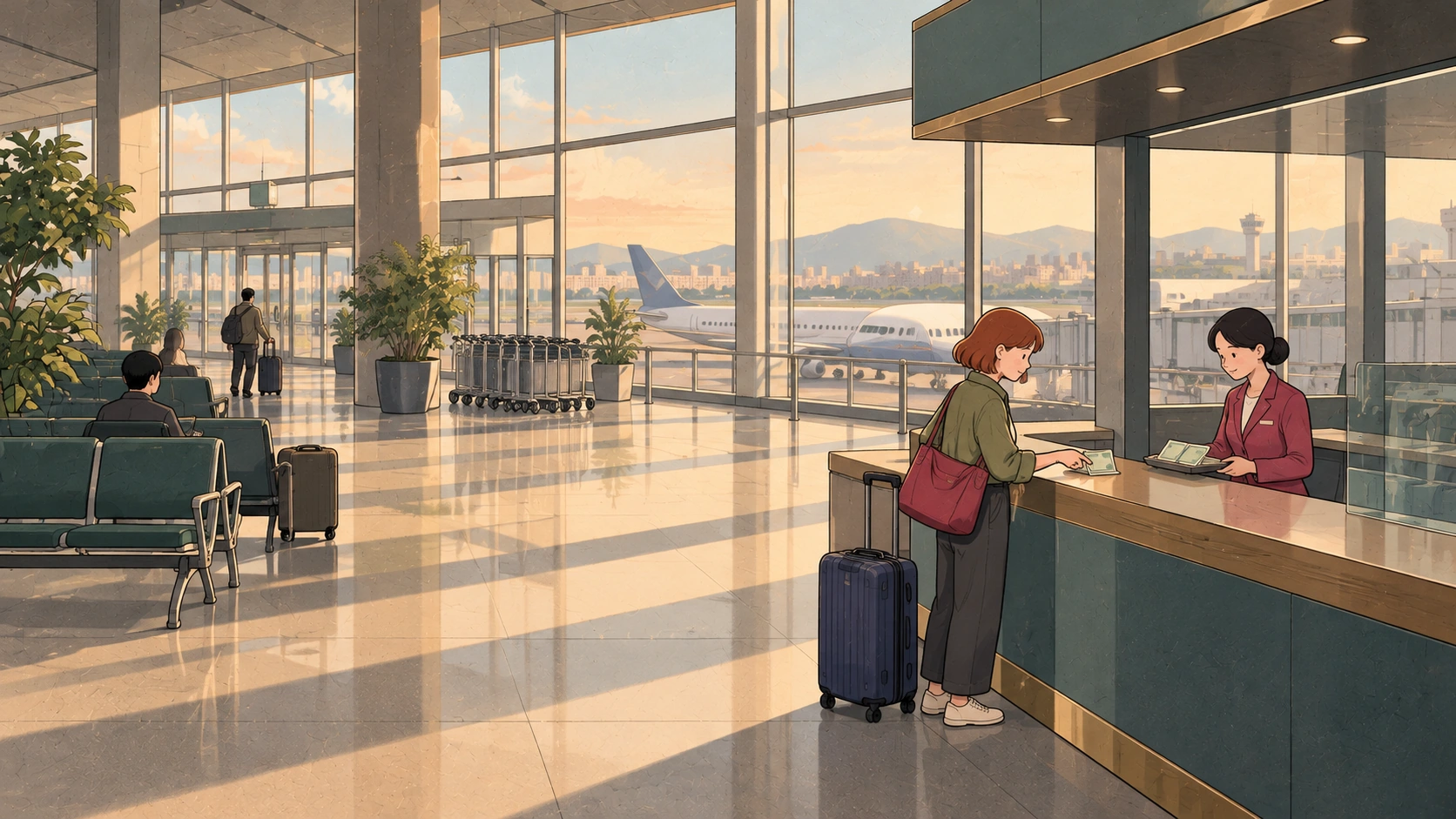
Banks and authorized money changers offer currency exchange, and the Korea Tourism Organization points to airport exchange counters as an accessible option after arrival. To withdraw won with an overseas card, look for a “Global ATM” sign and check that your card is supported. My easy withdrawal of 10,000 won from a nearby bank does not establish that an overseas card will work there too.
There is no single withdrawal fee I can quote for every situation. Mastercard explains that it does not set ATM fees itself and advises checking the card issuer’s policies as well. Before withdrawing, check the fee shown by the machine and your own bank’s overseas-withdrawal terms. I would not promise that either the airport or the city always offers the cheapest option.
Calculate the cash you will use first
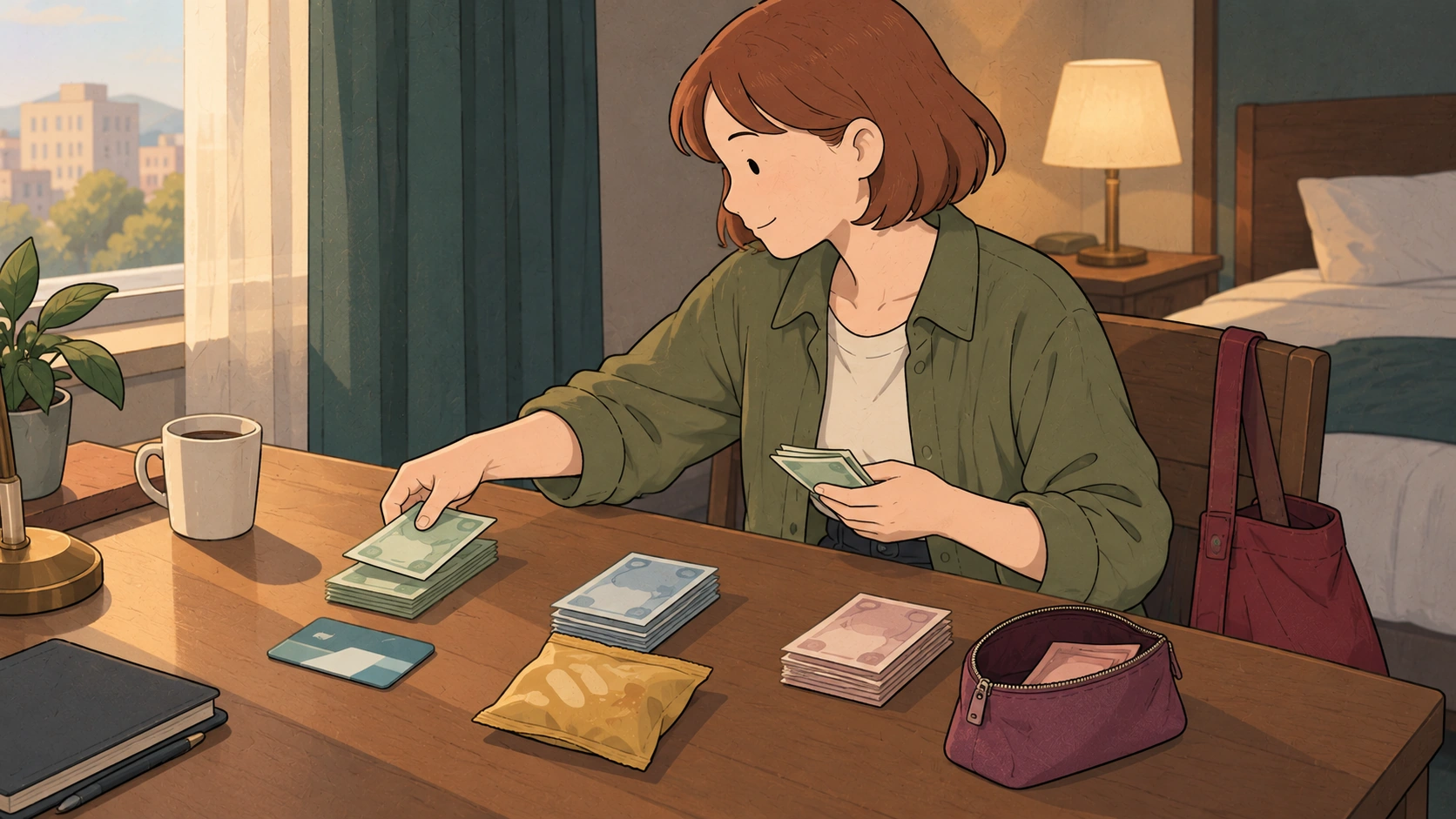
Break your cash allowance into three parts: transport-card top-ups you will pay for in cash, spending at markets or street stalls, and a reserve for card-payment problems. Your total travel budget and the amount you carry in cash are separate calculations.
For example, suppose you decide to load 20,000 won onto a transport card with cash, spend 10,000 won at a market, and keep 20,000 won as a reserve. The total is 50,000 won. These numbers demonstrate the calculation; they are neither an official recommendation nor a promise that the amount will last a certain number of days. A family traveling together or someone planning plenty of market shopping will have a different calculation.
Once you have cash for those first uses, see how well your card works and how quickly the cash goes before deciding on another exchange or withdrawal. Check where you can withdraw more and what it will cost. The useful part of my arcade story is the clear reason for needing cash, rather than the 10,000-won figure itself.
Finally, you do not need to build up a separate cash supply for tips at ordinary restaurants and cafés. The Korea Tourism Organization says tipping is neither required nor expected in Korea. If you come from somewhere tipping is customary, you can leave that item out of your Seoul cash budget. Start with money for transport-card top-ups and purchases you will actually pay for in cash.
Frequently Asked Questions
How much cash should I budget per day in Seoul?
The number of days alone is not enough to determine that. Calculate your cash transport-card top-ups, spending at markets and street stalls, and emergency reserve separately. The 50,000-won amount above illustrates adding those three items together; it is not a daily budget or an amount guaranteed to be enough for everyone.
Do transport cards always have to be topped up with cash?
For a standard physical T-money card, it is practical to prepare cash for top-ups. However, new ticket machines in the Seoul subway allow you to buy and recharge short-term Climate Cards with an overseas card. They also allow single-journey ticket purchases. Check both the type of card you are using and the payment methods supported by the machine.
If I run short, can I withdraw cash from any bank ATM?
First check whether the ATM supports overseas cards. Look for the “Global ATM” sign and confirm that your card is supported, then check the fees and your bank’s overseas-withdrawal terms before proceeding. I withdrew 10,000 won at a nearby bank for the arcade, but I used a domestic card. That does not guarantee the same result with an overseas card.
Should I also bring cash for restaurant tips?
You do not need a separate tipping budget for ordinary restaurant visits. The Korea Tourism Organization says tipping is neither required nor expected in Korea. Prepare cash around the places you will actually use it, such as transport-card top-ups, markets, and street stalls.