Can You Drink Tap Water in Korea? Yes, but I Use a Filter
My answer to “Can you drink tap water in Korea?” is yes. Seoul’s Arisu is also officially described as water you can drink straight from the tap. At home, though, I drink filtered water. Whether tap water is drinkable and which water I usually choose are two slightly different questions.
I would make that distinction for a traveler deciding what to drink at their accommodation, too. First, check whether the water is suitable for drinking. Then choose bottled, filtered, or tap water according to what feels comfortable. My use of a water purifier does not mean you have to buy bottled water throughout your trip.
Boiled water in childhood, filtered water at home today
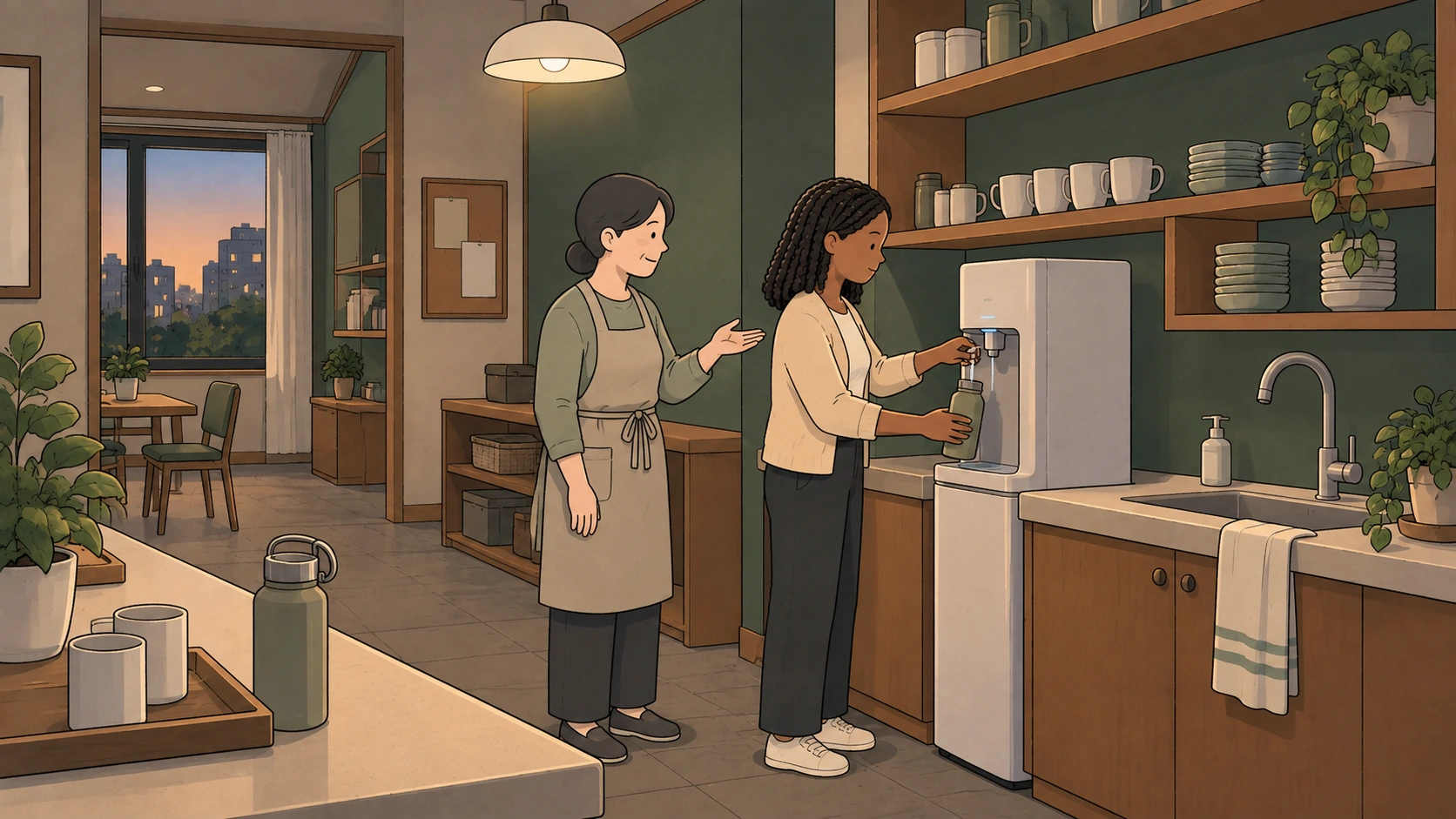
I am in my forties, and we boiled our drinking water at home when I was a child. Today, we have a water purifier, so I drink the water from that. I do not make a fresh assessment of tap-water quality every time I want a drink. An old household habit has changed with the equipment available at home.
The waterways in my childhood memories looked different from those I see today. I remember problems in a stream and fish dying in large numbers. As a child, I did not have the impression that rivers and streams were always kept clean. That memory stayed with me alongside the habit of drinking boiled water at home.
I do not have records that would let me explain the exact year or changes affecting particular plants and animals. My memory alone cannot describe the quality of Korea’s entire water supply at the time. It does, however, help explain why filling a glass straight from the tap never became familiar to me.
The Han River I see today is different from the one in those memories. I also feel that plants and animals around the waterways that used to be hard to spot have returned. Changes in the river do not immediately change the way I drink water, though. There is a purifier at home, and I still get my drinking water from it.
So I would not want you to read my choice, as a Korean who does not usually drink straight from the tap, as a verdict on water quality. Familiarity plays a large part in my case. My household habit cannot explain what every other Korean chooses to drink.
Can you drink tap water in Korea? Check the local guidance
Seoul describes Arisu as tap water suitable for drinking. It tests water produced at its treatment plants and regularly checks water coming out of taps as well. That is the city’s official guidance, independently of my decision to use a purifier at home.
Seoul’s guidance cannot automatically cover every accommodation in every part of Korea. Water quality at the treatment plant and the condition of a building’s plumbing also need to be considered separately. If you are staying in an older building or have doubts about the water, ask your accommodation whether it is suitable for drinking. Check the local water provider’s guidance and any supply interruption or water-quality notices, too.
Arisu’s guidance recommends running the tap for about two to three minutes before using the first water of the morning. This clears water that has been sitting in the pipes. It also advises letting the water run sufficiently after being away from home for several days. If you decide to drink tap water, these instructions are useful to check alongside its drinking-water guidance.
I would also rather avoid describing the water’s composition through vague impressions. I have thought of Korean water as water without troublesome limescale, but that does not mean it contains no minerals. Seoul also explains that Arisu contains minerals. A country’s name alone does not tell you that the water tastes the same or has the same composition everywhere.
Travelers’ reactions vary as well. One traveler in a Korea travel community described drinking tap water in Seoul and other cities. A commenter in another discussion said they preferred other water because they disliked the chlorine smell. These personal accounts show what individuals find comfortable; they cannot replace a water-quality test at your accommodation.
Restaurant water, convenience-store bottles, and water at your accommodation
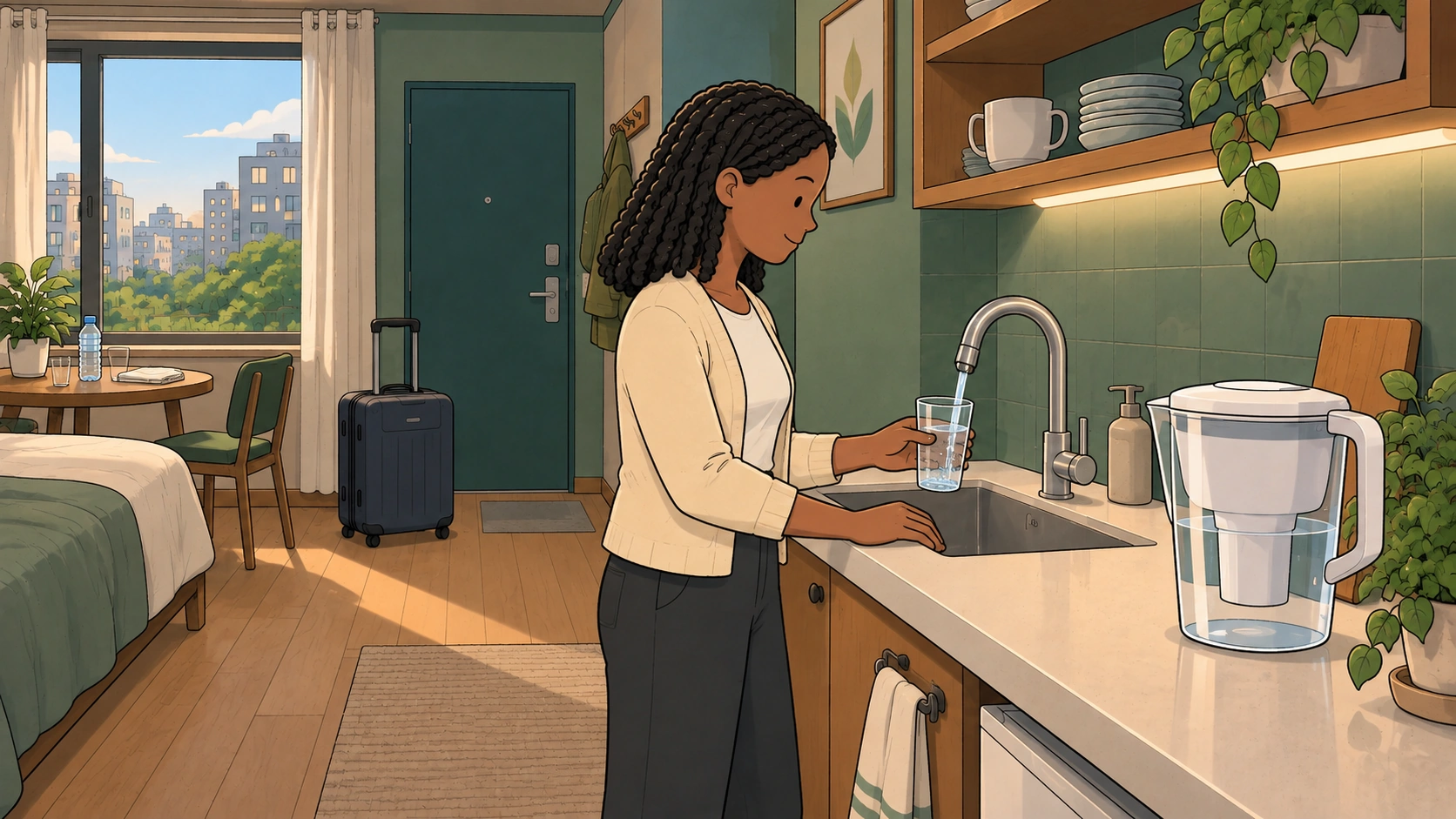
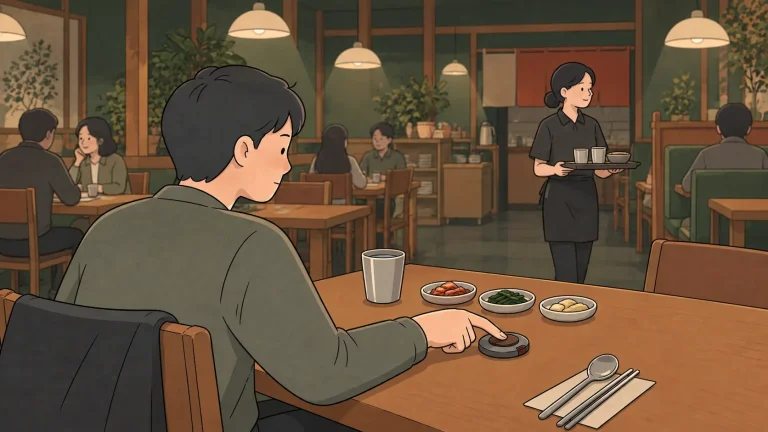
When I drink water at a restaurant, I do not stop to work out whether it is tap water, filtered water, or bottled water. I often see water purifiers at the restaurants I use. Even when there is no purifier in sight, I do not usually ask where the water came from before drinking it. I choose filtered water at home but behave this way when eating out.
That describes what I do, rather than how every restaurant supplies its water. If the type of water matters to you, ask a member of staff. Checking directly gives you a clearer answer than guessing where the restaurant’s water comes from.
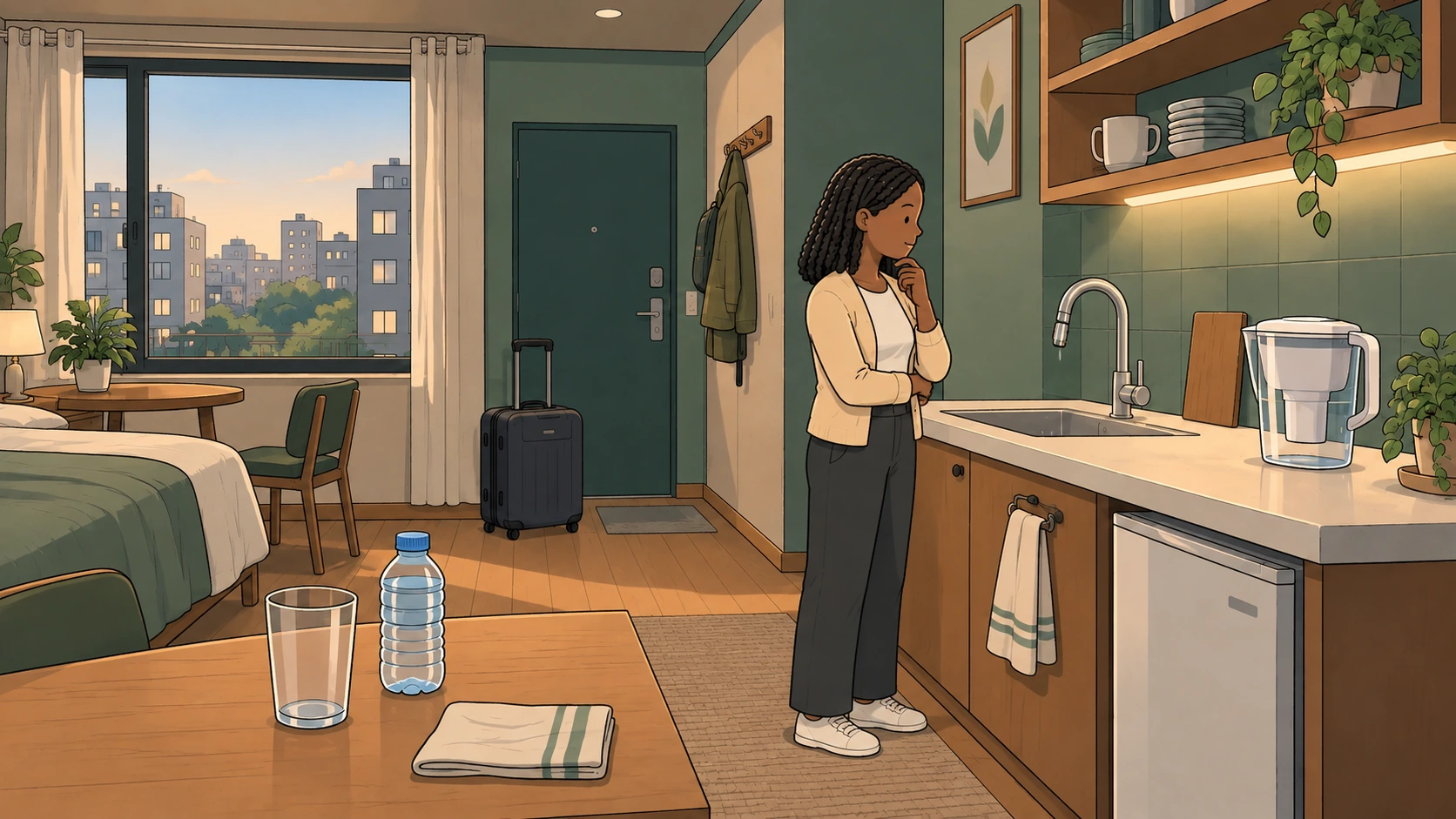
At your accommodation, start by checking what drinking water is provided. If there are bottles in the room, look at the accommodation’s information to see whether they are complimentary. If there is a shared purifier, ask whether you can get drinking water there. When neither is available, you can ask whether the tap water is suitable for drinking or buy bottled water at a convenience store.
One traveler reported receiving bottled water daily at their hotel. That person’s stay does not tell you what every hotel provides, however. Arrangements vary, so check the information for the place you booked when planning your water supply.
I do not think choosing bottled water needs much explanation, either. If you usually drink bottled or boiled water, continuing that habit may feel comfortable while traveling. Equally, if you have checked that the tap water is suitable and want to drink it, my use of a purifier is no reason to require you to choose something else.
Have your drinking water ready before going out
If someone asks me whether they can drink the tap water, I would like to check the official guidance with them. If they ask which water they should choose, I would say to pick the one they feel comfortable drinking. The purifier in my home and the tap at a traveler’s accommodation are different settings, too.
I drank boiled water as a child and drink filtered water today. There was no grand reason behind that change. A purifier is convenient in my home now, and I am used to drinking its water.
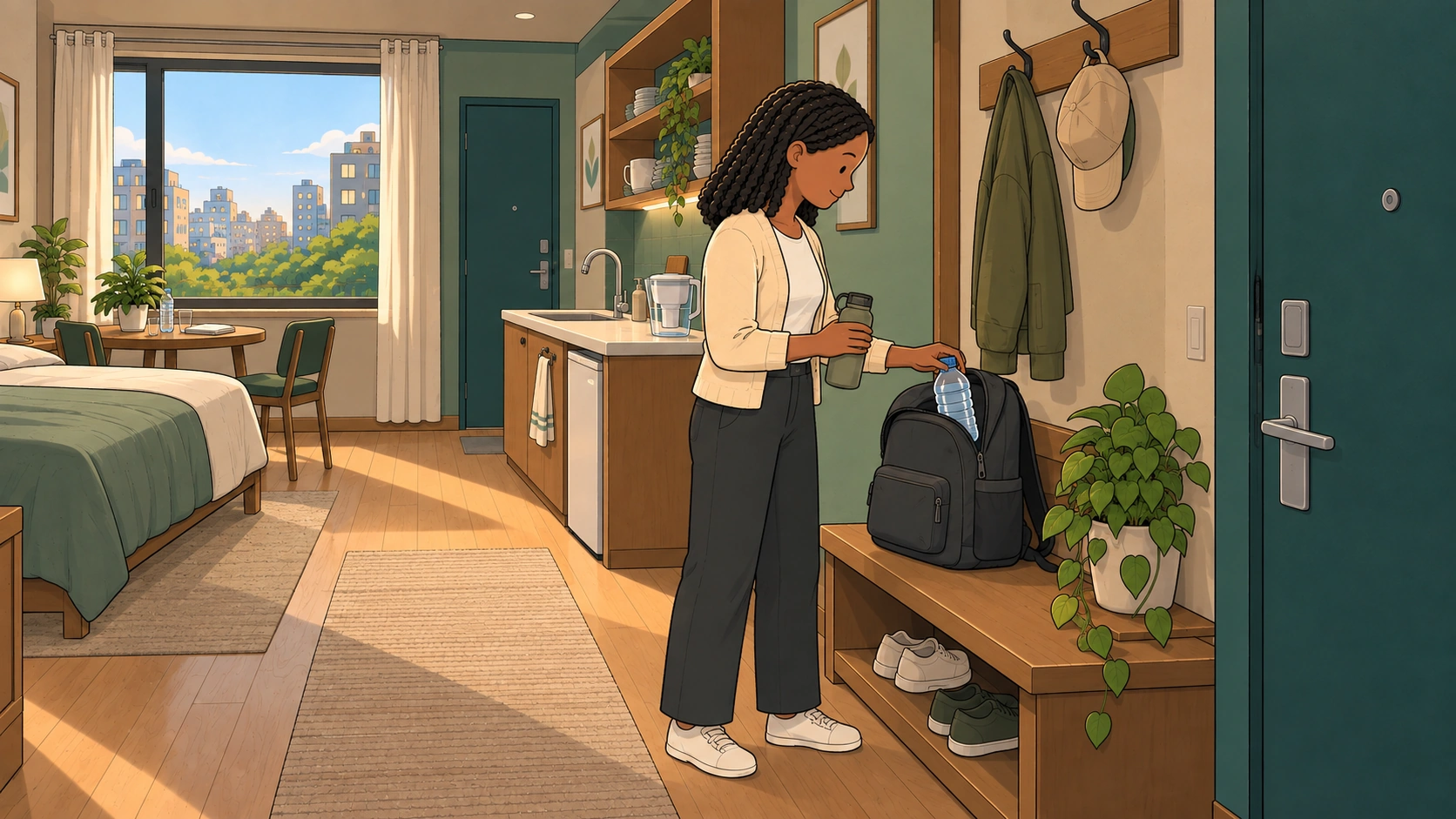
During your trip, prepare enough drinking water to last until you can get more. You can fill a bottle with water you have confirmed is suitable at your accommodation, or buy bottled water at a convenience store. Seeing a Korean use a purifier need not leave you worrying about tap water throughout your trip. In my case, I use one because that way of drinking water has long been familiar.
Frequently Asked Questions
Can I drink tap water straight from the tap in Korea?
Seoul describes Arisu as tap water you can drink directly. Water systems and building pipes vary, so check your accommodation’s drinking-water guidance and notices from the local water provider.
Why use a water purifier if tap water is drinkable?
For me, it is a habit. We boiled water when I was a child, and today I drink filtered water because there is a purifier at home. My habit cannot explain every Korean’s reasons.
Do I have to buy bottled water at my accommodation?
You do not necessarily have to buy it. Check the water your accommodation provides, any available purifier, and whether the tap water is suitable for drinking before choosing. If bottled water feels more familiar and convenient, you can buy it at a convenience store.
Is all restaurant drinking water filtered?
I often see purifiers at restaurants I use, but I cannot say every restaurant serves filtered water. I usually drink without distinguishing the source. If you want to know where it comes from, ask the staff.
How should I use the first tap water of the morning in Seoul?
Arisu’s official guidance recommends running the first water of the morning for about two to three minutes before using it. It also recommends letting the water run sufficiently after being away from home for several days.