Why Do Koreans Use Scissors for Food? The Habit Explained
Confused by scissors at Korean BBQ? A Korean explains why food scissors are faster, cleaner, and perfect for sharing — and what to do on your very first visit.
Explains cultural context viewers miss in K-dramas—indirect, emotional unspoken moments—revealing relationships, pressure, daily life, without stereotypes.
Confused by scissors at Korean BBQ? A Korean explains why food scissors are faster, cleaner, and perfect for sharing — and what to do on your very first visit.
Historical symbols in kdramas carry more weight than international viewers realize. One word, one crown, one tea ceremony — here’s why Korean viewers reacted so strongly, and why it was never just about small mistakes.
Curious about aegyo meaning? Real Korean cute behavior is nothing like what you see on idol shows. A Korean breaks down the difference — and why forced aegyo makes even Koreans cringe.
kdrama historical accuracy is not a minor detail in Korea. A single word in a coronation scene sparked a national controversy — and understanding why means understanding what Korean history has actually felt like.
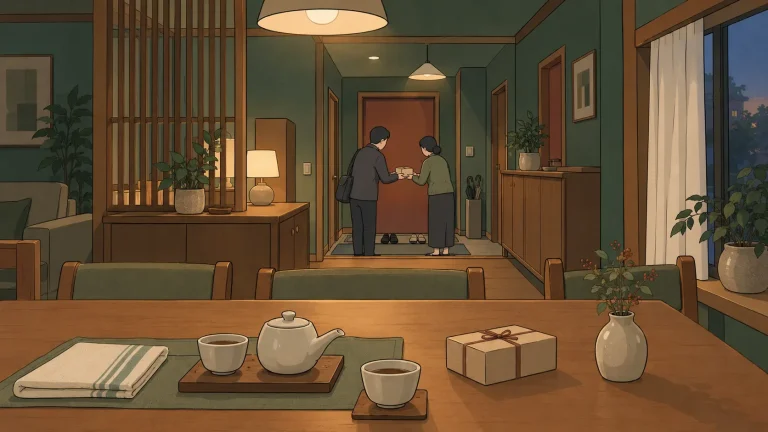
Discover the real ramyeon meaning in K-dramas. A Korean explains when “Do you want ramyeon?” means noodles — and when it means something else entirely.
“Service” means free in Korea. “One-piece” means a dress. Discover the real Konglish meaning — and why these words aren’t wrong English, just Korean with an English past.
Ever heard a Korean say “our wife”? Learn the real uri meaning and why Koreans use “our” instead of “my” — even for things that belong to just one person.
A Korean explains why two hands matter — and when they don’t. The real meaning behind korean etiquette for giving and receiving, from toddlers to office culture.
A Korean explains the real meaning behind korean drinking etiquette — two hands, turning away, and why pouring your own drink feels lonely. More than rules.
You’ve heard it in every K-Drama — but what does hwaiting actually mean? A Korean explains the real feeling behind this word, when to use it, and why “fighting” isn’t really about fighting at all.