Ajumma Meaning (and Ahjussi): Why These Words Can Sound Rude
The real ajumma meaning goes beyond “aunt,” and ahjussi isn’t simple either. Call the wrong person one and it can sting — here’s when each actually works.
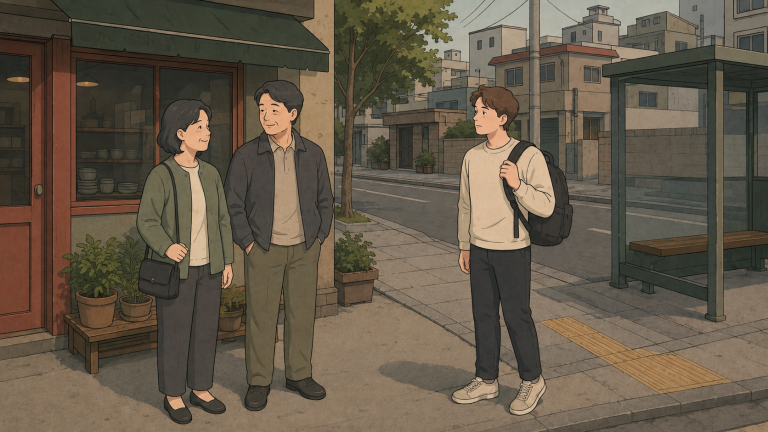
The real ajumma meaning goes beyond “aunt,” and ahjussi isn’t simple either. Call the wrong person one and it can sting — here’s when each actually works.
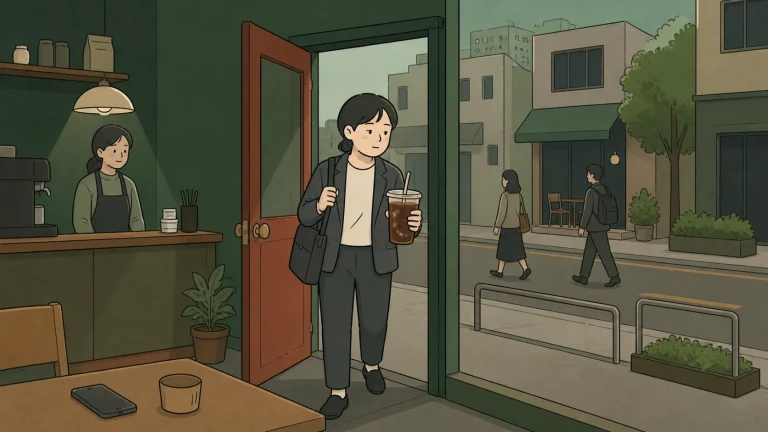
Korean cafe culture is not always about relaxing. A Korean explains takeaway coffee, cagongjok etiquette, kiosks, pagers, and workday caffeine.

Korean blood type personality once shaped everyday small talk. I explain what each type was said to mean and why MBTI often fills that role now.

Learn when tipping in Korea is unnecessary, how posted-price rules work, what to do with tip screens, and why a simple thank-you is usually enough.
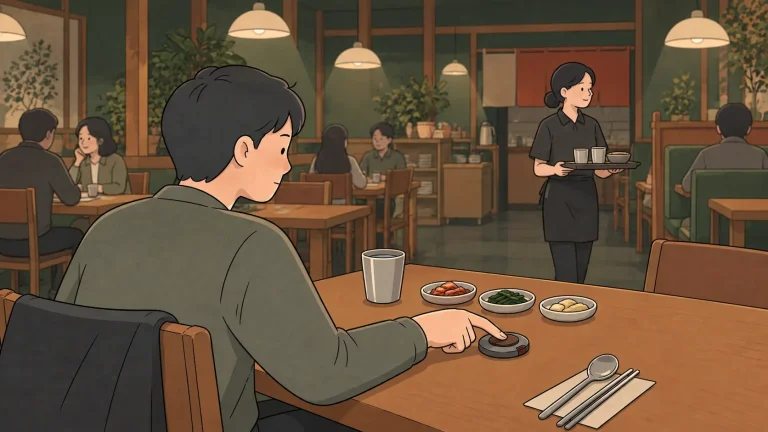
Learn when to press a Korean restaurant call button, what to say without one, when to call again, and how ordering and payment systems can vary.

Discover the aegyo meaning Koreans know in daily life, why K-pop versions look exaggerated, and how natural affection differs from forced cute behavior.

Korean etiquette uses two hands differently depending on the person and situation. A Korean explains how to receive, give, and handle the custom naturally.

What is nunchi? A Korean explains how tone, silence, hierarchy, and expressions like “dwaesseoyo” guide what people understand and do next in Korea.